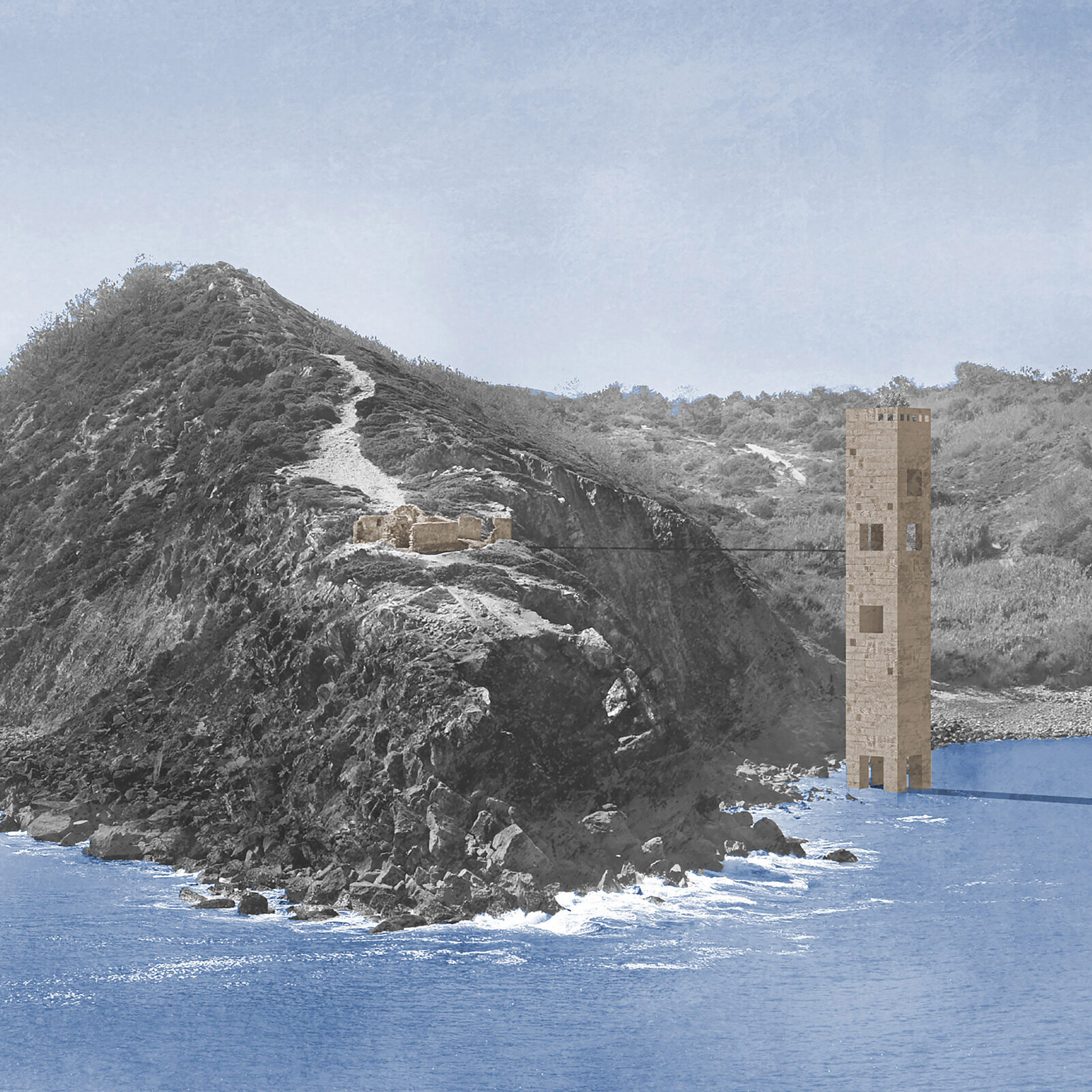
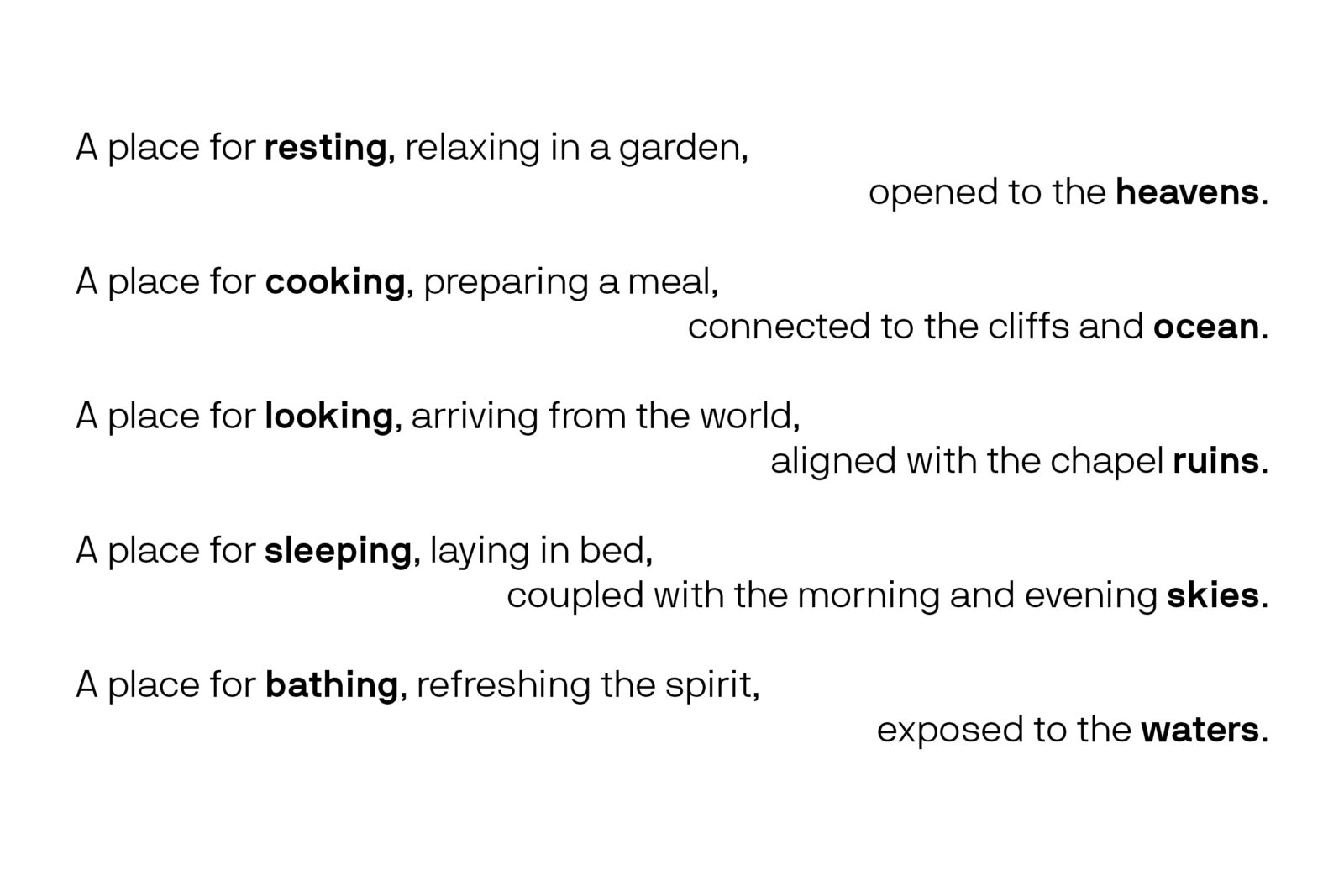
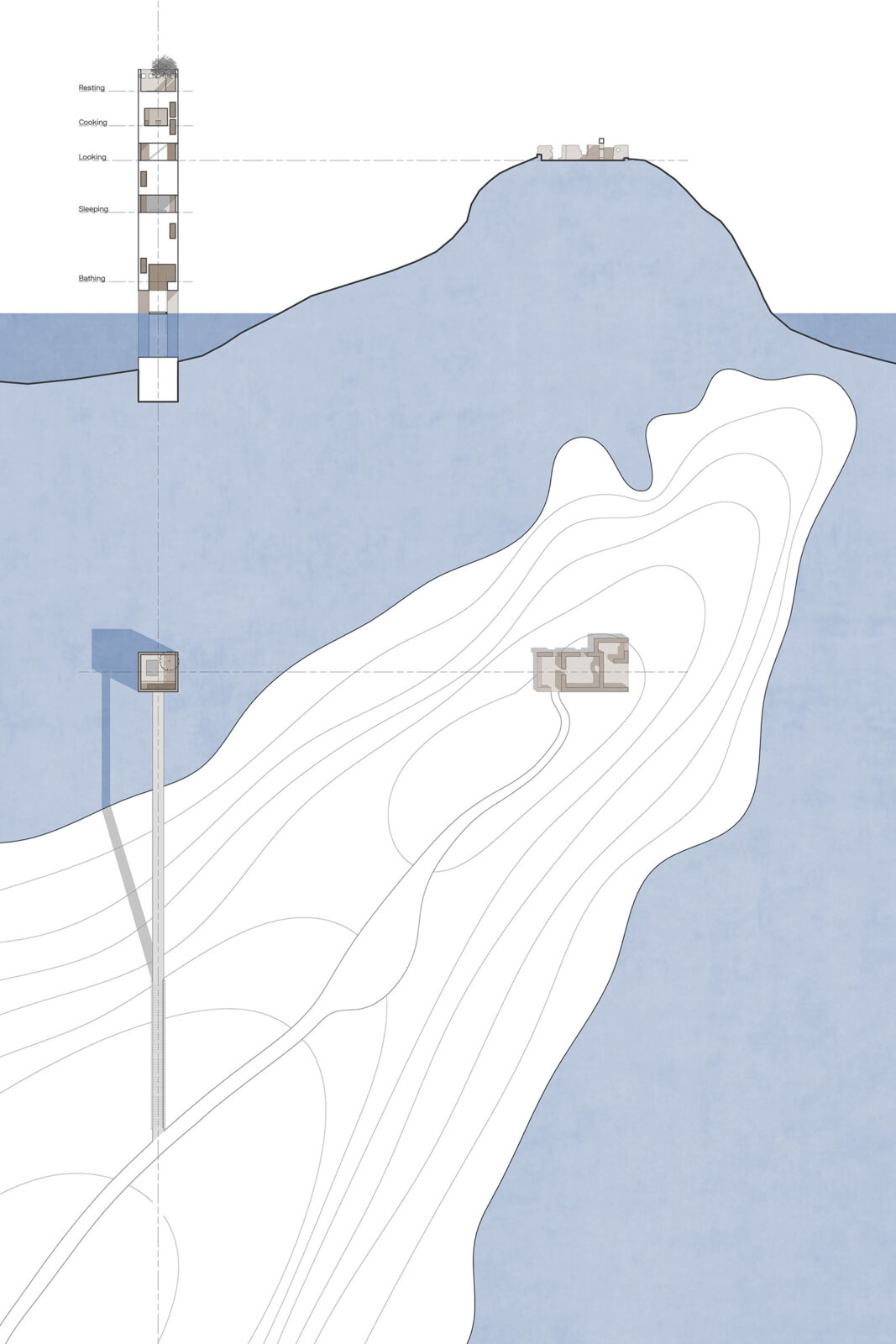
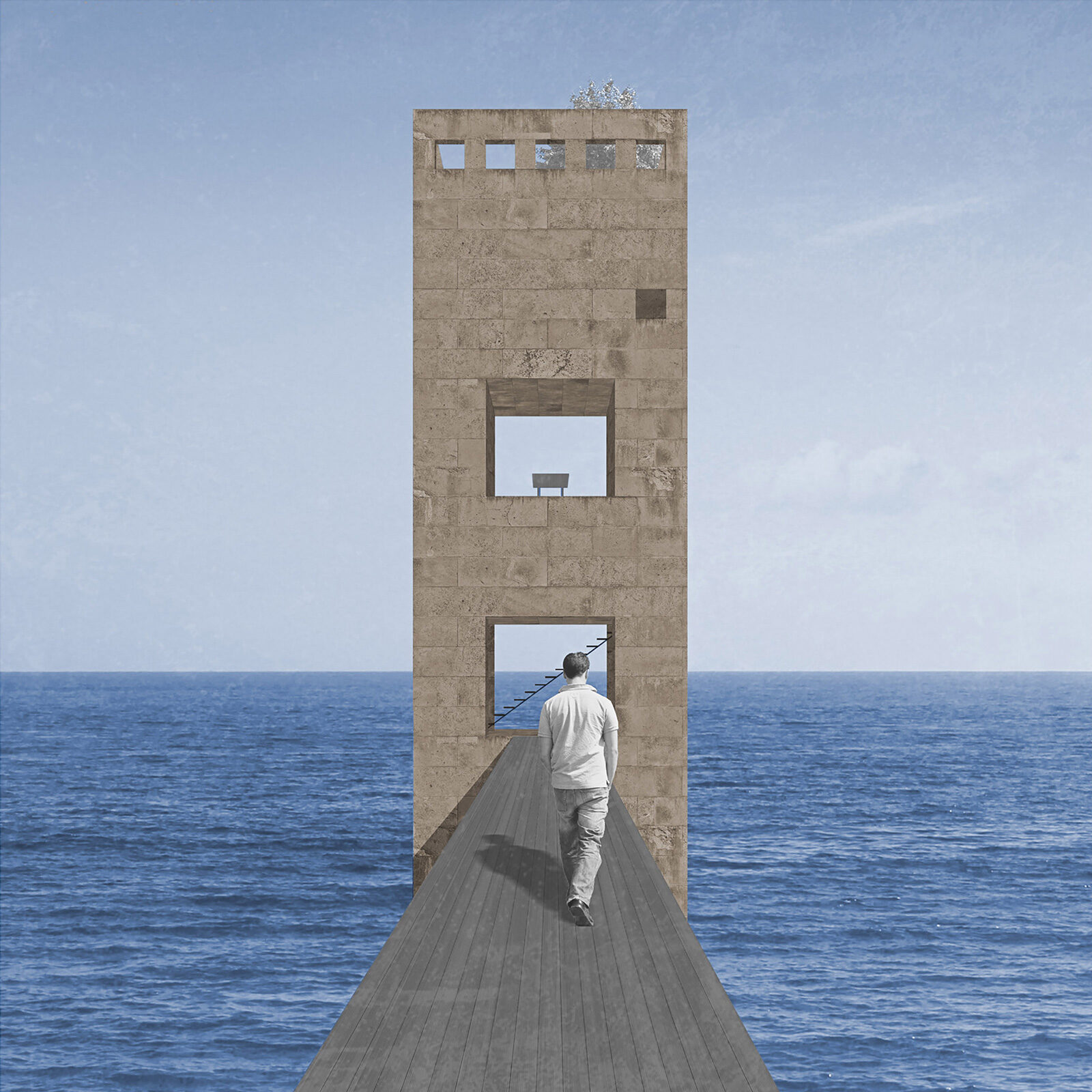
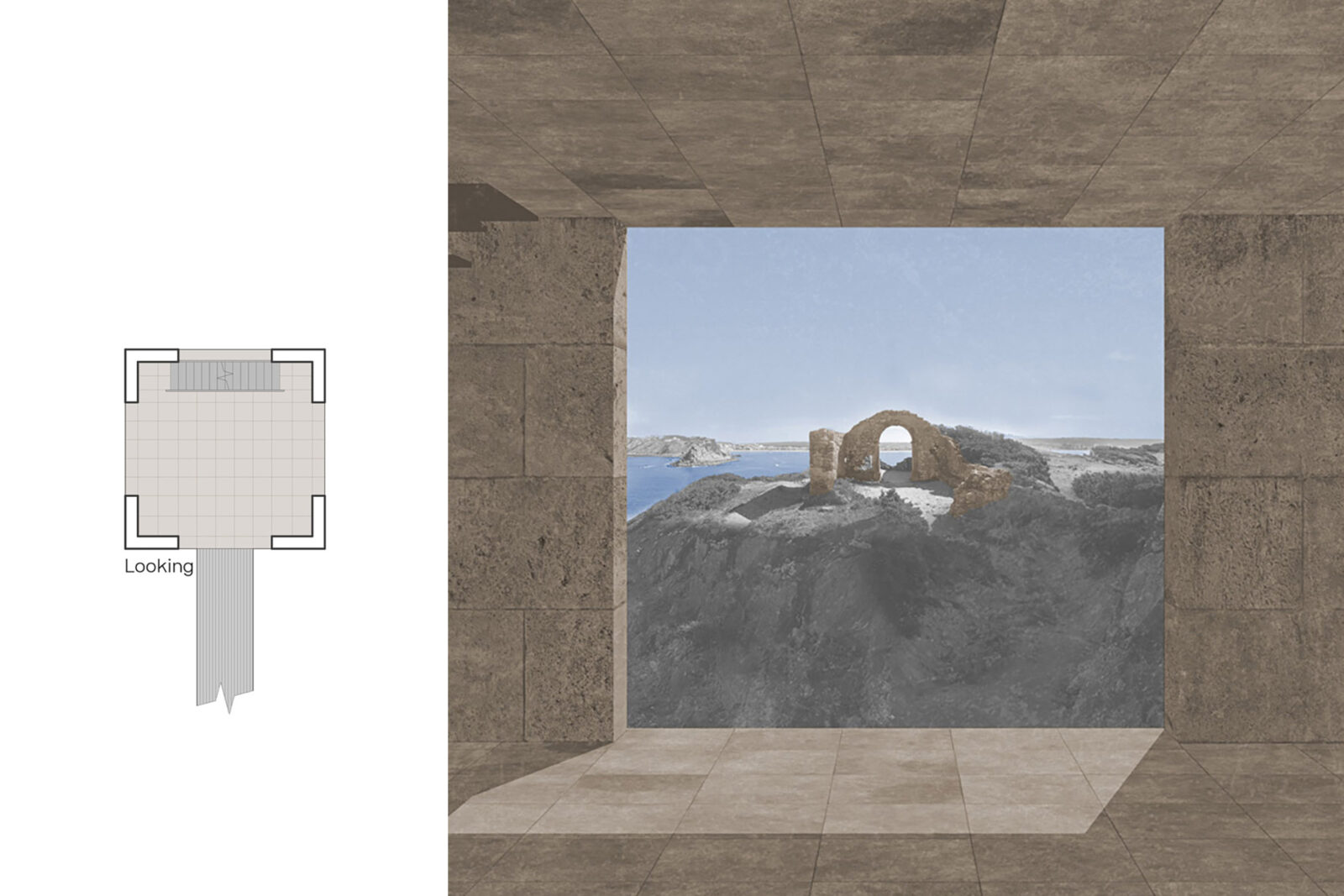
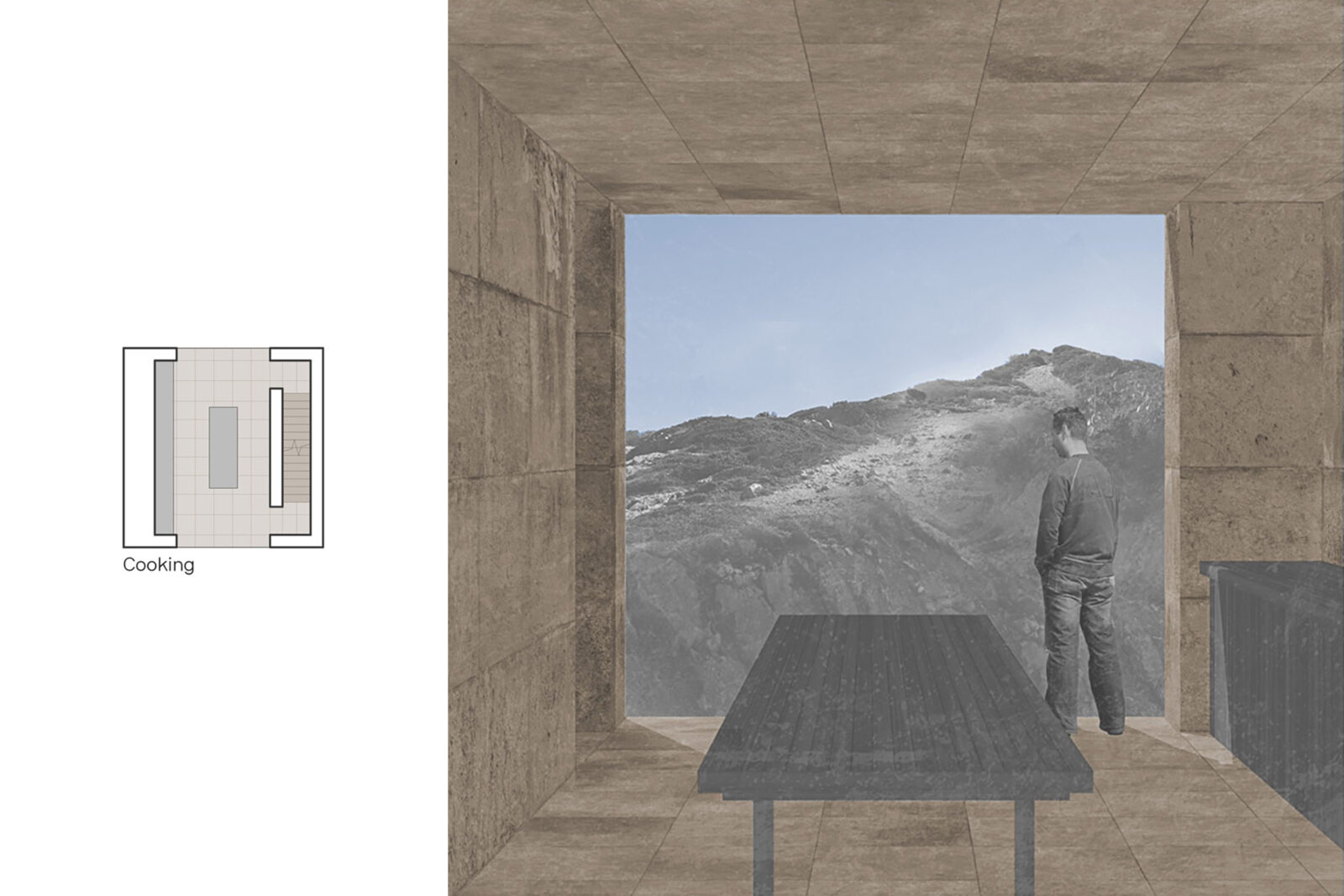
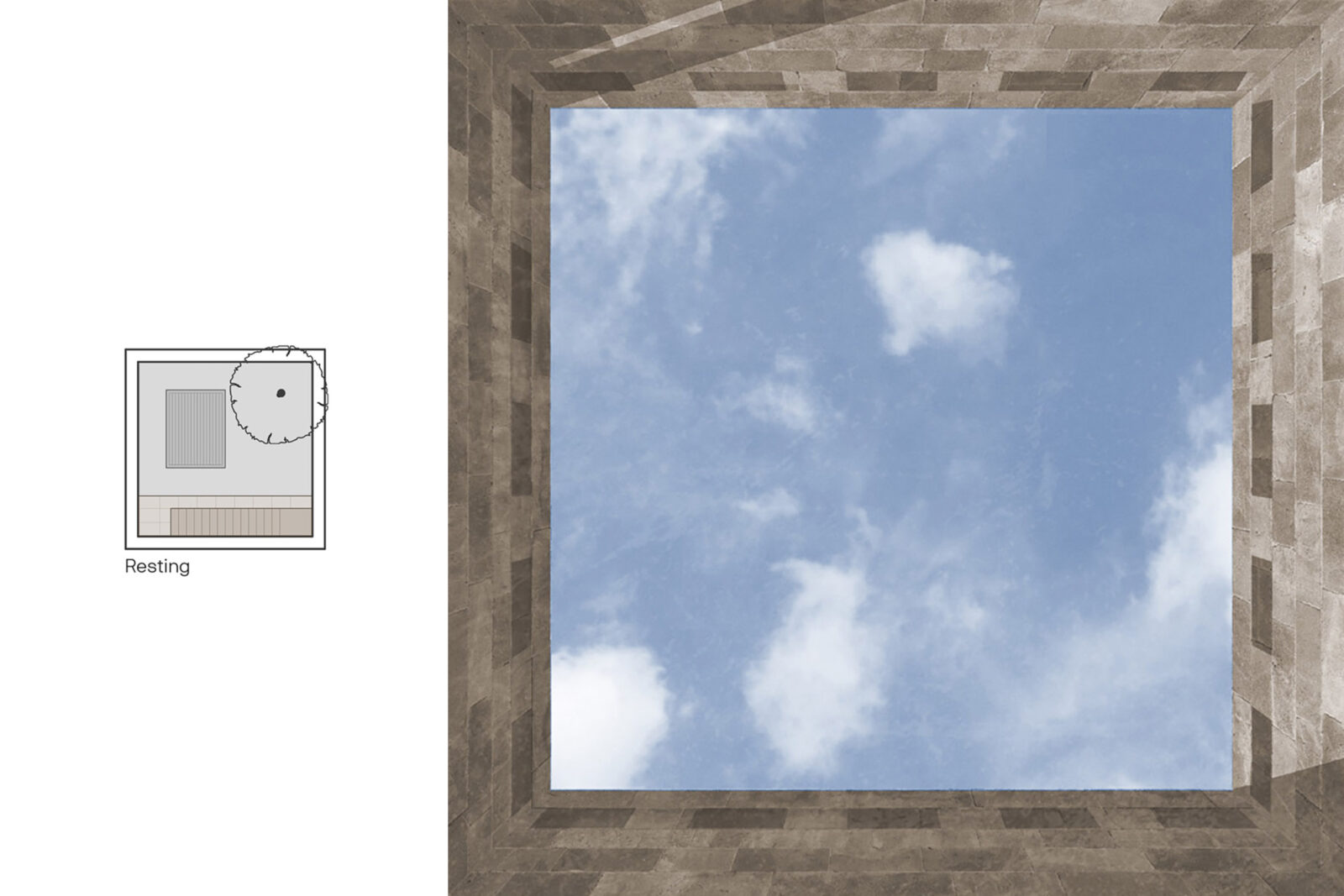
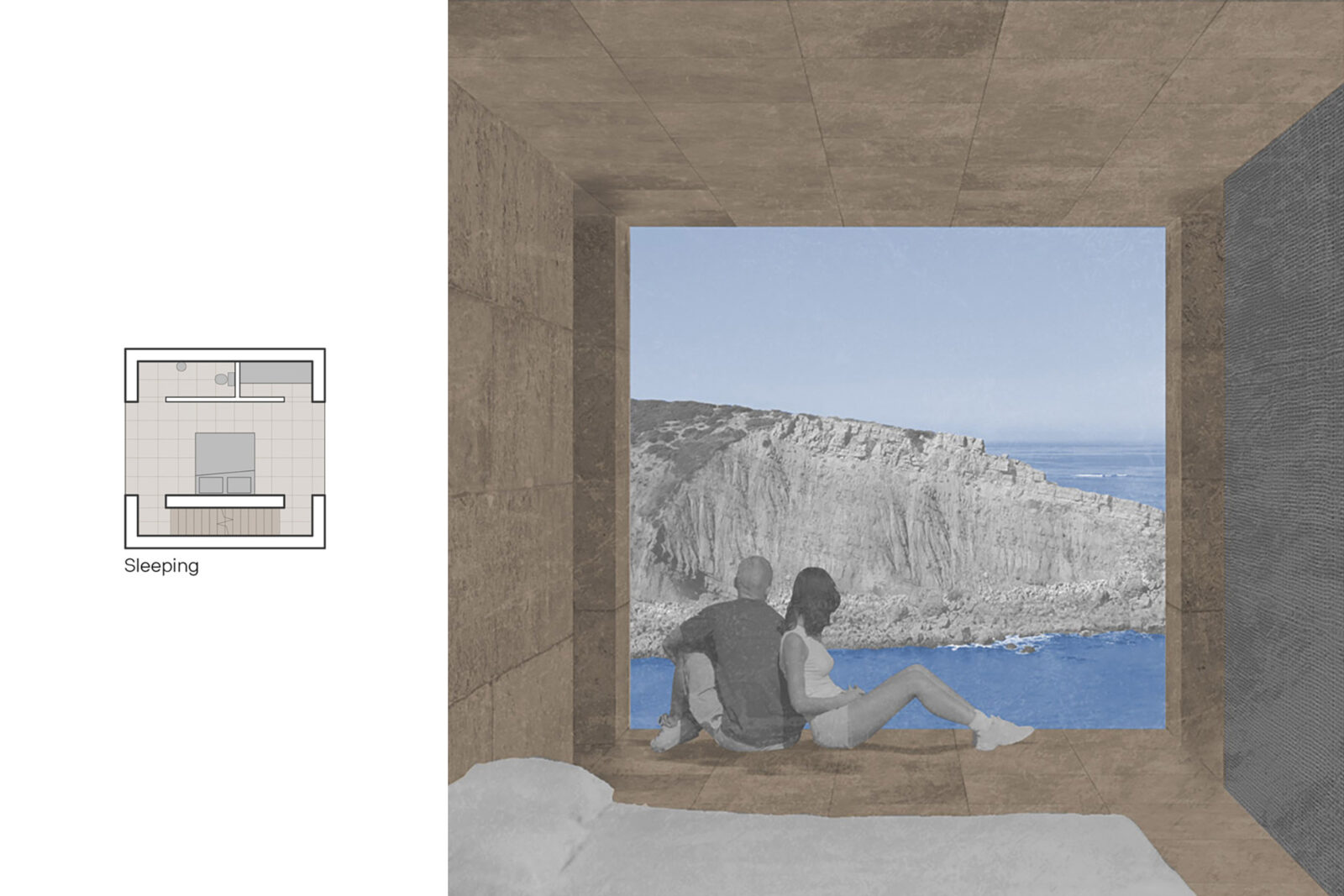
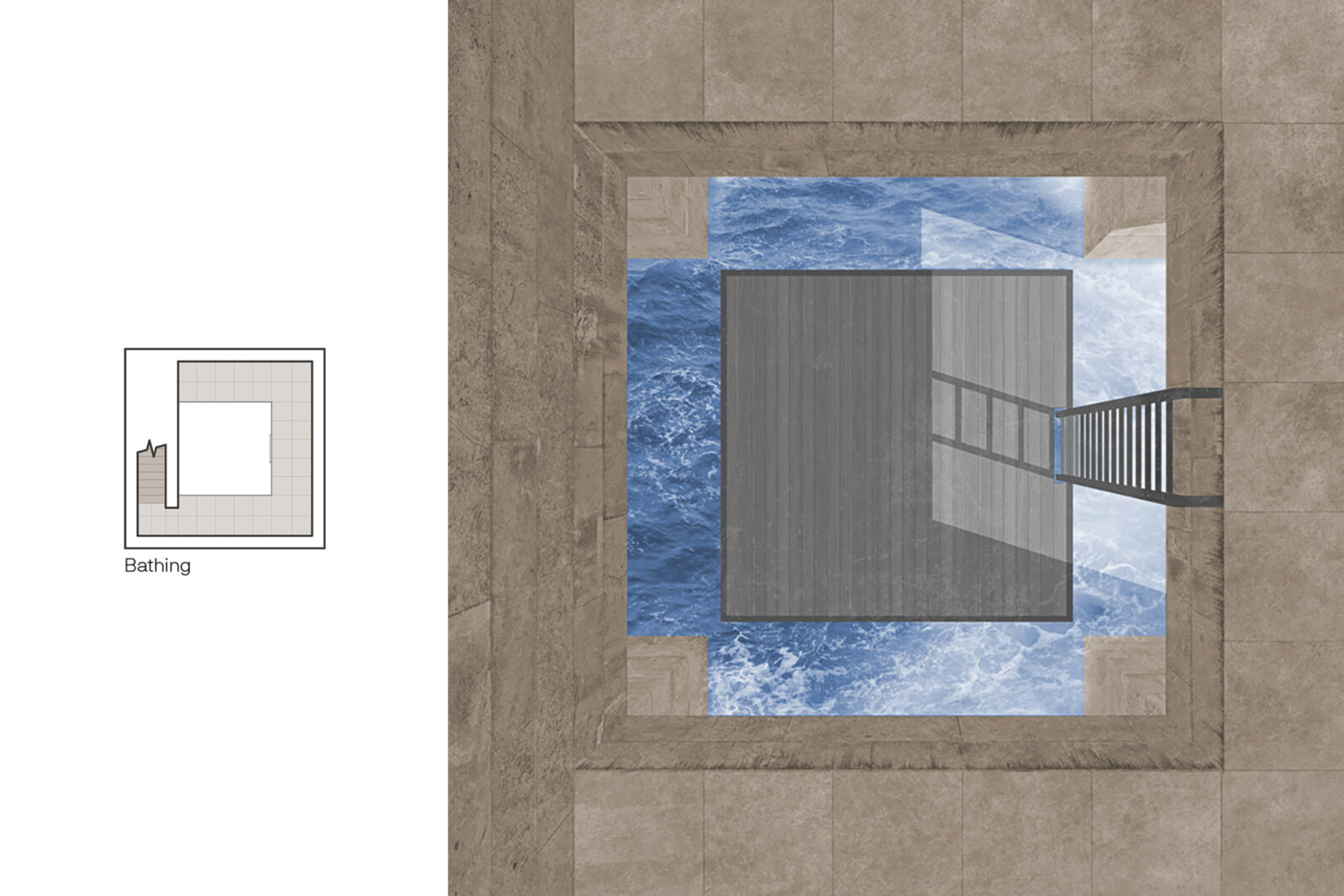
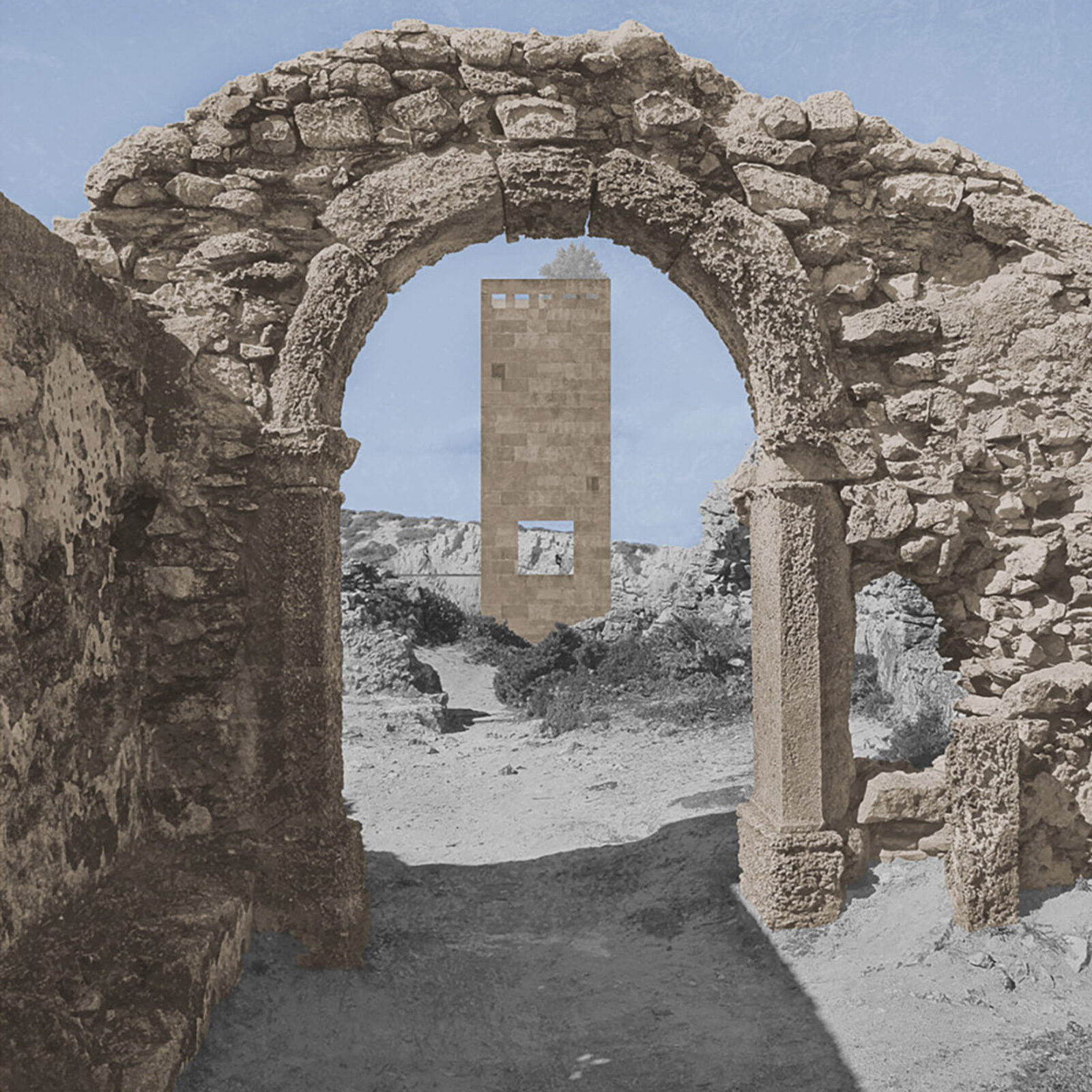
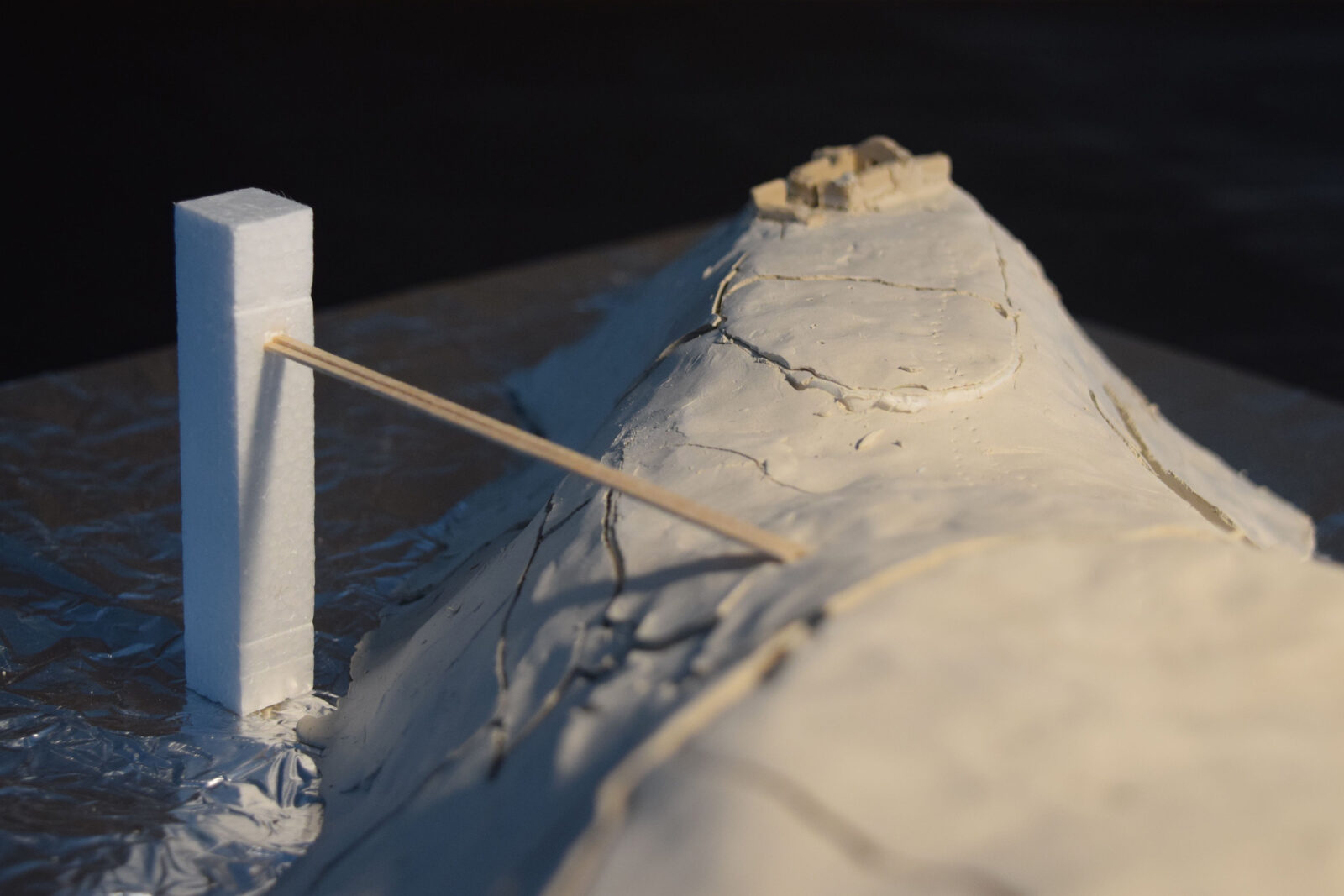
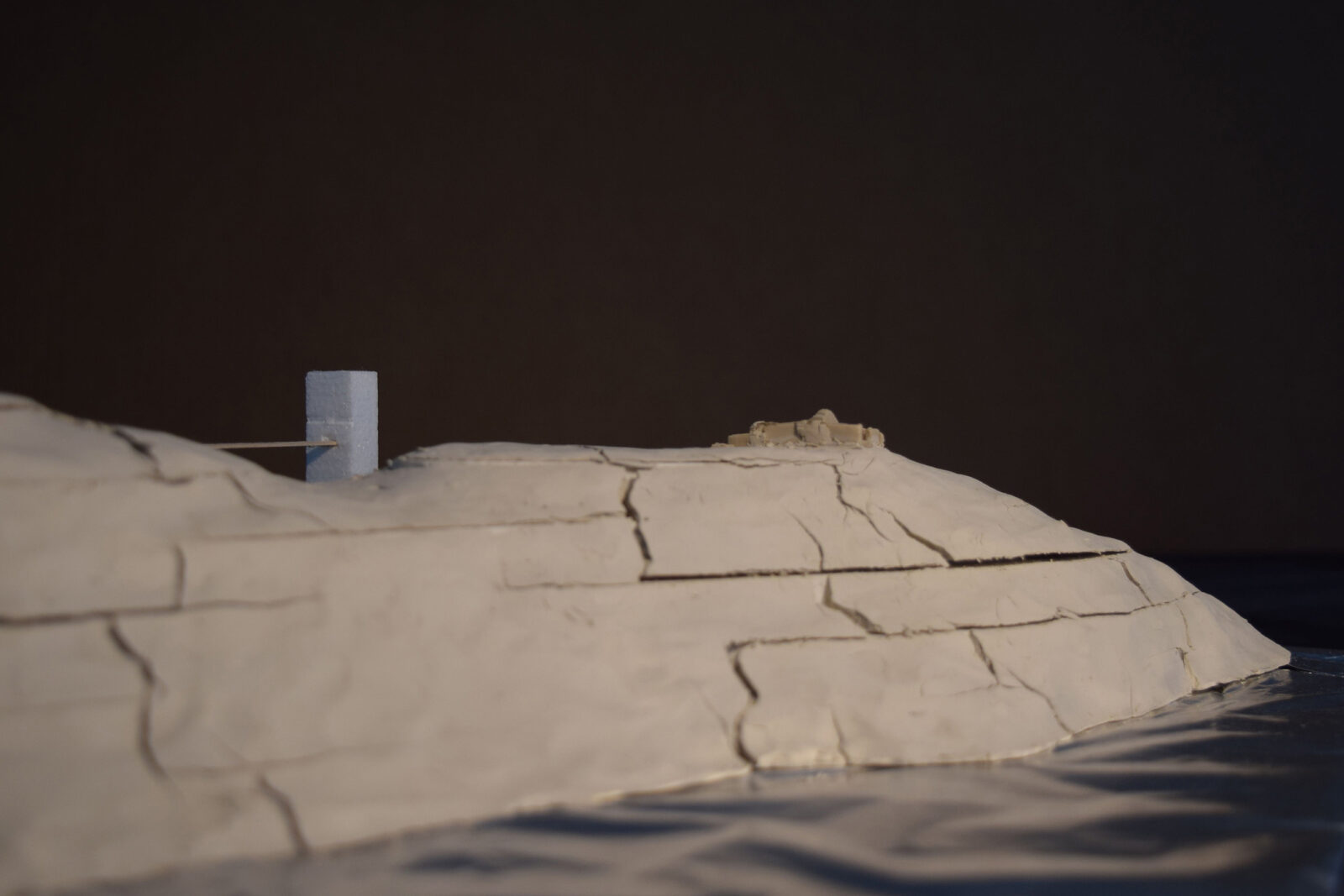
“The Site Dwelling, located on the cliff of the bay, in the village of Salir do Porto, aims to create a secluded destination, a place of retreat to engage with the landscape while providing shelter from the natural elements. This is a place to stay and inhabit for a few days, offering visitors a unique experience in a very special setting; visitors must leave the space as they found it, empty.”
Rivers Barden Architects was awarded an Honorable Mention from over 100 entries worldwide.
Explore

The Tree Farm Clubhouse
New Holland, South Carolina
Commercial
Located on an ideal site featuring sandy soils and rolling topography near Aiken, South Carolina, The Tree Farm Clubhouse seeks to bring to life a transcendent modern golf experience that respects, amplifies, and blends in with the natural landscape. In line with this vision, there will be no flashy buildings driven by a desire for luxurious experiences. Instead, the master plan and buildings for the project all work toward creating simple, thoughtful spaces that are rooted in and responsive to the place, climate, culture, and rich history of the game of golf.

Carlos Pozo
Architecture, Screen Printer, & Musician
Art and Design
In this episode our resident architects Joe Rivers and Kevin Barden visit with Carlos Pozo, a screen printer and musician who works in architecture. Carlos Pozo is an architectural associate from Houston, Texas. Though he spends his days working in an architecture firm, much of his free time is spent immersed in creative endeavors outside of architecture, namely screen printing and music. Kevin and Joe sat down with Carlos to discuss the influences behind his screen printing, his journey from music critic to musician, and taking action in creative pursuits.
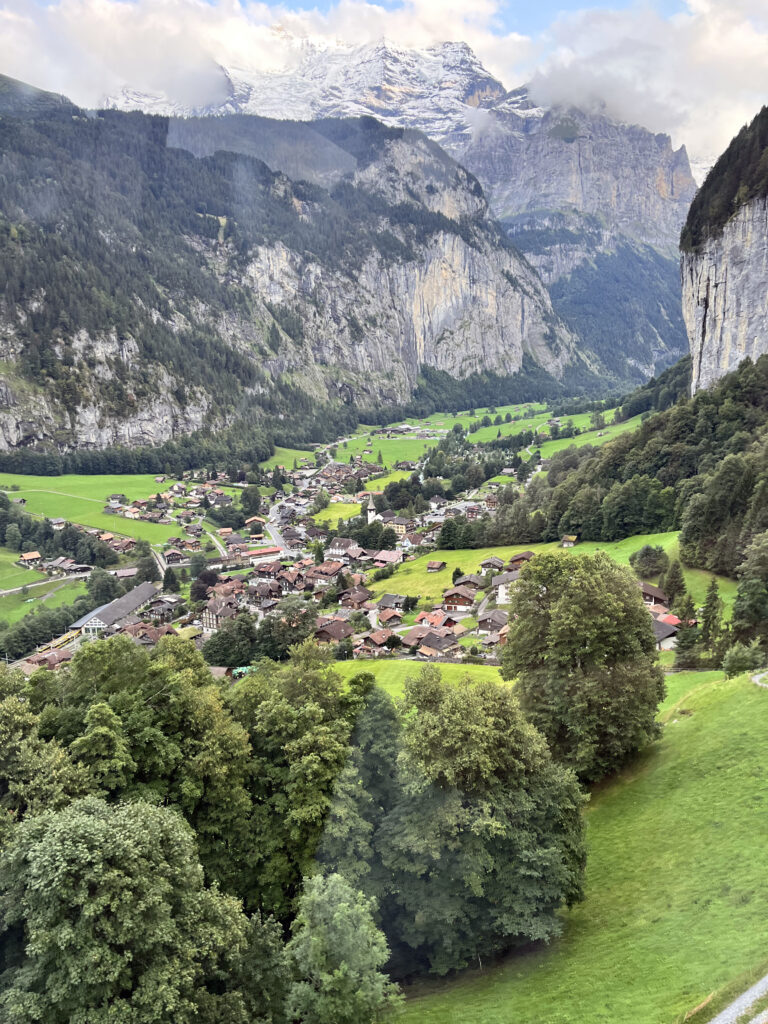
Staff Travel: The Swiss Chalet
Rafia Imran
Writing
In August of 2023, Rafia visited Switzerland for eight days. Her travels took her from sampling chocolates in Zurich to exploring the UNESCO city of Bern to hiking in the Swiss Alps. Here, she fell in love with not only the beautiful landscapes of the Bernese Oberland region, but also the elaborately decorated Swiss Chalet.