Champions Golf Pavilion

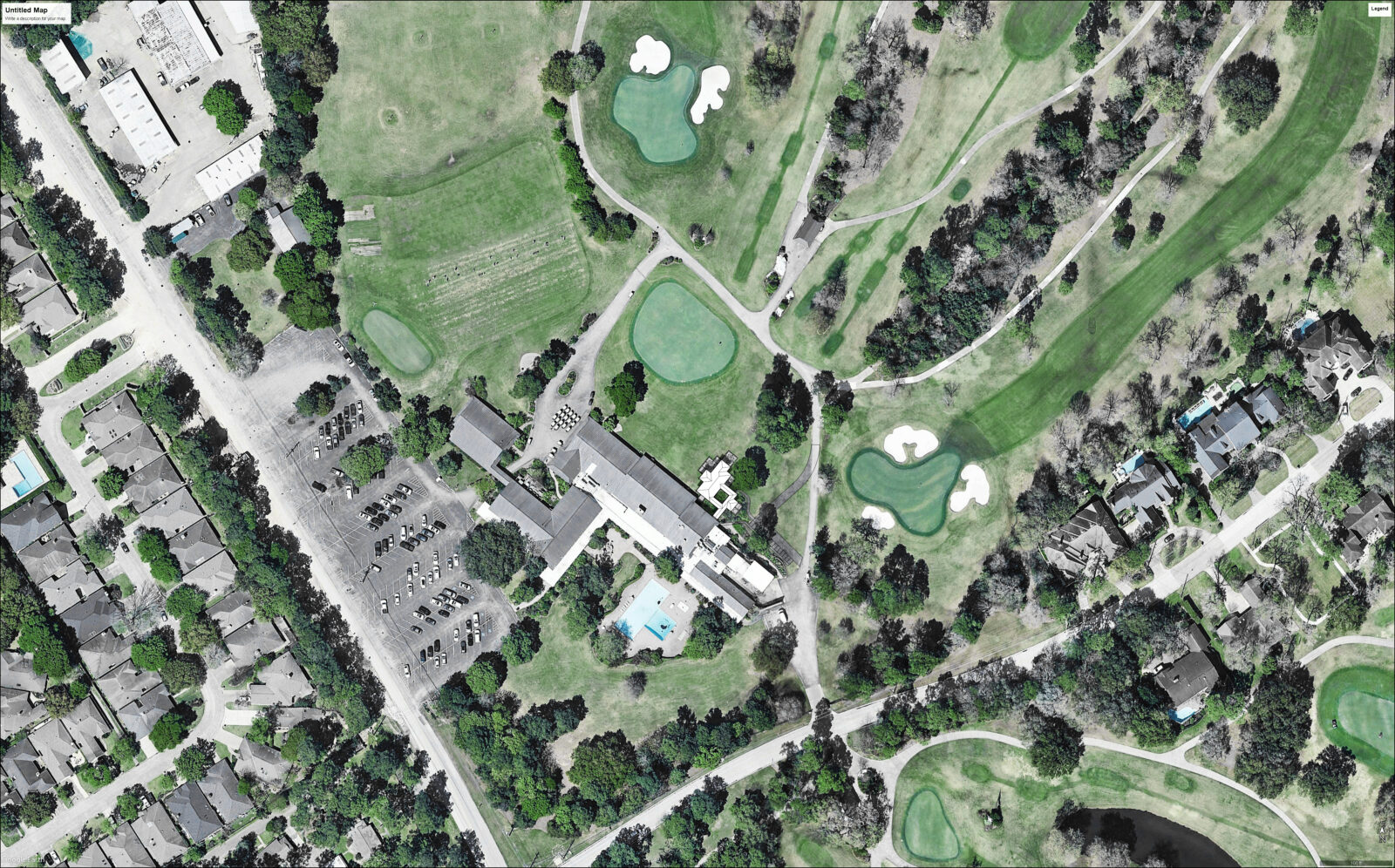
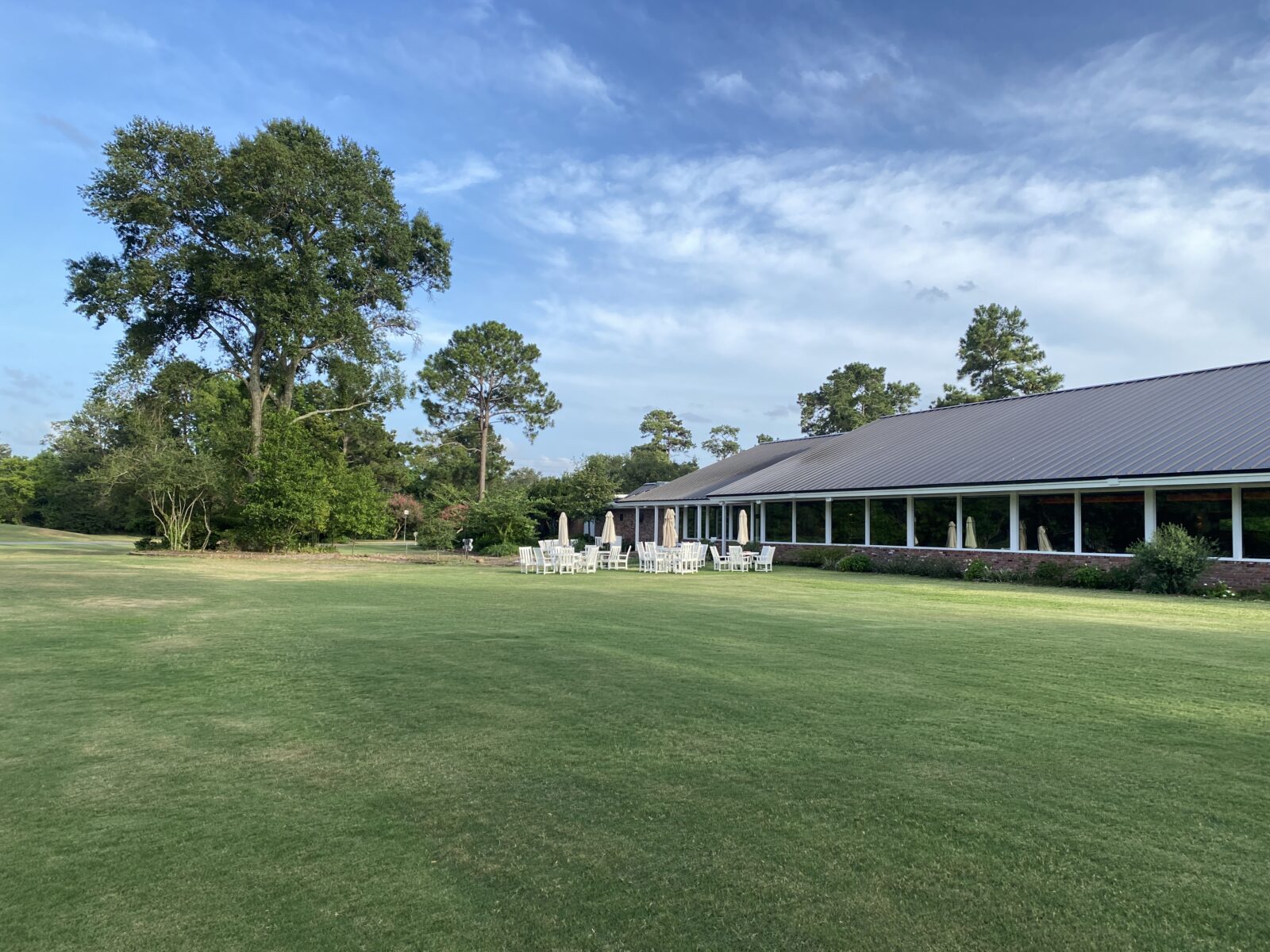
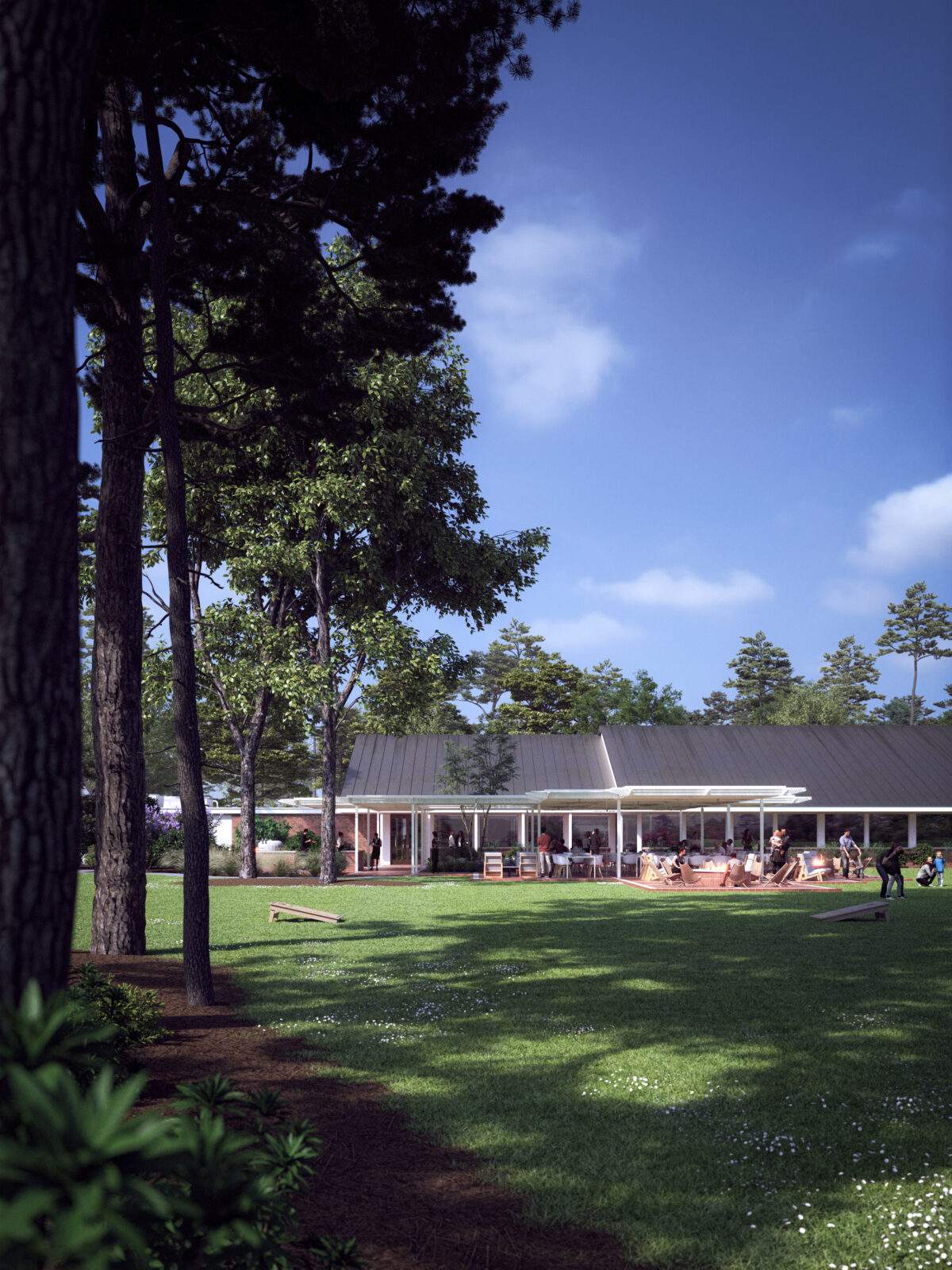
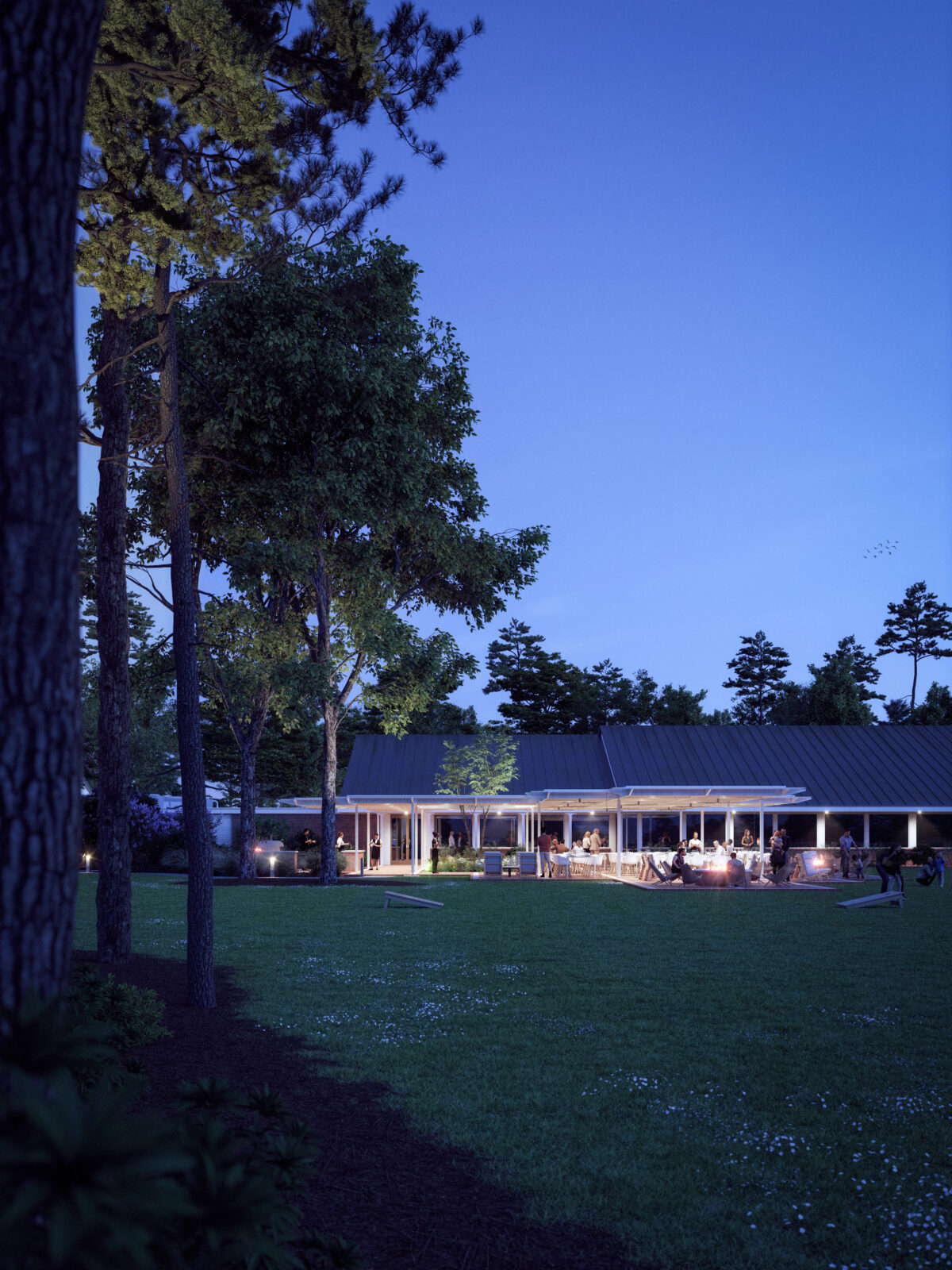
Located along the golf side of the existing clubhouse, the design respects and resonates with the existing architectural language on the property, while amplifying and adding to the experience of club.
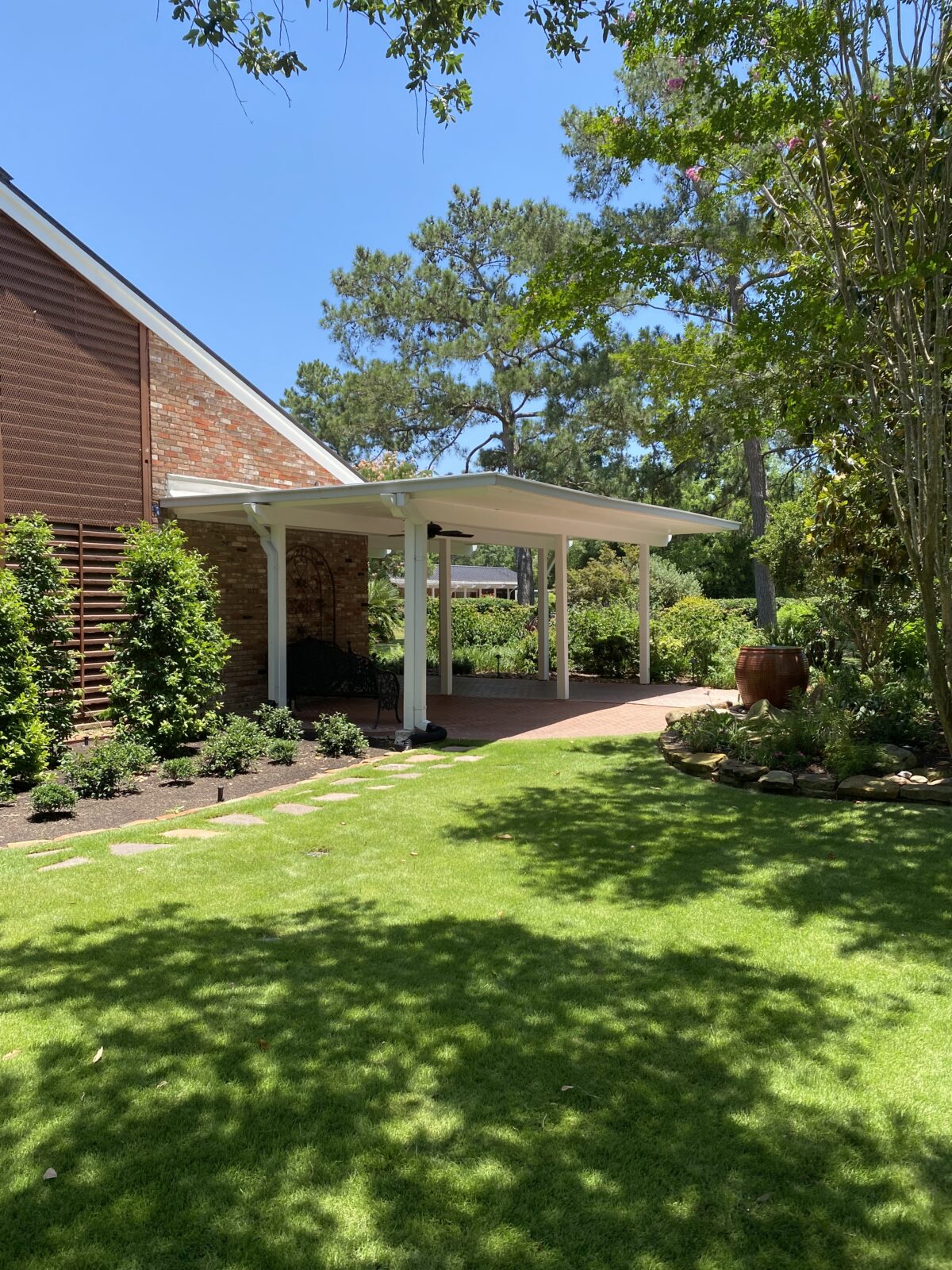
The project directly responds to the existing colonnades and outdoor walkways around the property instead of imposing a new “form” or “style” onto the clubhouse.
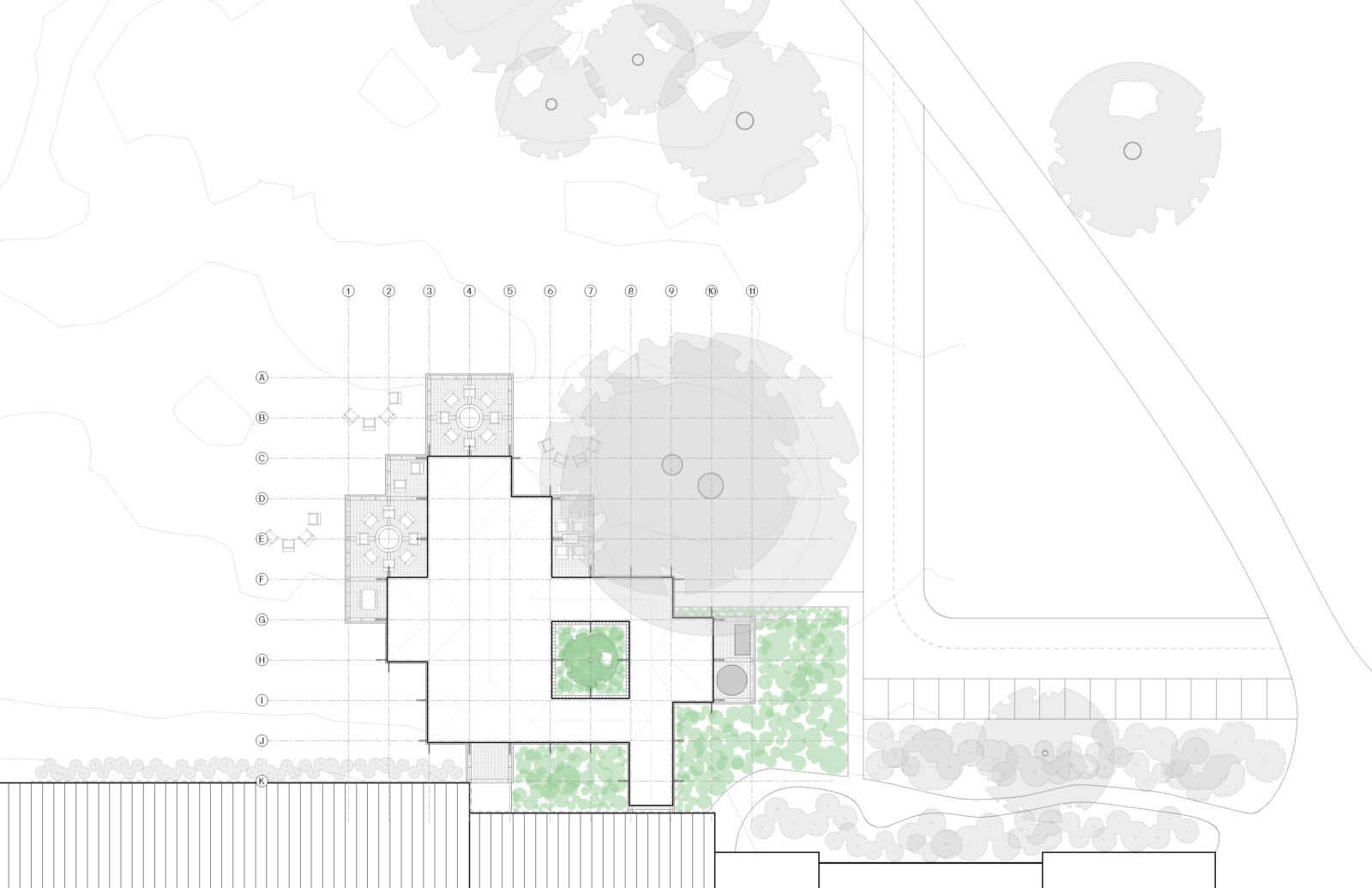
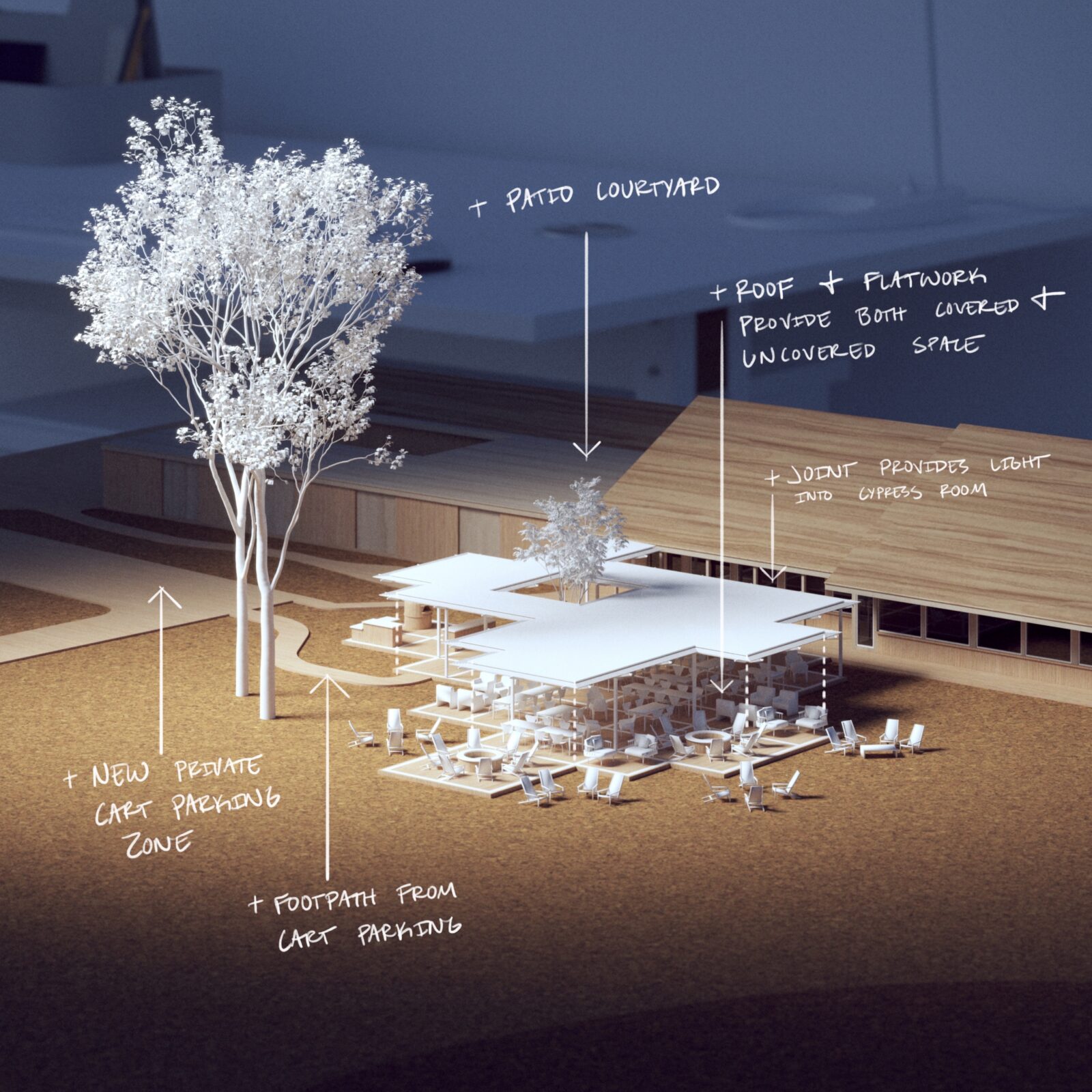
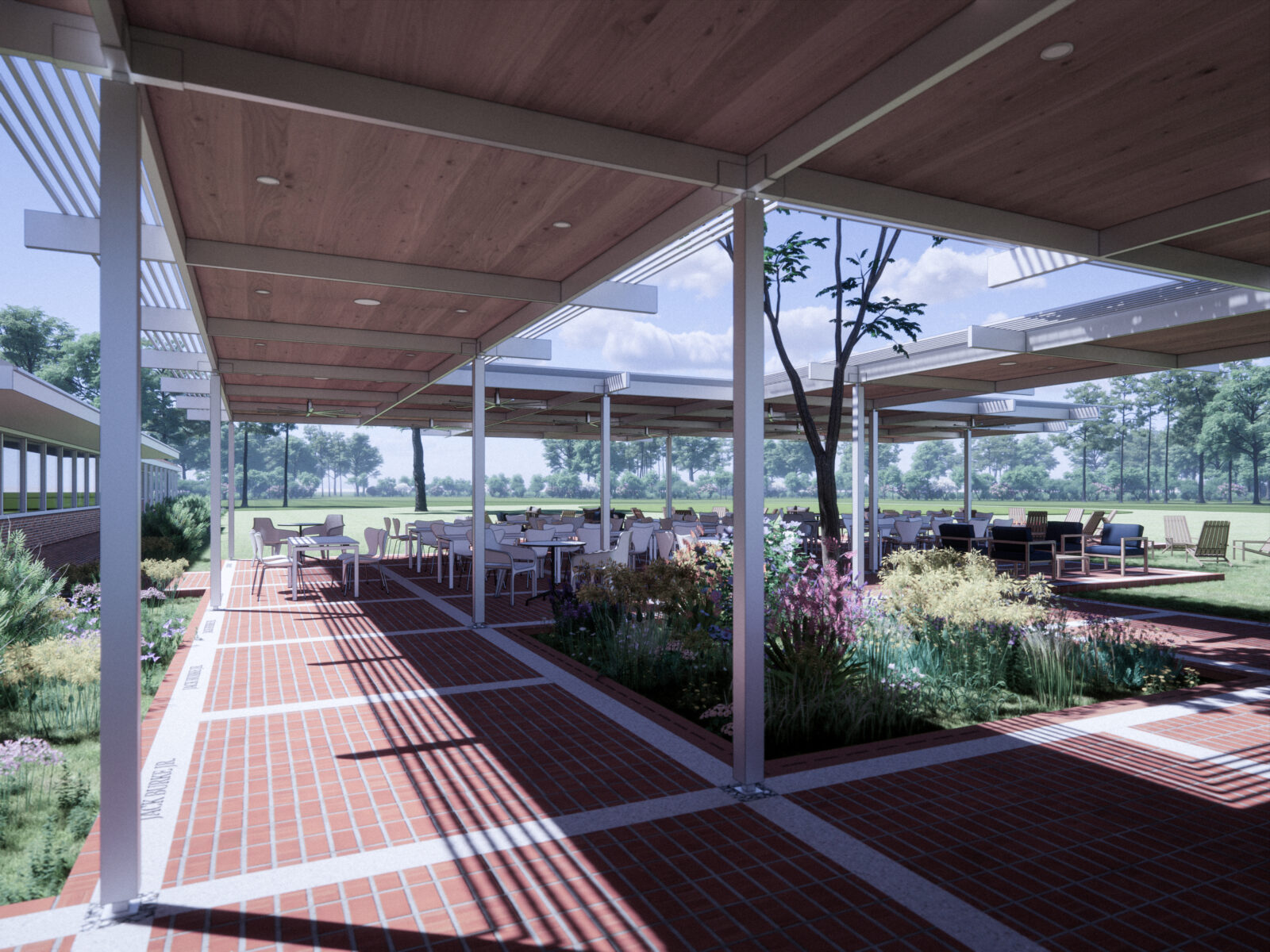
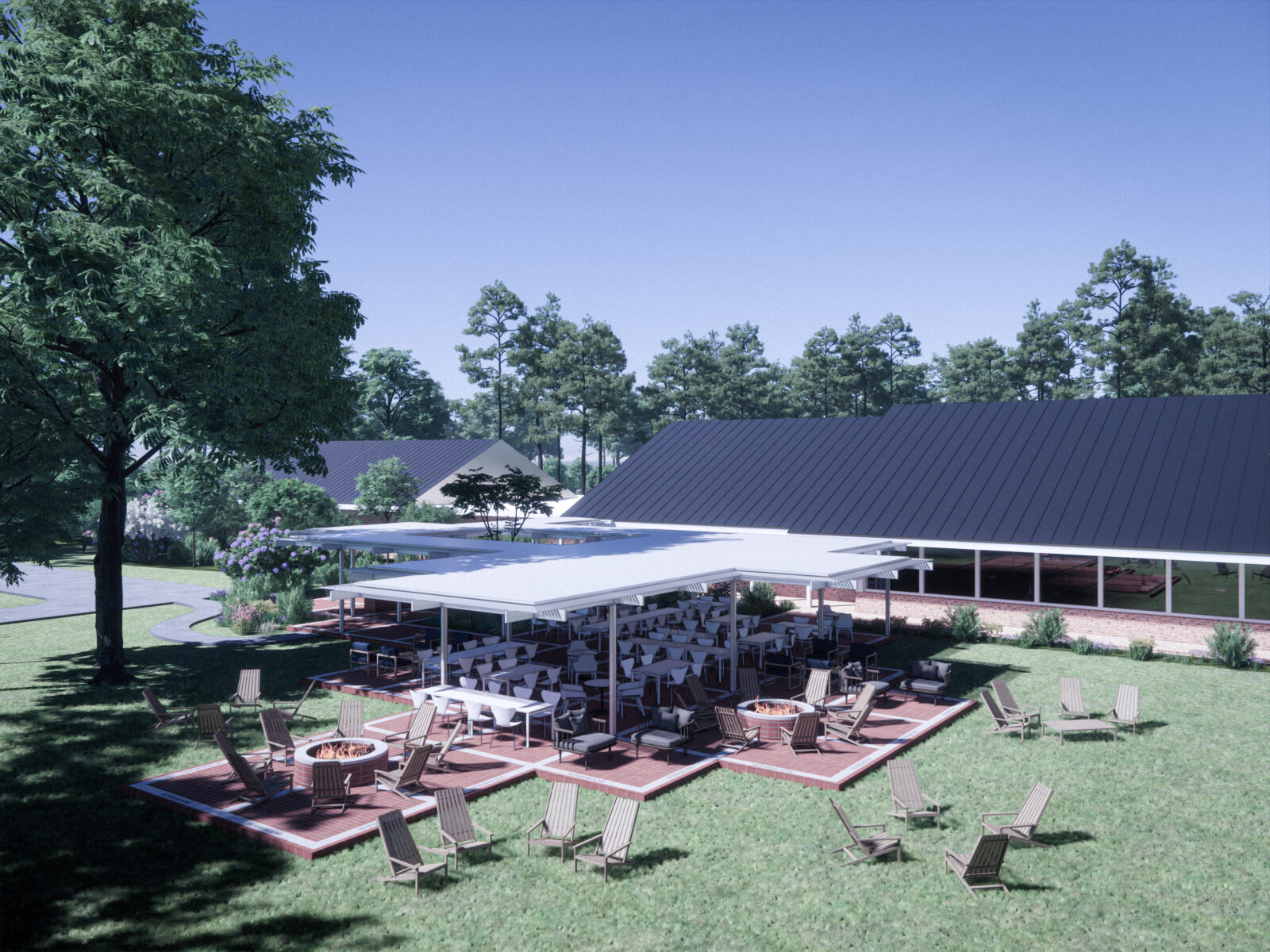
By extending this elegant, architectural language from the Cypress bar, the patio’s quiet presence feels as if it was always intended to be there. The design thoughtfully utilizes the shade from two large existing trees, while maintaining the views of the golf course from the main dining room.
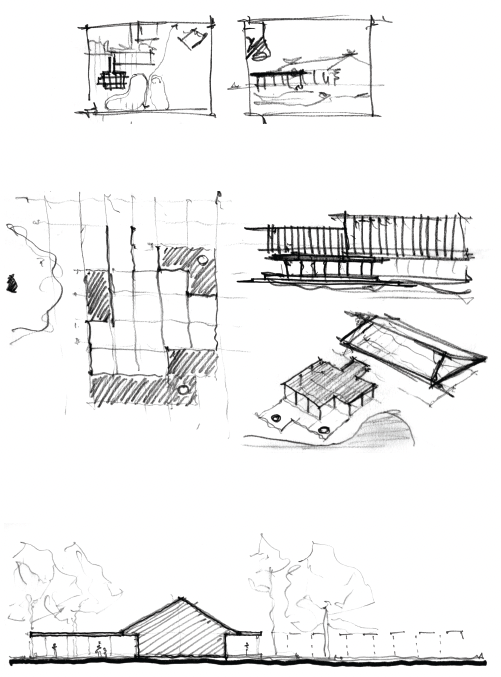
The structure employs an 8’ grid, matching the existing colonnades and facades. The brick pavers and roof both follow the grid, but they do not follow each other. The patio unfolds into the landscape organically and offers both covered and uncovered spaces to enjoy throughout different seasons and times of day.
Location
Houston, Texas
Collaboration
WAL studio
Design Team
Alex Warr, Joe Rivers, and Kevin Barden
Typology
Commercial
Date
2022- 2023
Structural and Civil Engineer
Sarab Engineering
General Contractor
Texana Builders
Photography
Leonid Furmansky


Process

Explore

Boulevard Oaks Addition
Houston, Texas
Residential
Listening to the language of the existing historic home, this addition of a new Garage Quarters, Outdoor Living, Pool, and Gardens blends seamlessly with the property’s original character while enhancing its functionality.
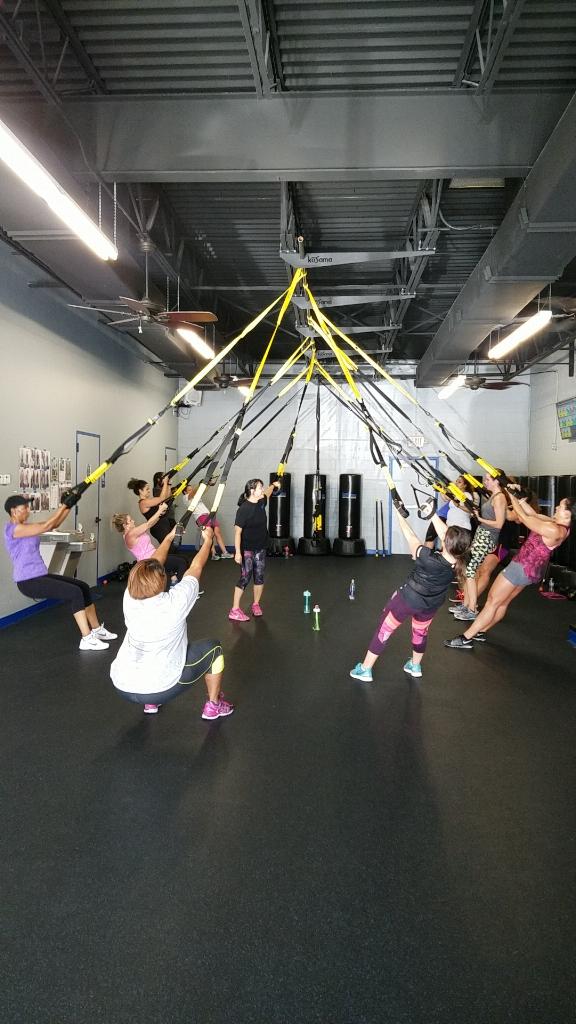
Michelle Haynes
Swing Dancer, Fitness Coach & Entrepreneur
Culture and Community
In this episode, our resident architects Joe Rivers and Kevin Barden visit with Michelle Haynes, a swing dancer, fitness instructor, and entrepreneur from Houston, Texas. Michelle Haynes is a veteran of the competitive swing dancing community, both in Houston and at the national level, and about two years ago turned her enthusiasm for dance, movement, and teaching into an entrepreneurial venture, opening a group fitness gym. Joe and Kevin sat down with Michelle to discuss her beginnings in swing dancing and how her passions evolved into her new business.

Staff Travel: La Alhambra Reflection
Rafia Imran
Writing
In the Fall of 2022, Rafia visited Spain for ten days. Her travels took her to Barcelona, Granada, Toledo, and Madrid. There were many moments that left a lasting impression on her (visiting La Sagrada Familia in Barcelona, taking a Paella cooking class, walking through maze-like alleys in Toledo and going on food tours in Madrid), but none left quite as strong of an impression as La Alhambra.