Timbergrove Renovation
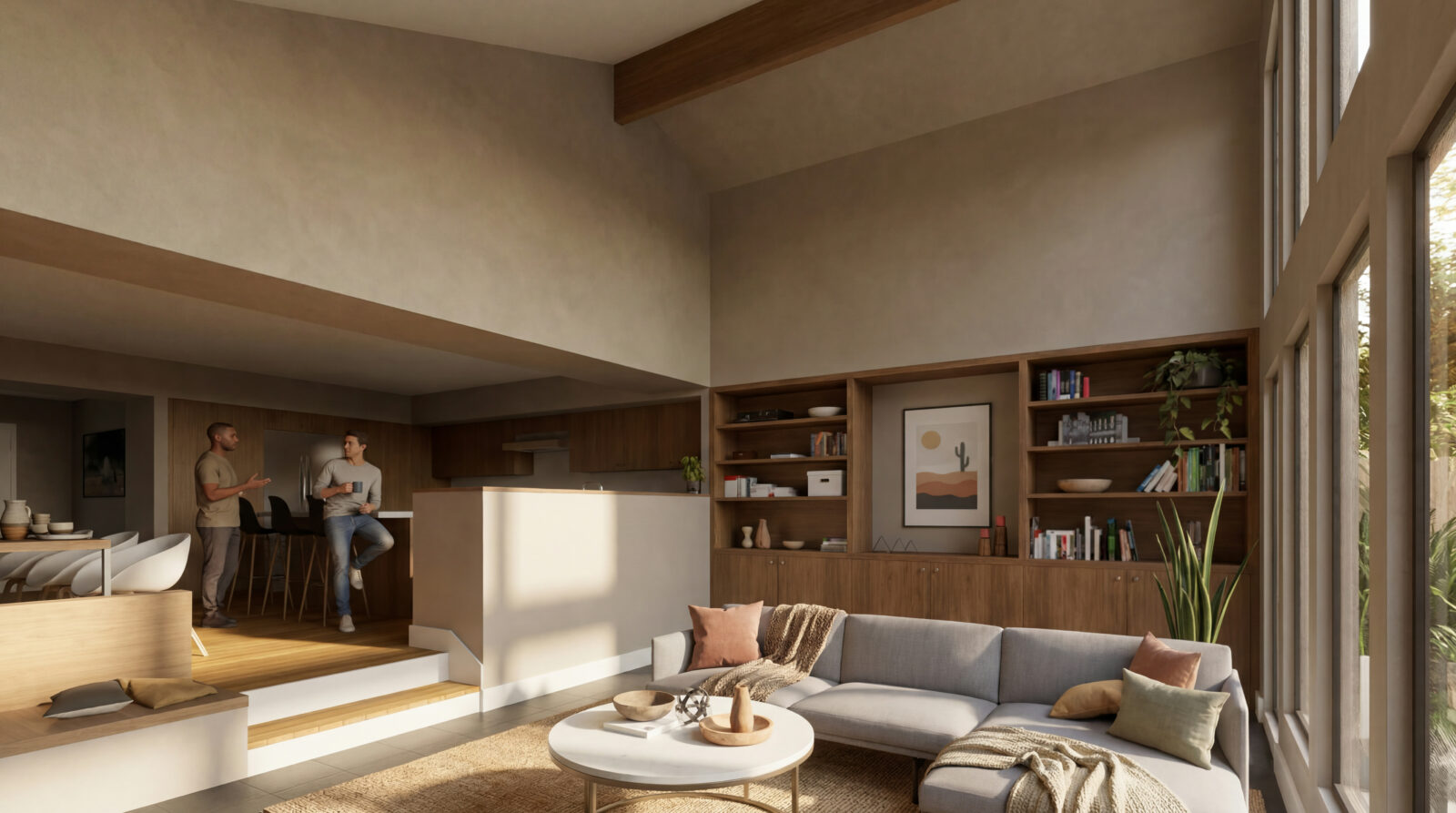
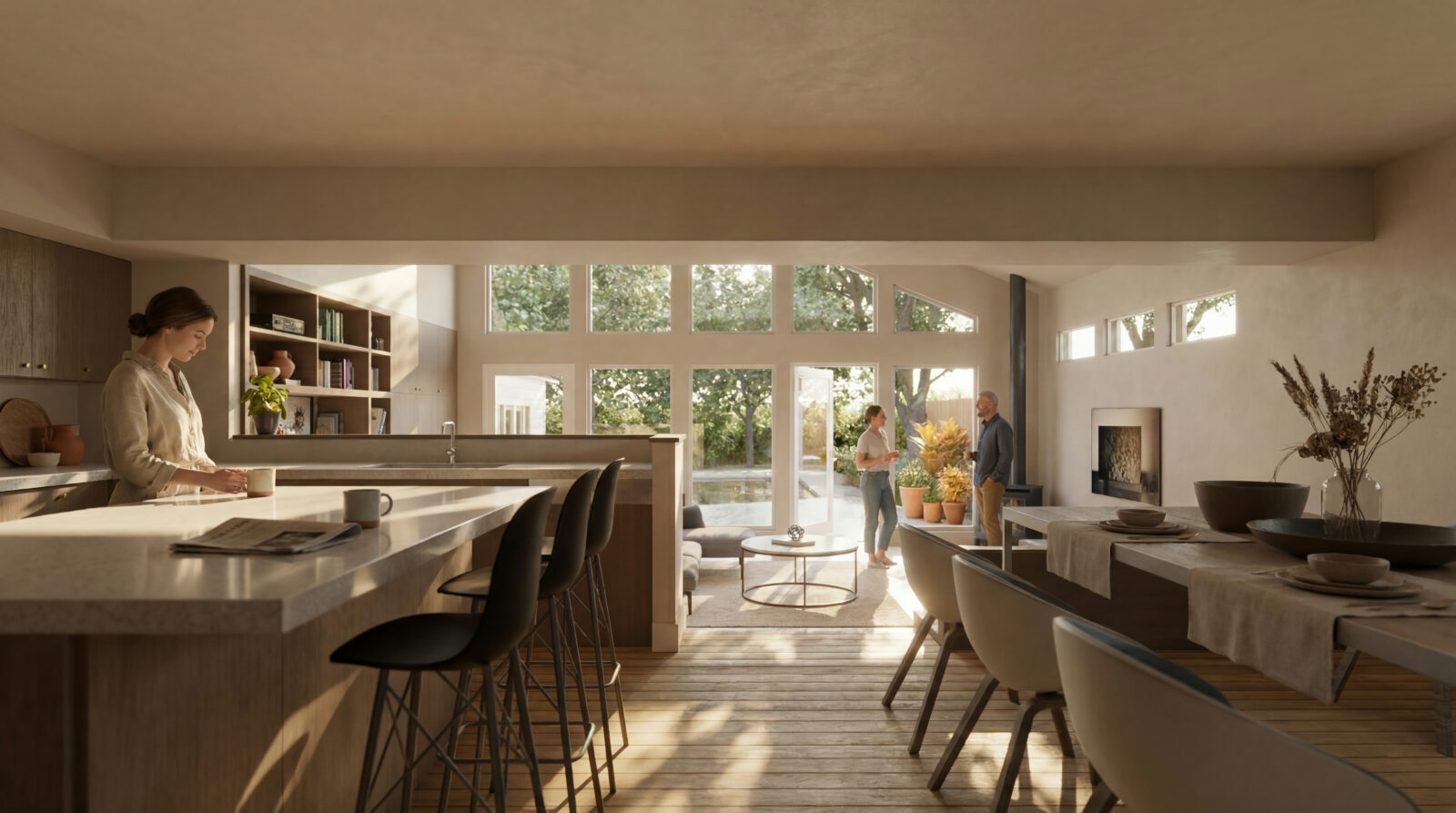
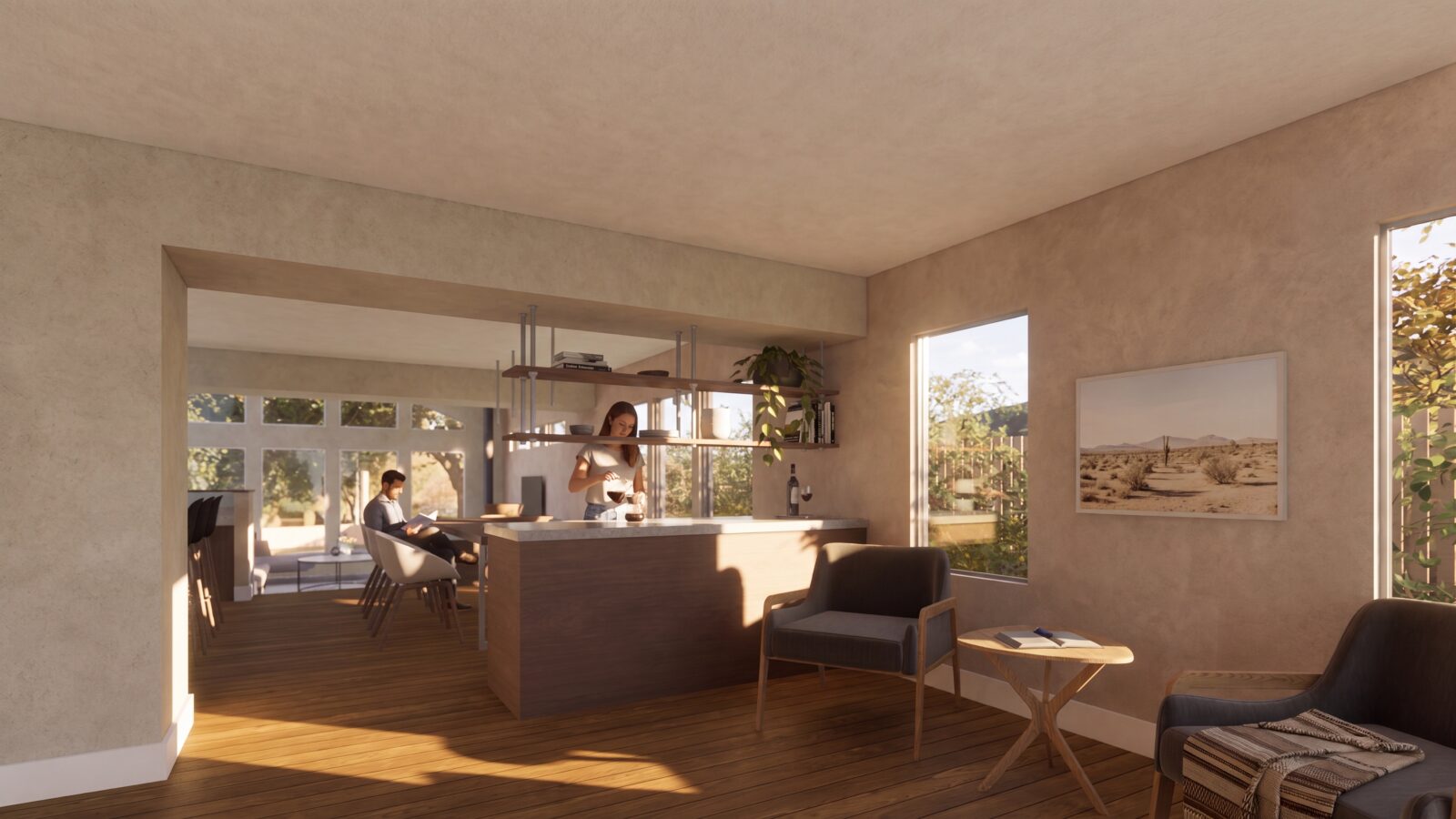
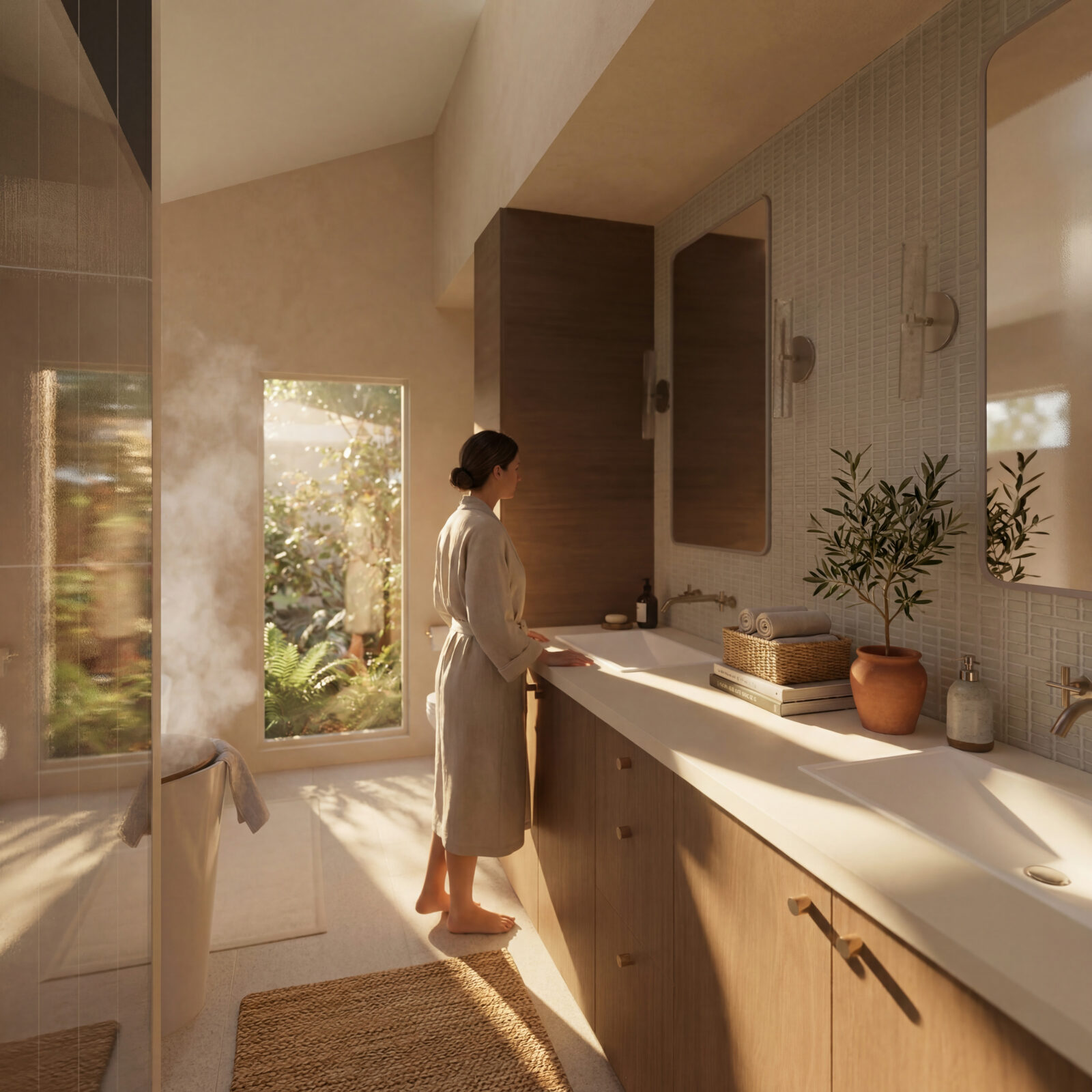
In Houston’s Timbergrove neighborhood, this renovation transforms a traditional layout into an open, light-filled home designed for entertaining. Walls between kitchen, living, and dining areas were removed to create seamless flow, with custom millwork adding warmth, storage, and subtle definition to each space. Large windows frame garden views and invite daylight deep into the home, blurring the boundary between indoors and outdoors. The result is a welcoming setting where gatherings feel both lively and connected, and the home adapts effortlessly from quiet mornings to vibrant evenings.
Location
Houston, Texas
Design Team
Kevin Barden, Joe Rivers, and Esmer Leija
Renderings
Rivers Barden Architects
Typology
Residential
Date
2021-Present
Structural Engineer
Santee Engineering
General Contractor
Frich Investments
Process


Explore
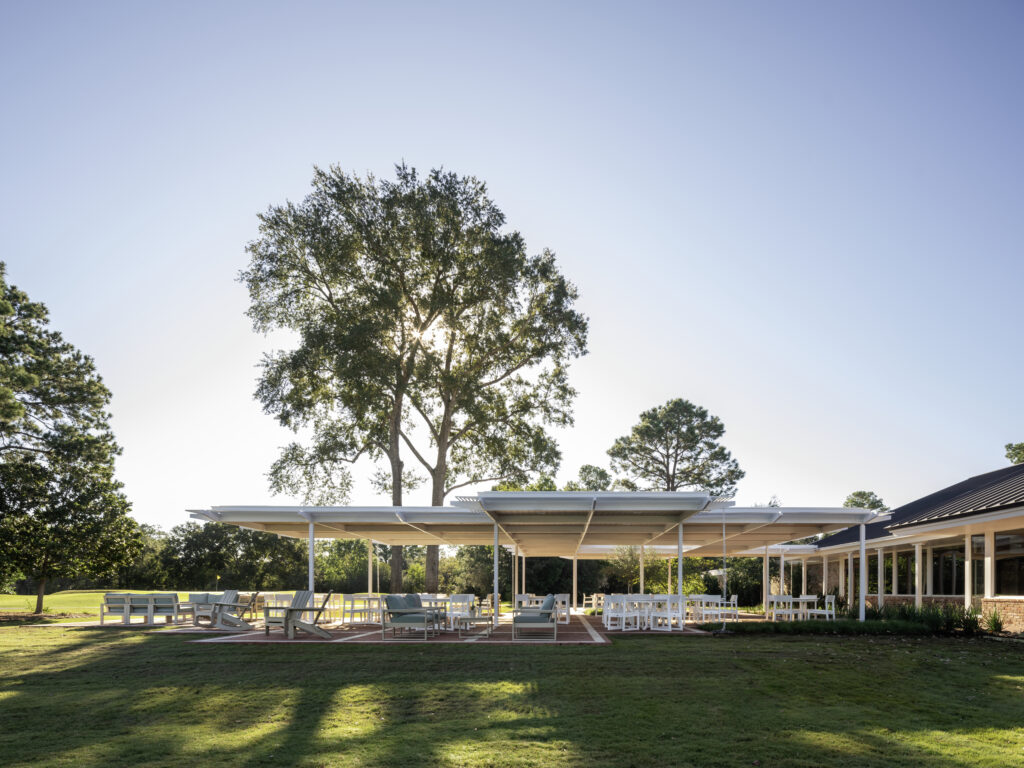
Champions Golf Pavilion
Houston, Texas
Commercial
The new Founder’s Patio at Champions Golf Club offers an exciting opportunity for dining, relaxing and enjoying the golf club. Located along the golf side of the existing clubhouse, the design respects and resonates with the existing architectural language on the property, while amplifying and adding to the experience of club.
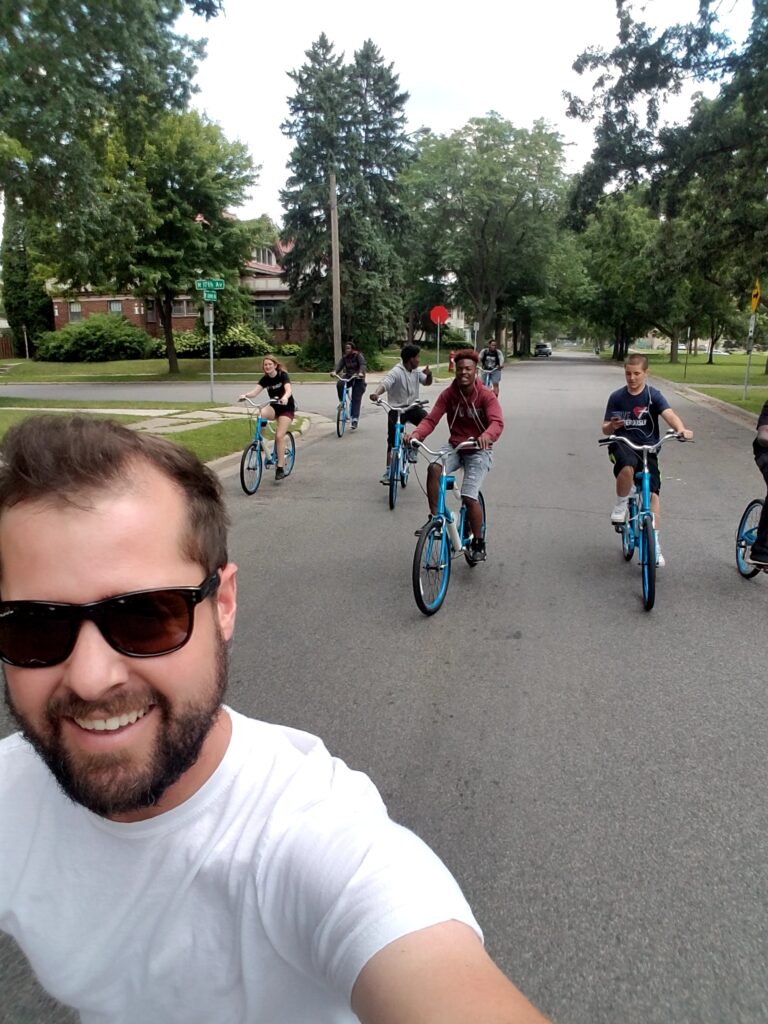
Casey Pavek
Director of Social Enterprise
Culture and Community
In this episode, our resident architects Joe Rivers and Kevin Barden sit down with Casey Pavek, a bicycle mechanic from Minneapolis, Minnesota. Casey Pavek is a general manager and lead bicycle mechanic at Venture North, a coffee and bike shop located in North Minneapolis. Joe and Kevin sat down with Casey to discuss adapting a bike shop to fitting a community's needs and the positive impact that a bike shop brings.
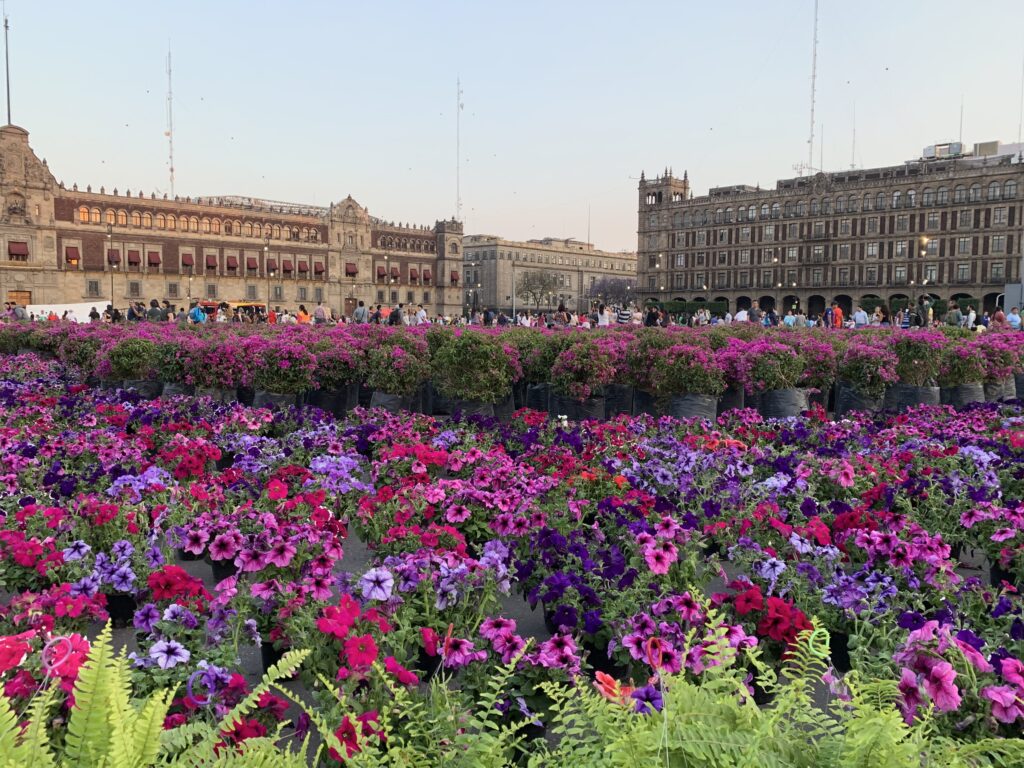
Staff Travel: Mexico City
Esmer Leija
Writing
Over the past few years, Esmer has made multiple trips to Mexico City. She had the opportunity to visit The Pyramids of Teotihuacan, La Casa Azul de Frida Kahlo and the first Latin-American Architecture Exhibition of Zaha Hadid’s work. The following is a reflective essay of her travels.