Port Bolivar Beach House
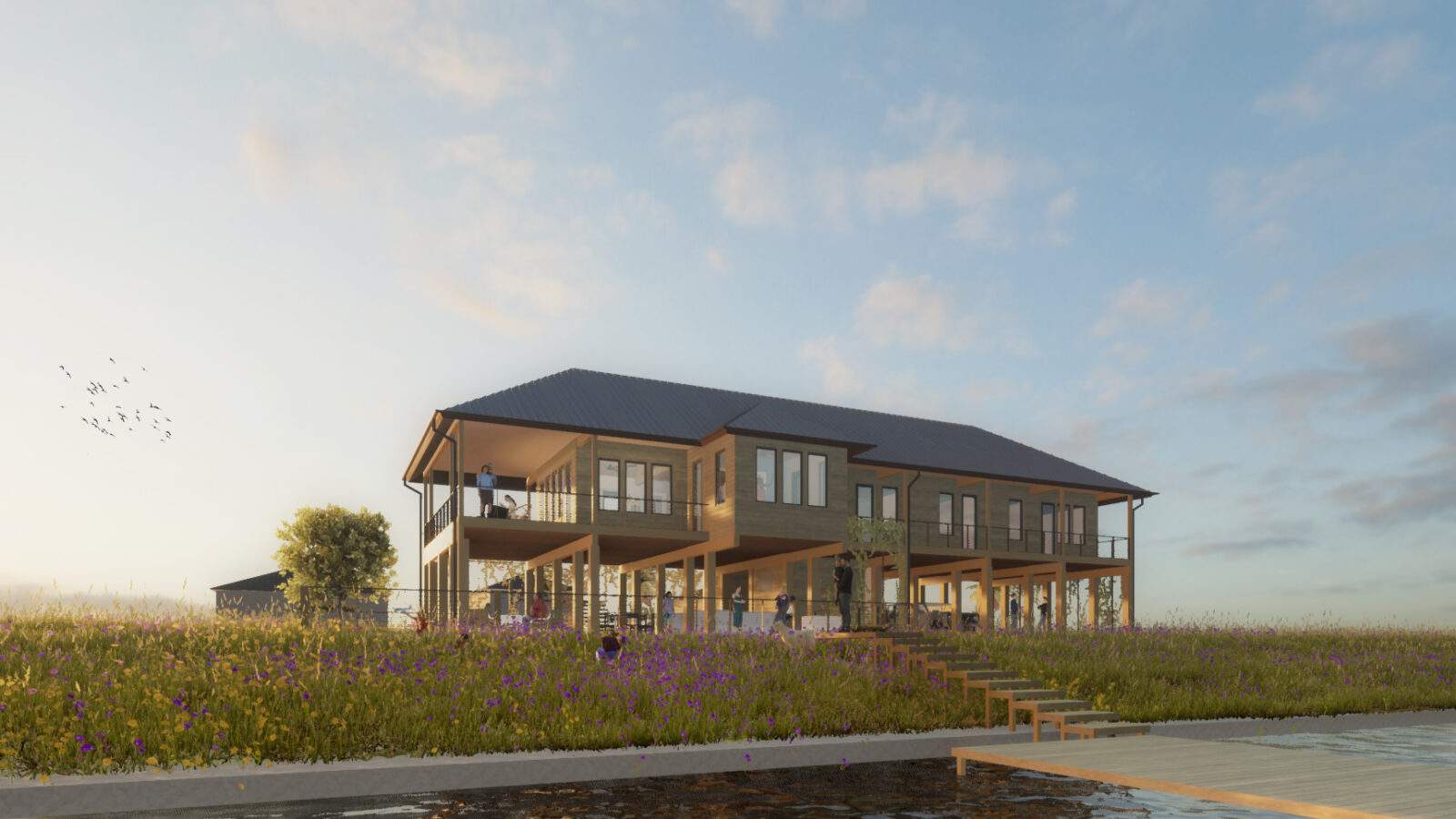
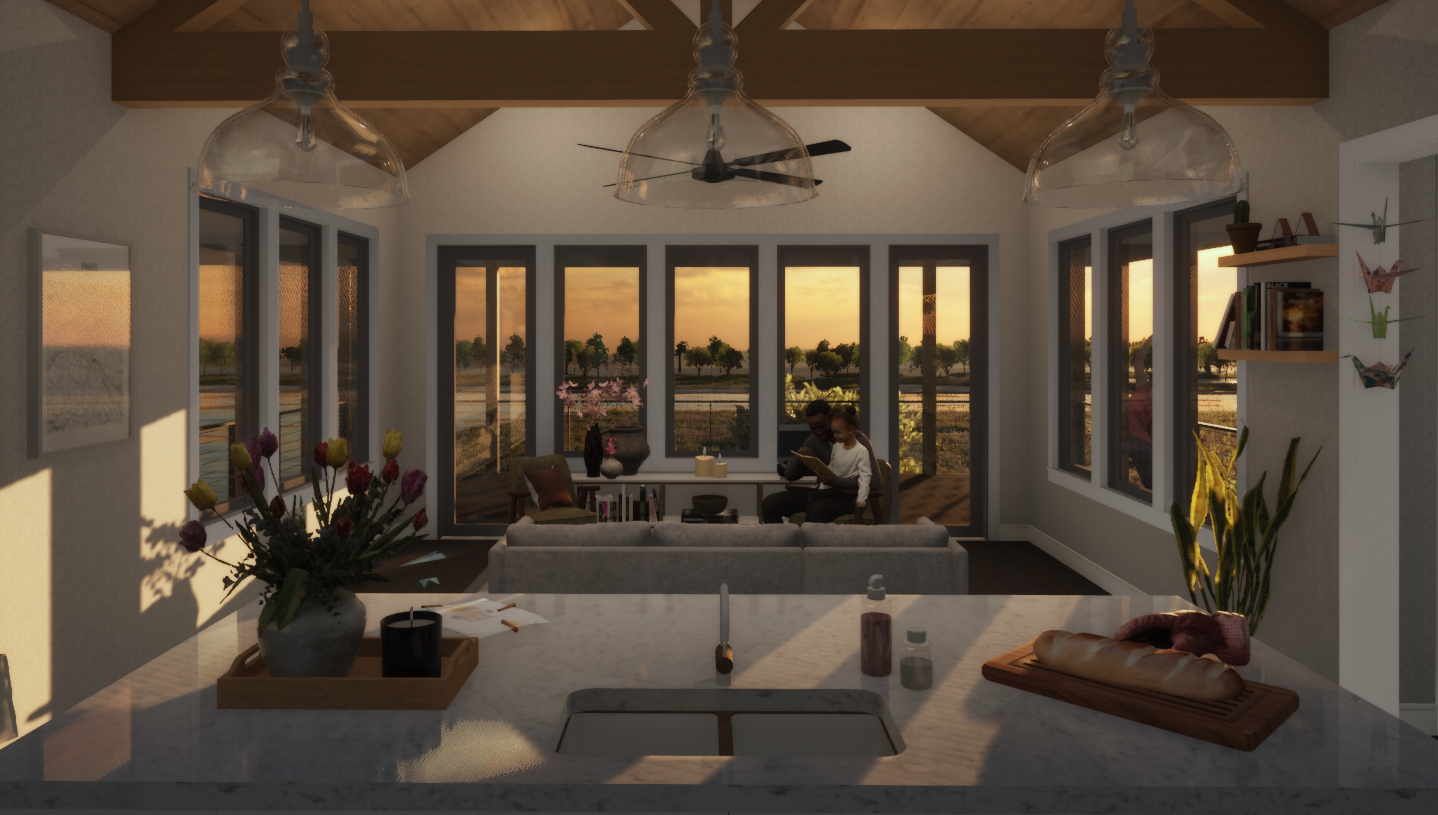
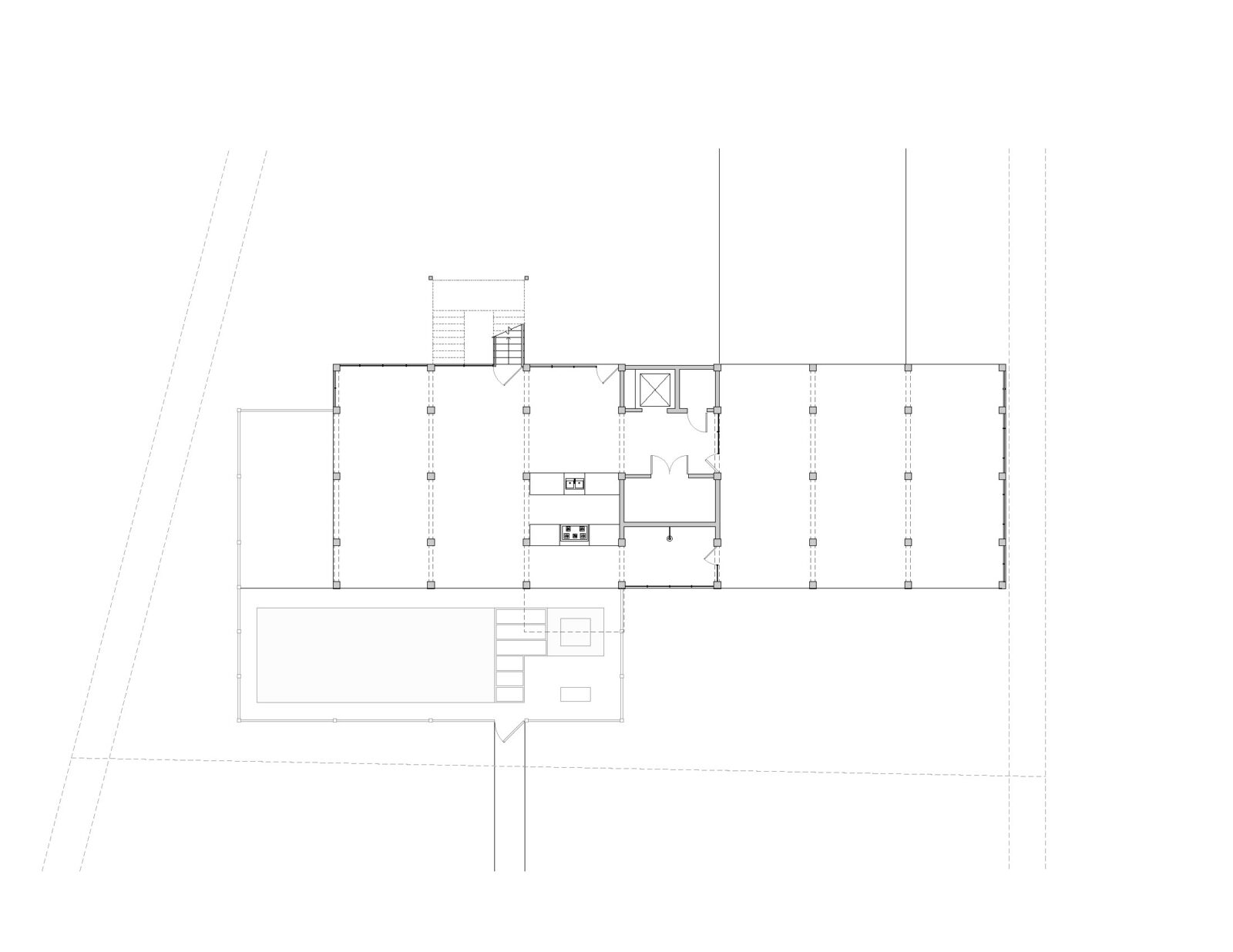
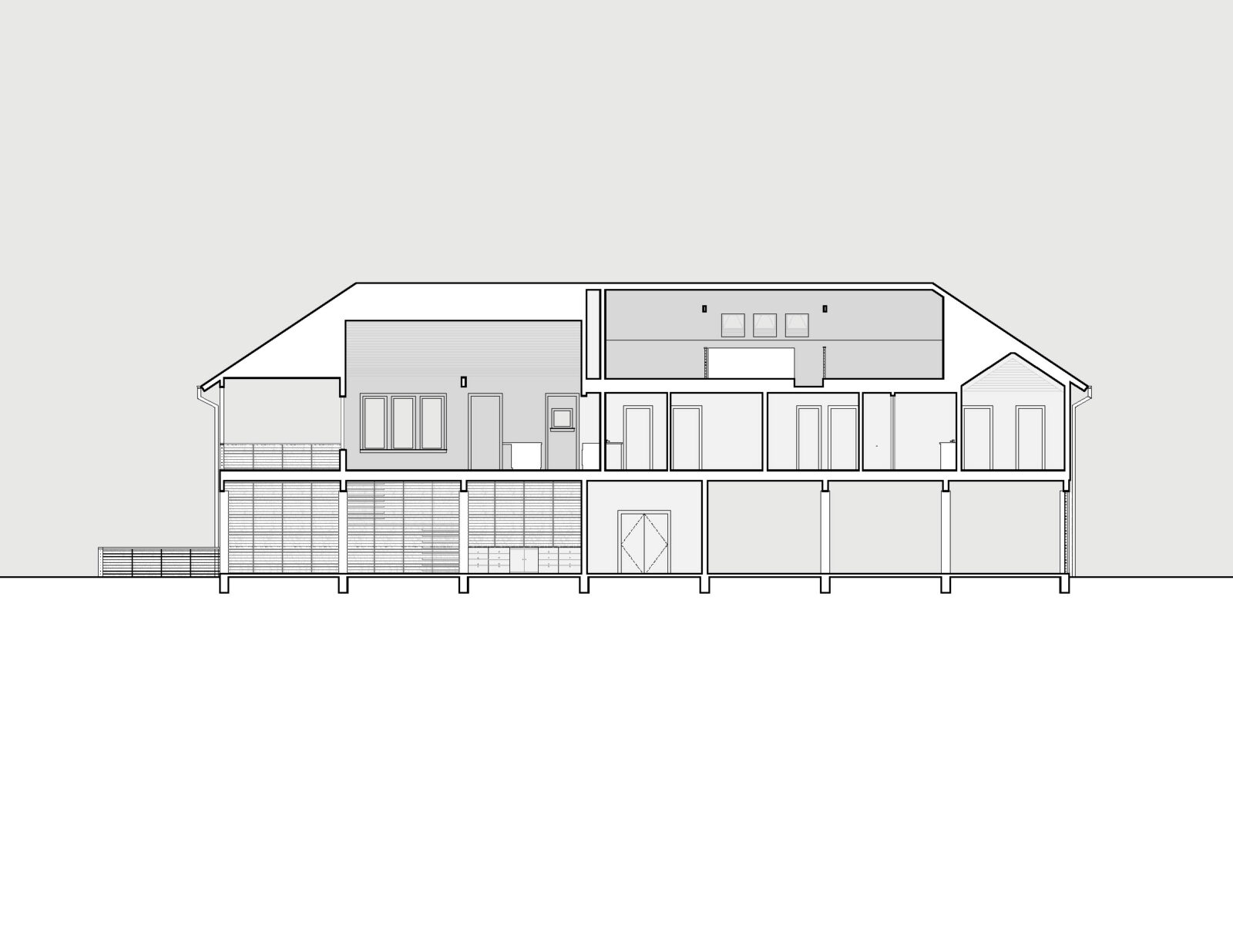
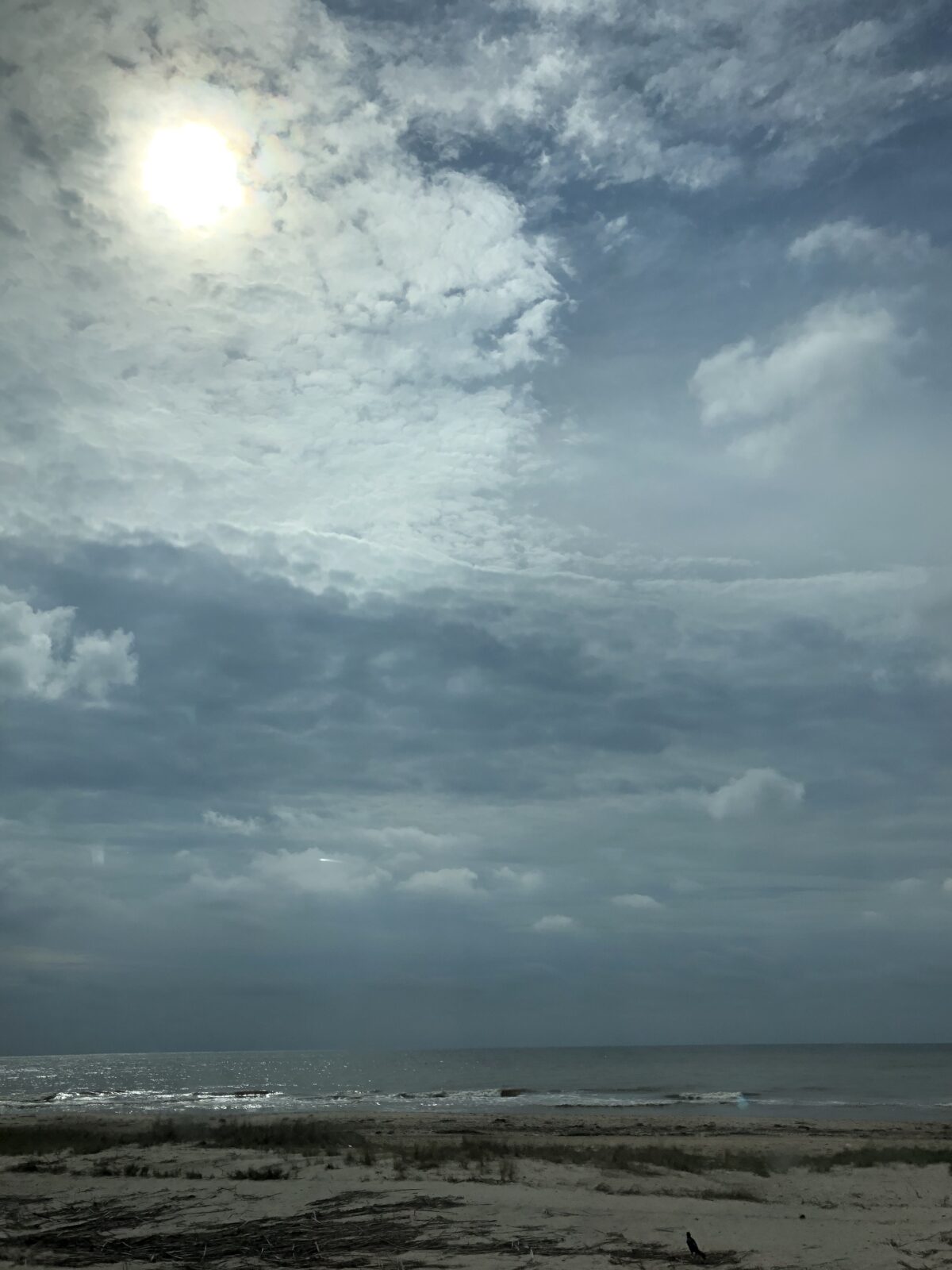
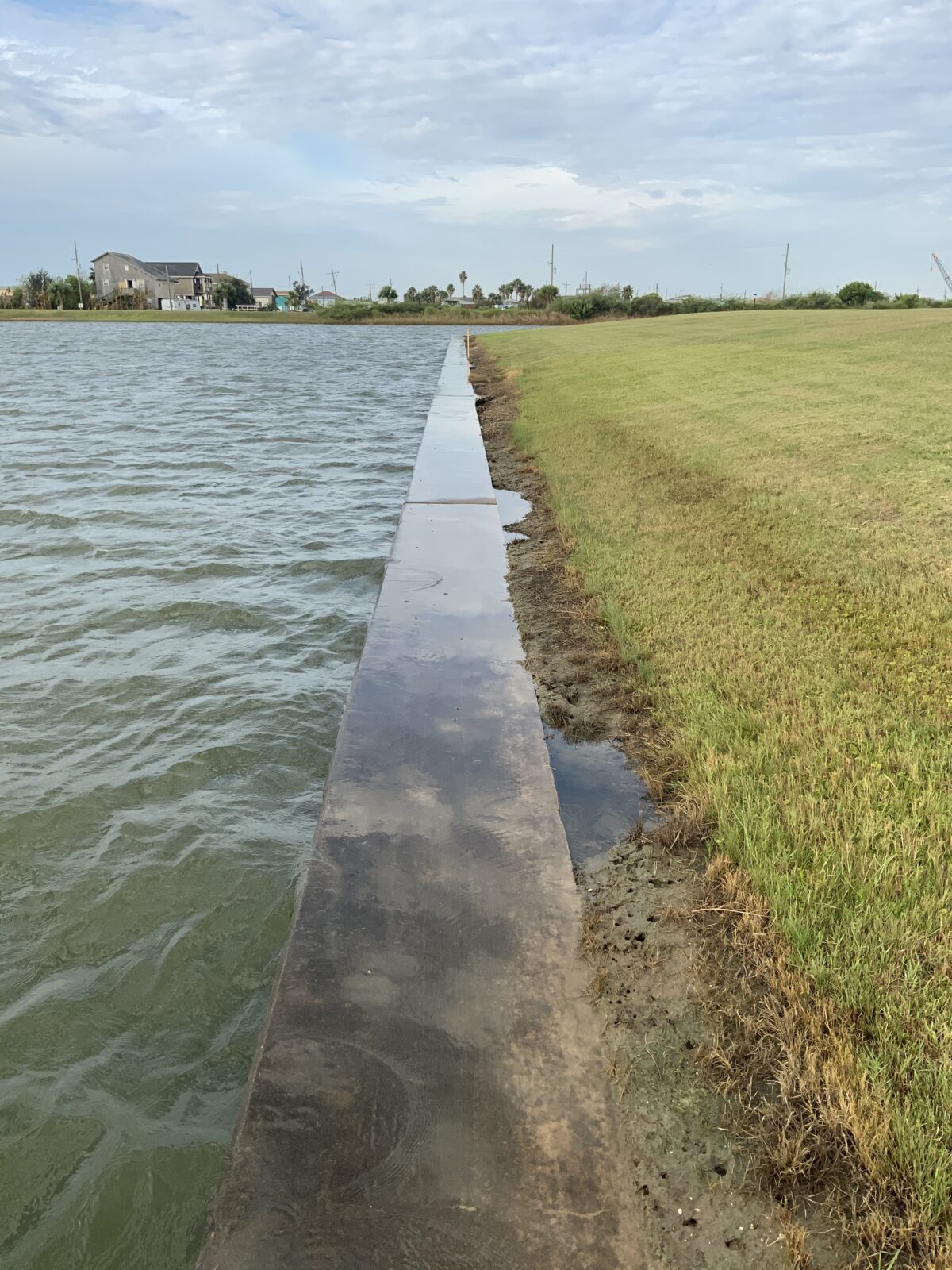
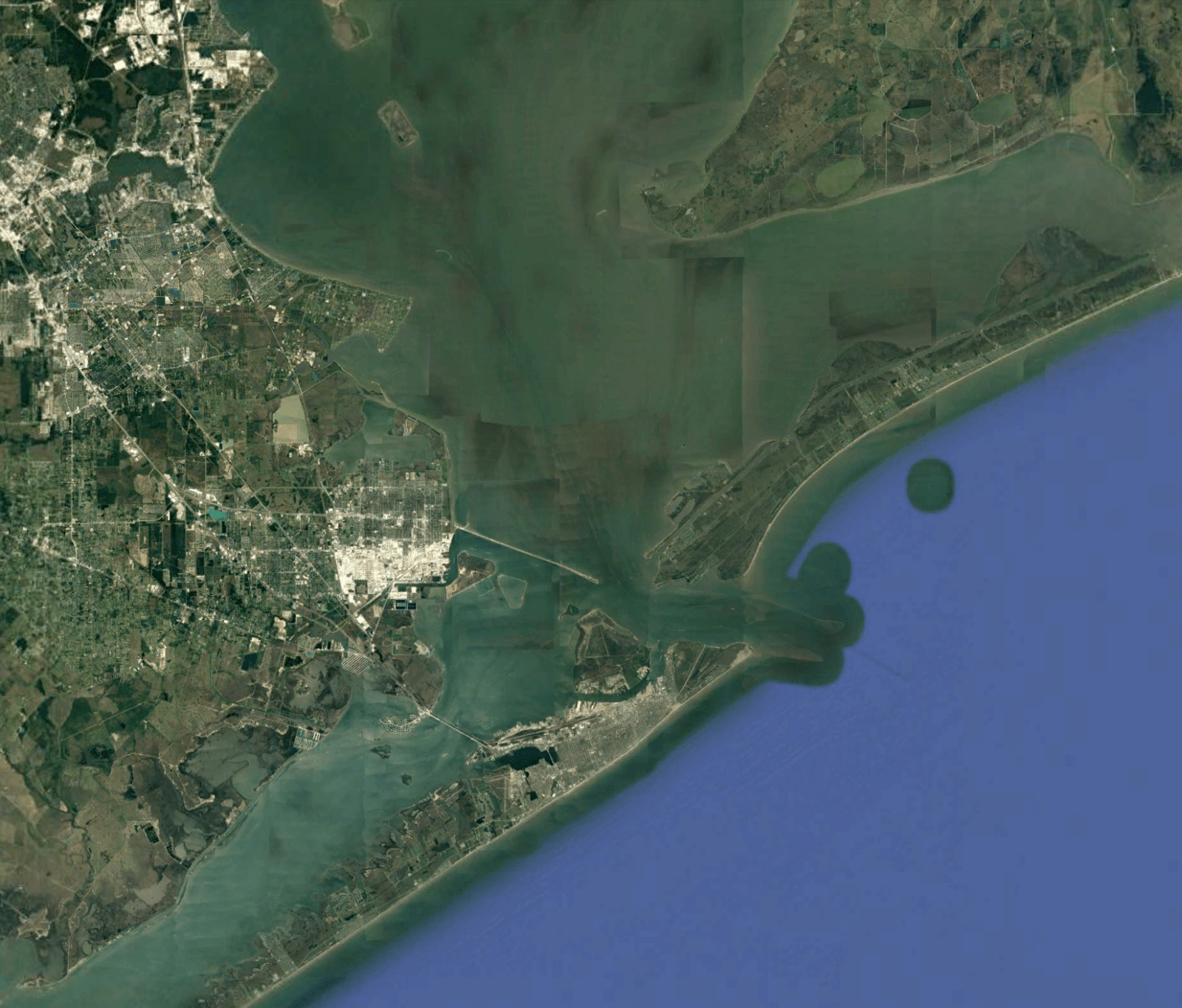
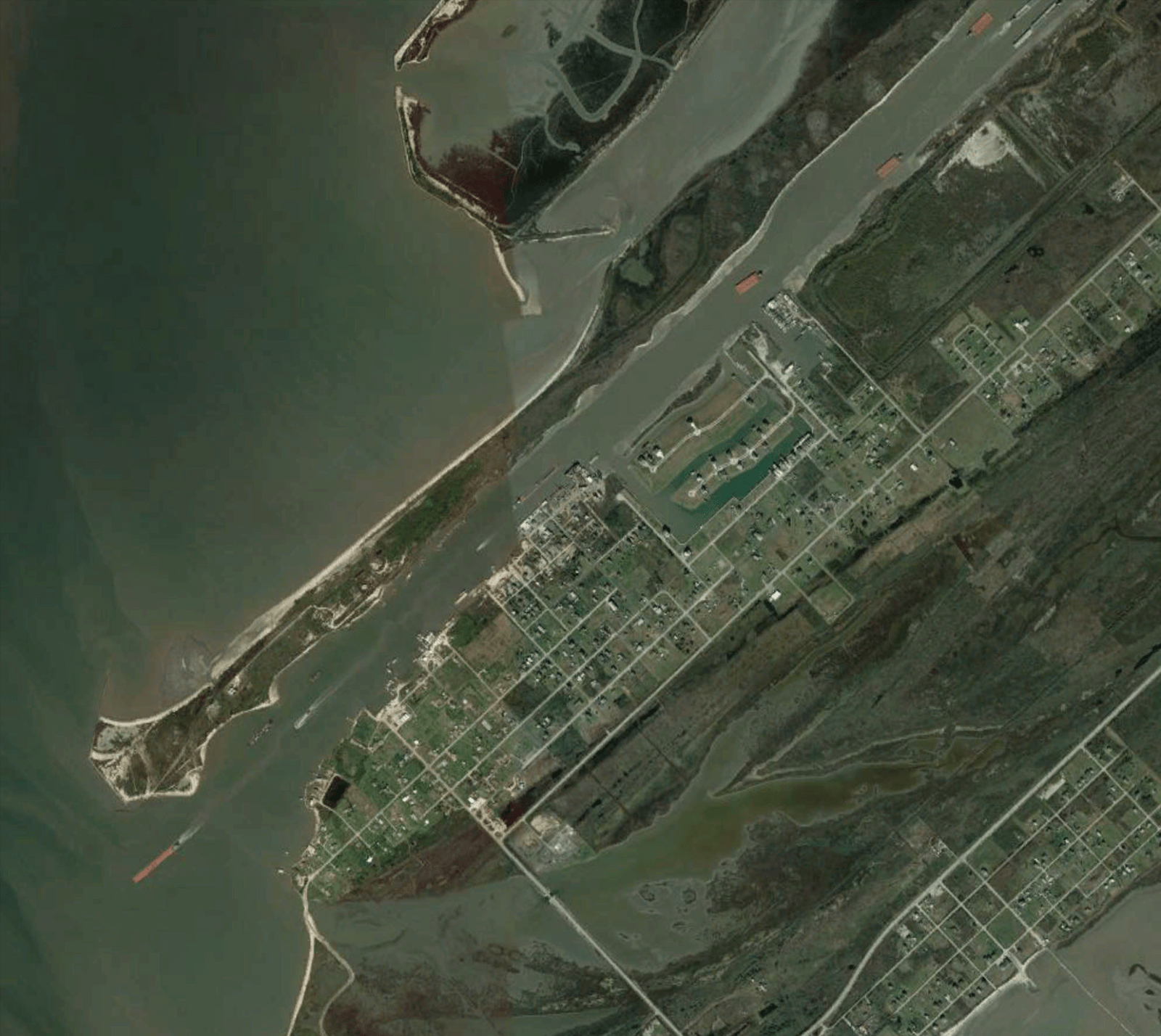
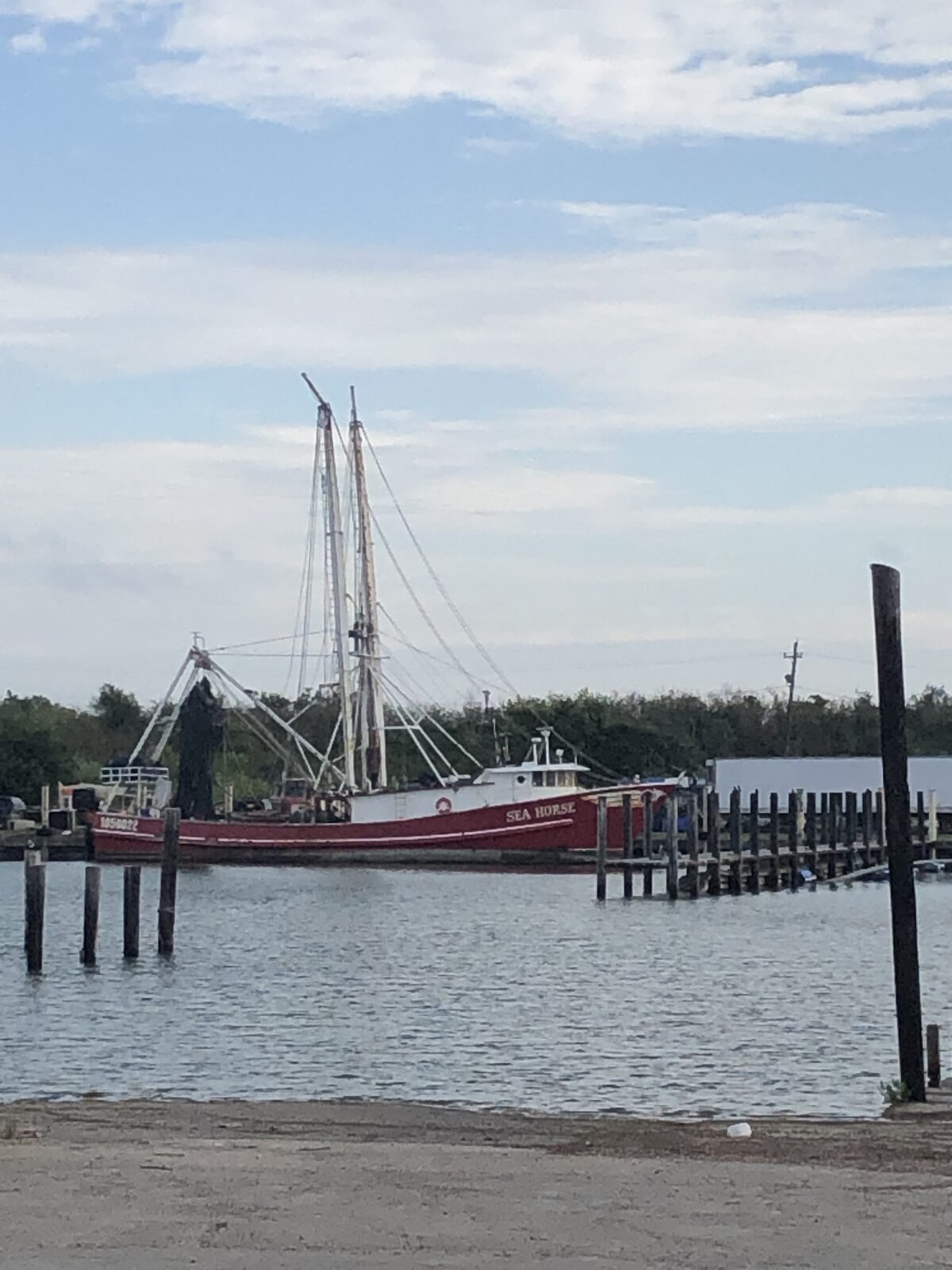
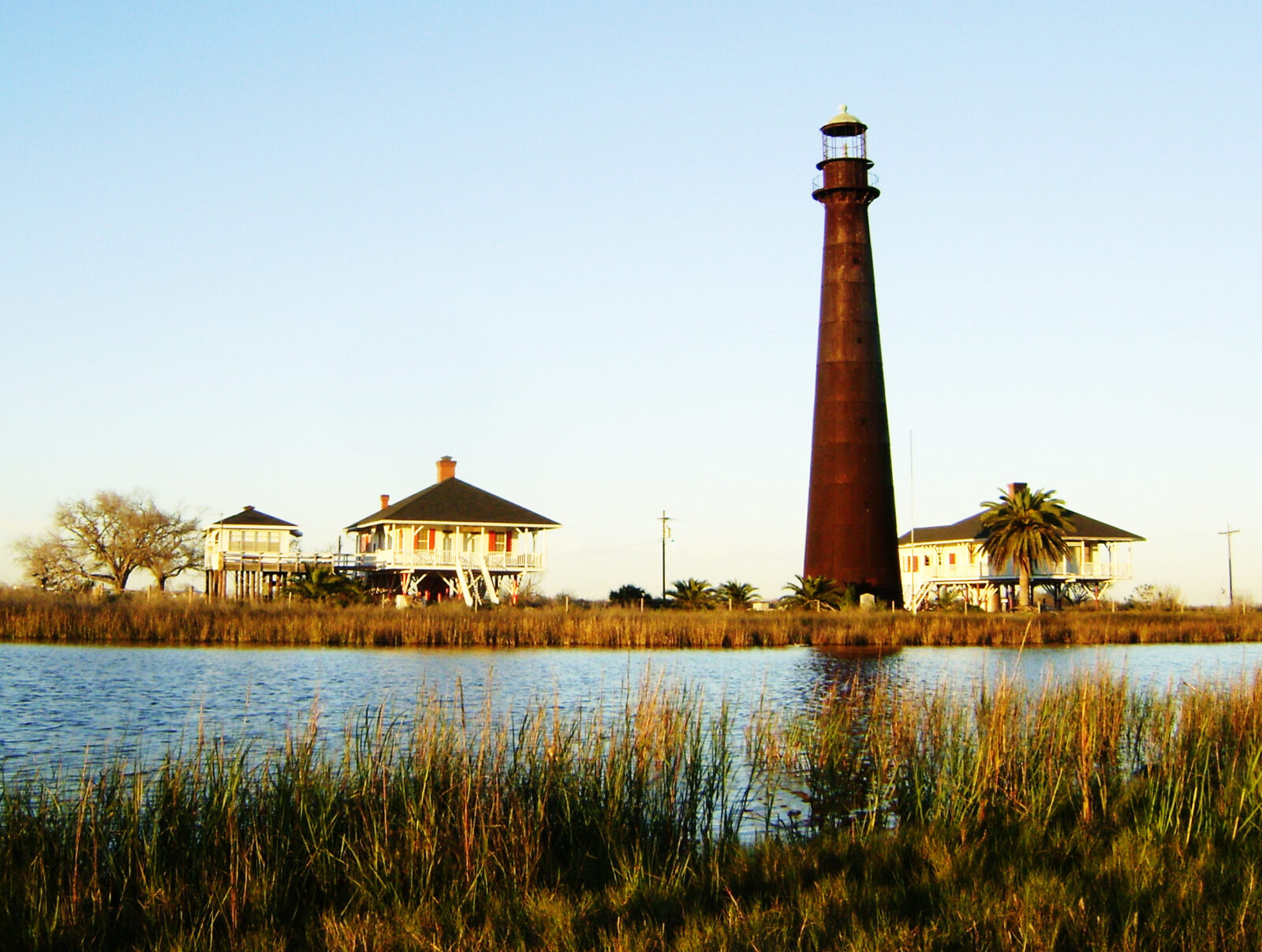
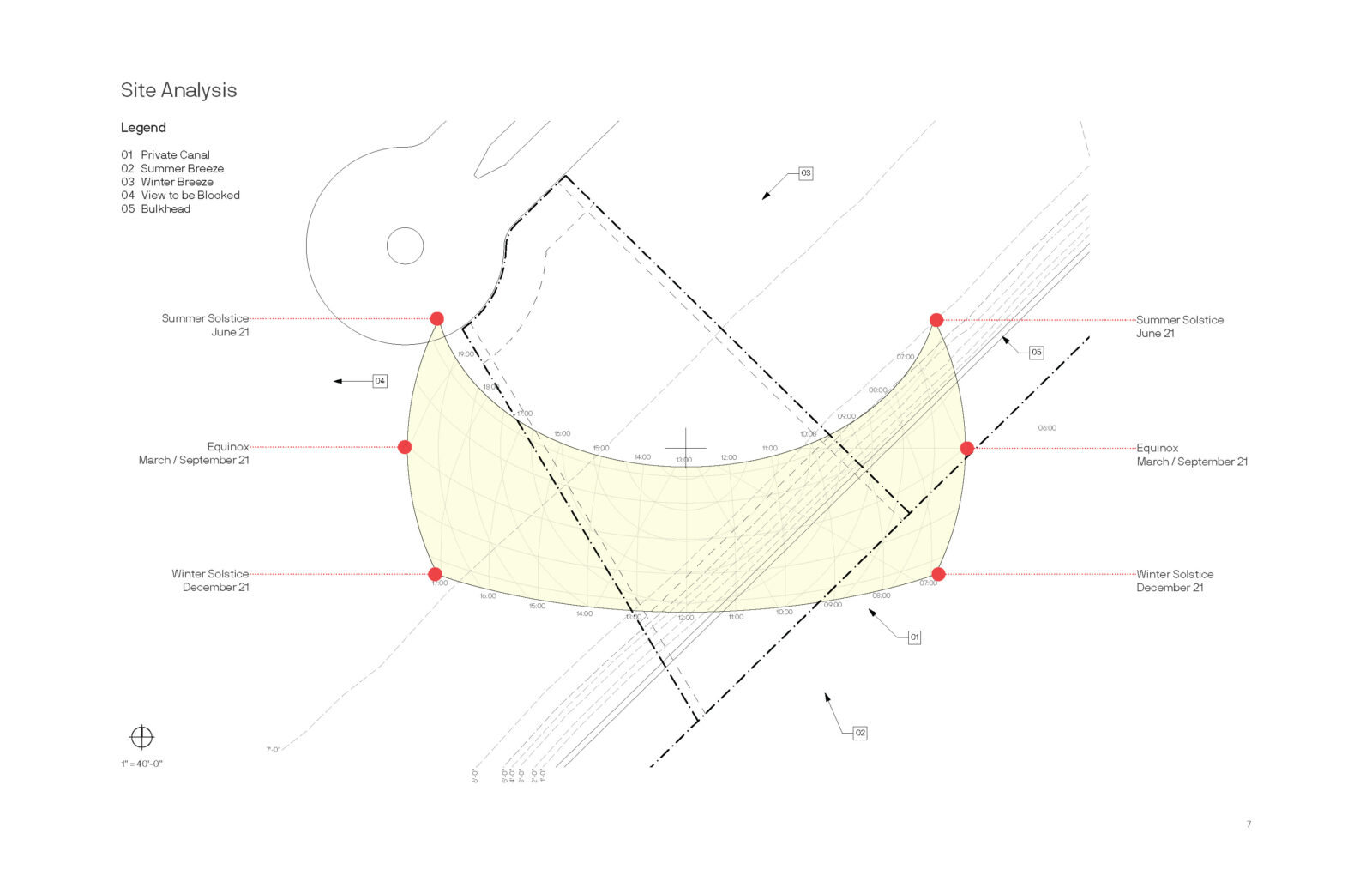
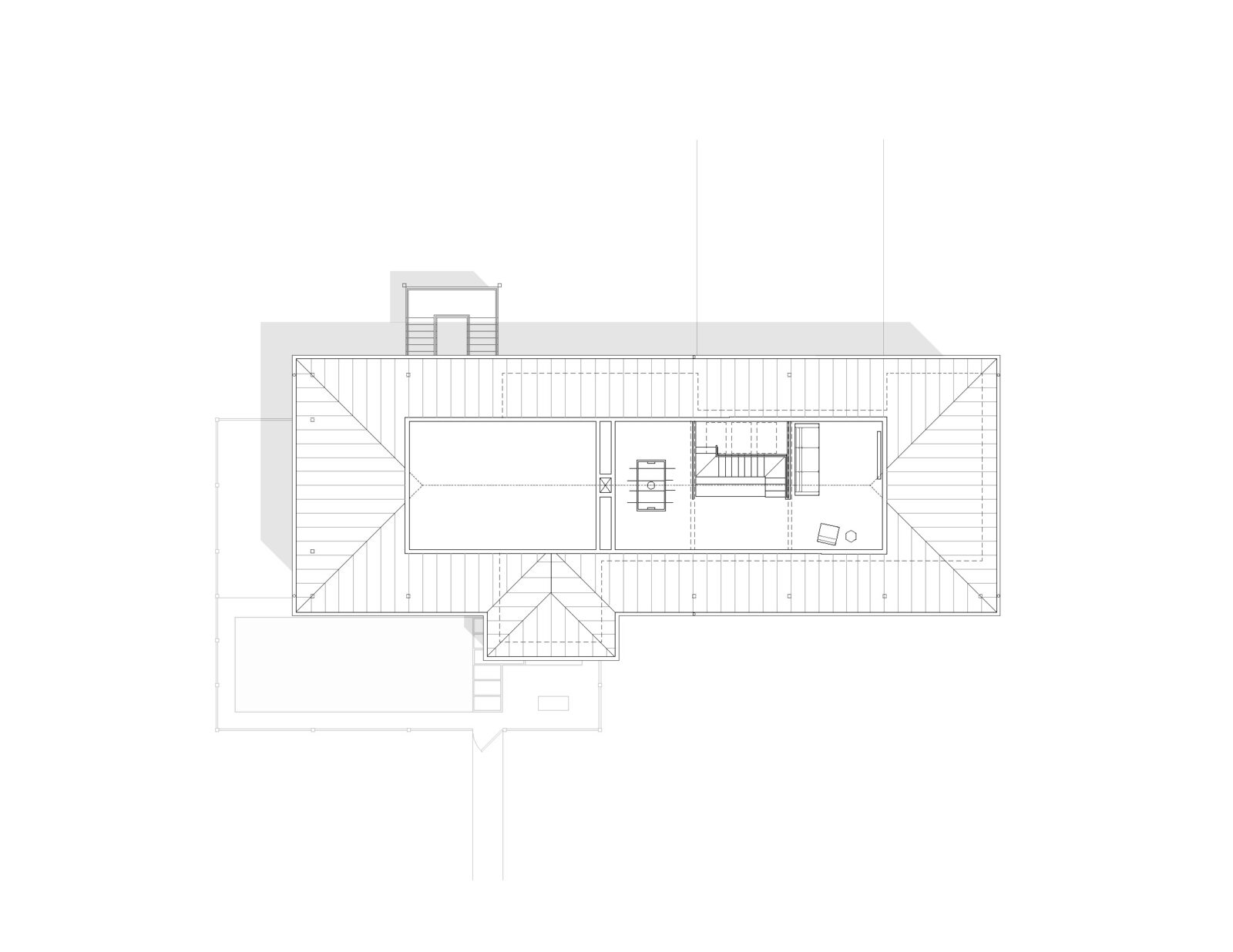
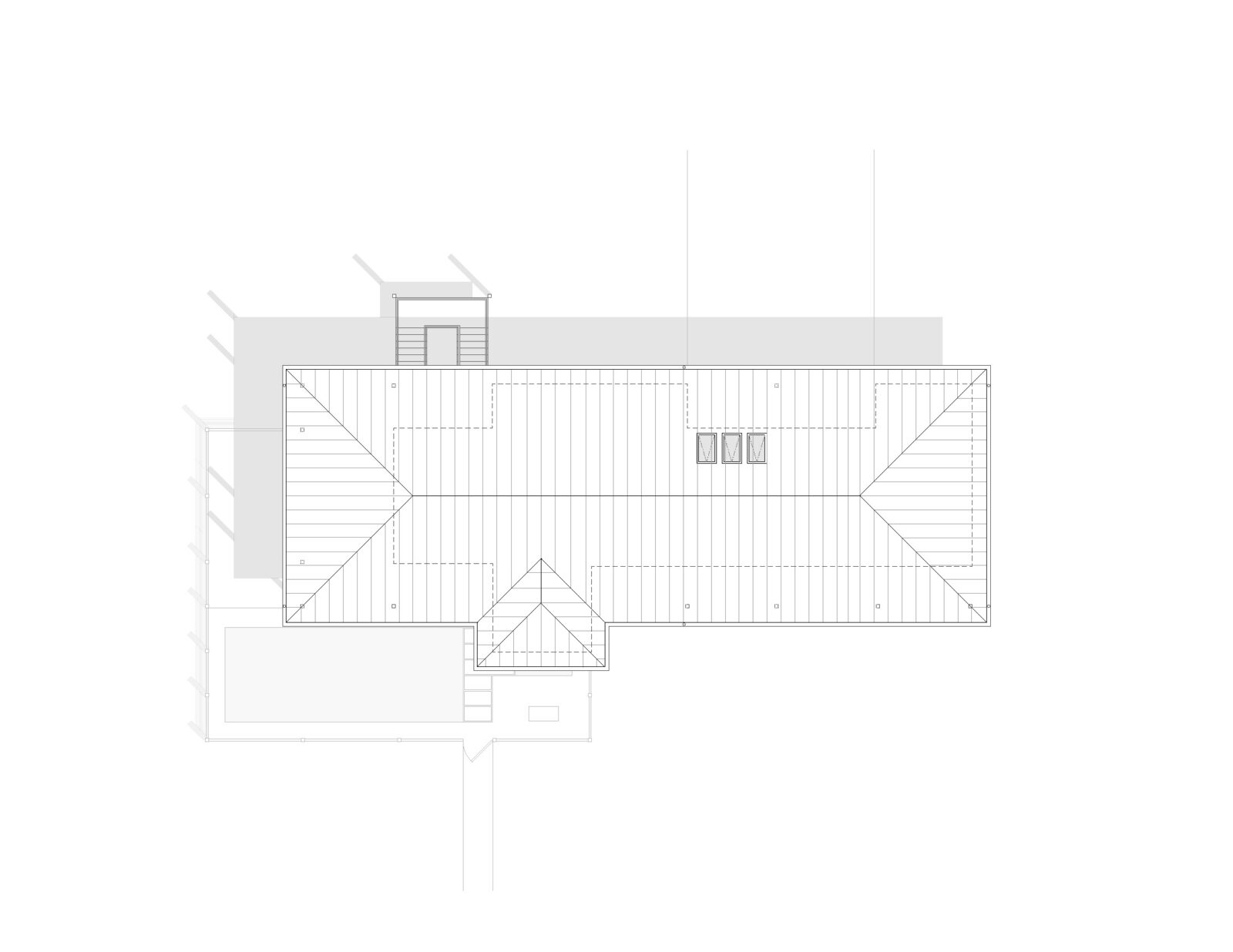
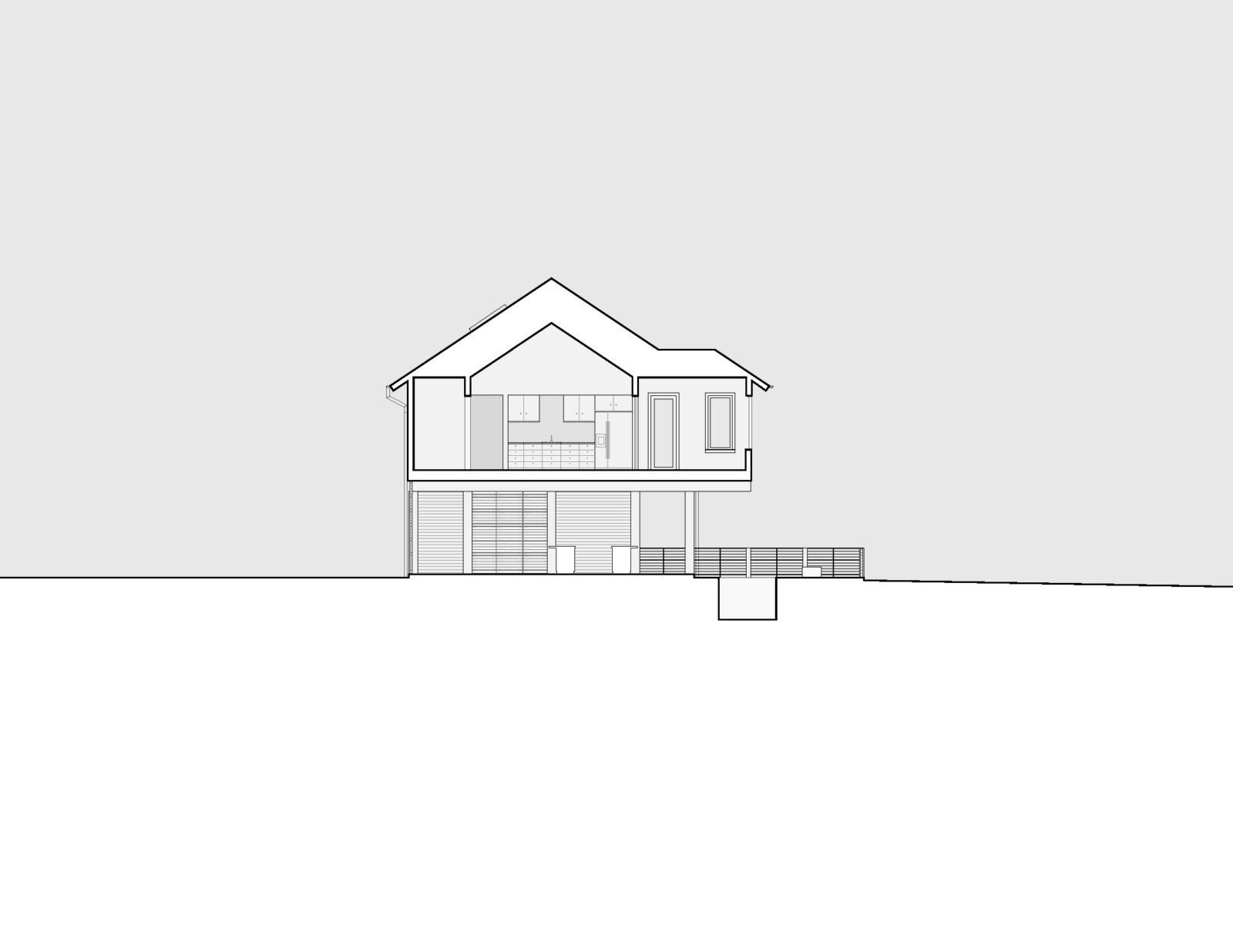
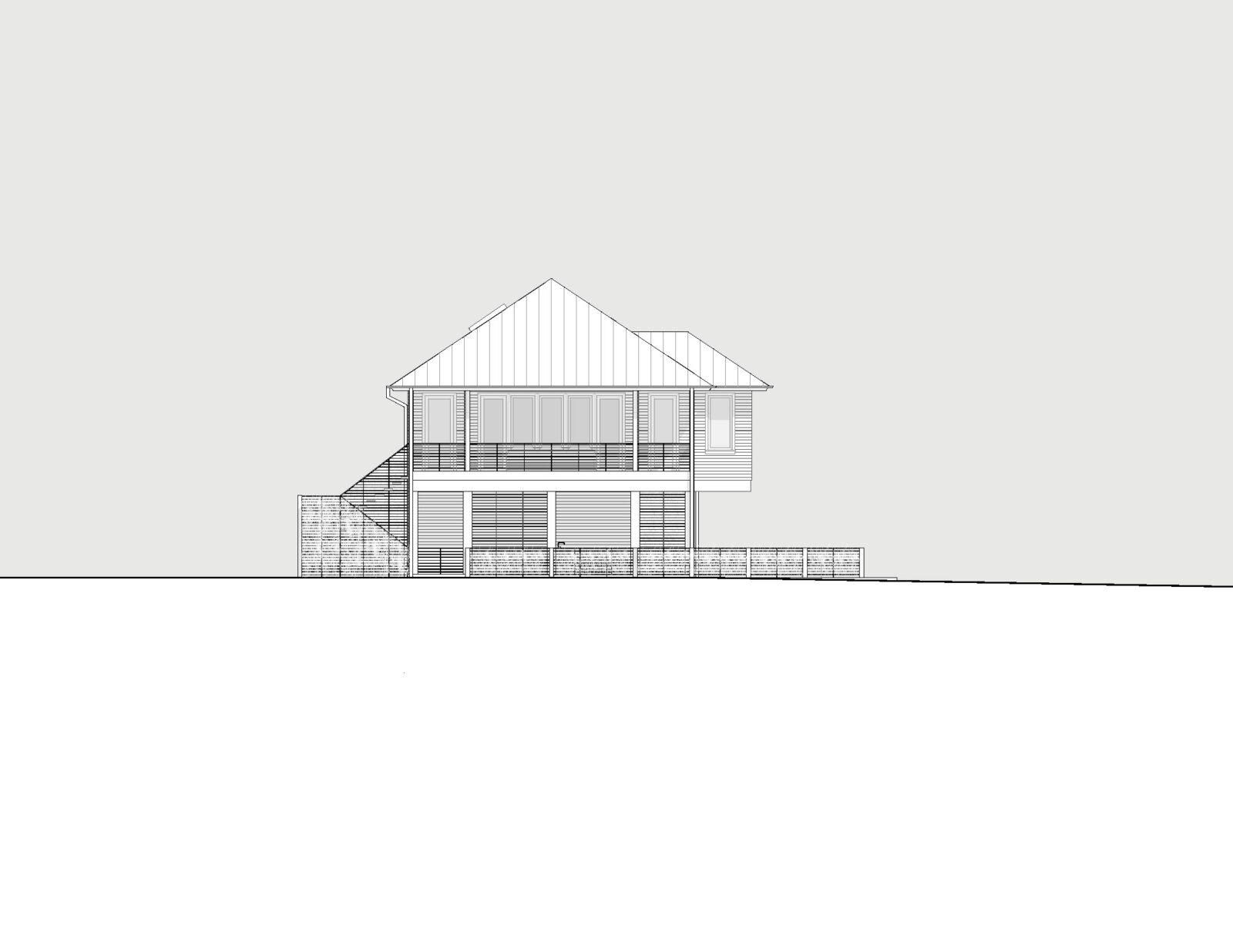
Situated above the shoreline in a Gulf Coast community, this elevated beach house offers a restful retreat shaped by light, breeze, and expansive views. Drawing from the local tradition of stilt-frame wood construction, the design lifts the main living level to capture sun, breeze, and shade throughout the day while providing shelter below. Inside, vaulted ceilings create an airy sense of volume, a bright sun room frames the shifting coastal light, and a cozy loft offers an intimate perch for reading or watching the water. Warm materials and simple forms make the home both timeless and deeply connected to its place.
Location
Port Bolivar, Texas
Design Team
Kevin Barden and Joe Rivers
Typology
Residential
Date
2020-2021


Process

Explore
Walnut Springs Guest House
Johnson City, Texas
Residential
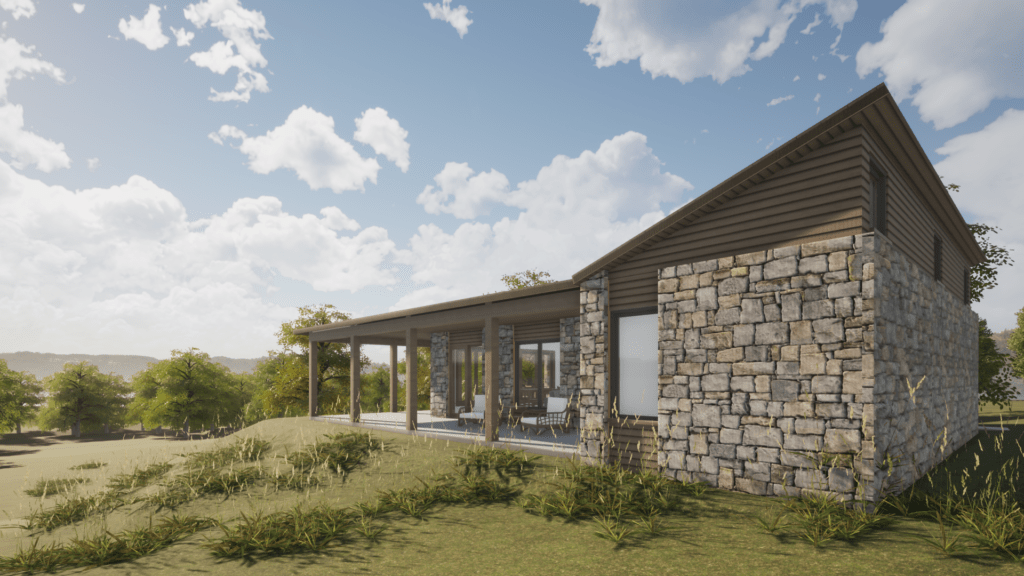
Perched on a rocky rise in the Texas Hill Country, the Walnut Springs Guest House offers a nature-immersed retreat for a city family. Two hand-crafted stone volumes anchor the home, framing shaded porches and a generous central gathering space while sheltering private rooms.

Reid Kennedy
Musician, Composer, & Teacher
Music and Performance
In this episode our resident architects Joe Rivers and Kevin Barden visit with Reid Kennedy, a drummer and composer from St. Paul, Minnesota. Reid Kennedy is a percussionist and pass drummer from St. Paul, Minnesota and a standout example of the modern working musician. In addition to being a top-call drummer in the Twin Cities, Reid teaches percussion and music theory at McNally Smith College of Music in downtown St. Paul. He composes, performs, records, and produces his own music in groups such as the Reid Kennedy Jazz Trio and Big Villain, and is the co-founder of the neo soul modern jazz darlings of Minneapolis, Nooky Jones. Joe and Kevin talk with Reid about his path to becoming a full-time musician, having passion for creating, and the ins and outs of collaboration.

The Architectural Vernacular of Houston
Joe Rivers
Writing
As the architectural historian Paul Oliver aptly puts it, “All forms of vernacular architecture are built to meet specific needs, accommodating the values, economies, and ways of life of the cultures that produce them.” In this article, we will explore the various dimensions of architectural vernacular and why it is essential for crafting designs that resonate with the heart and soul of Houston and the Gulf Coast.