Albert Cabin
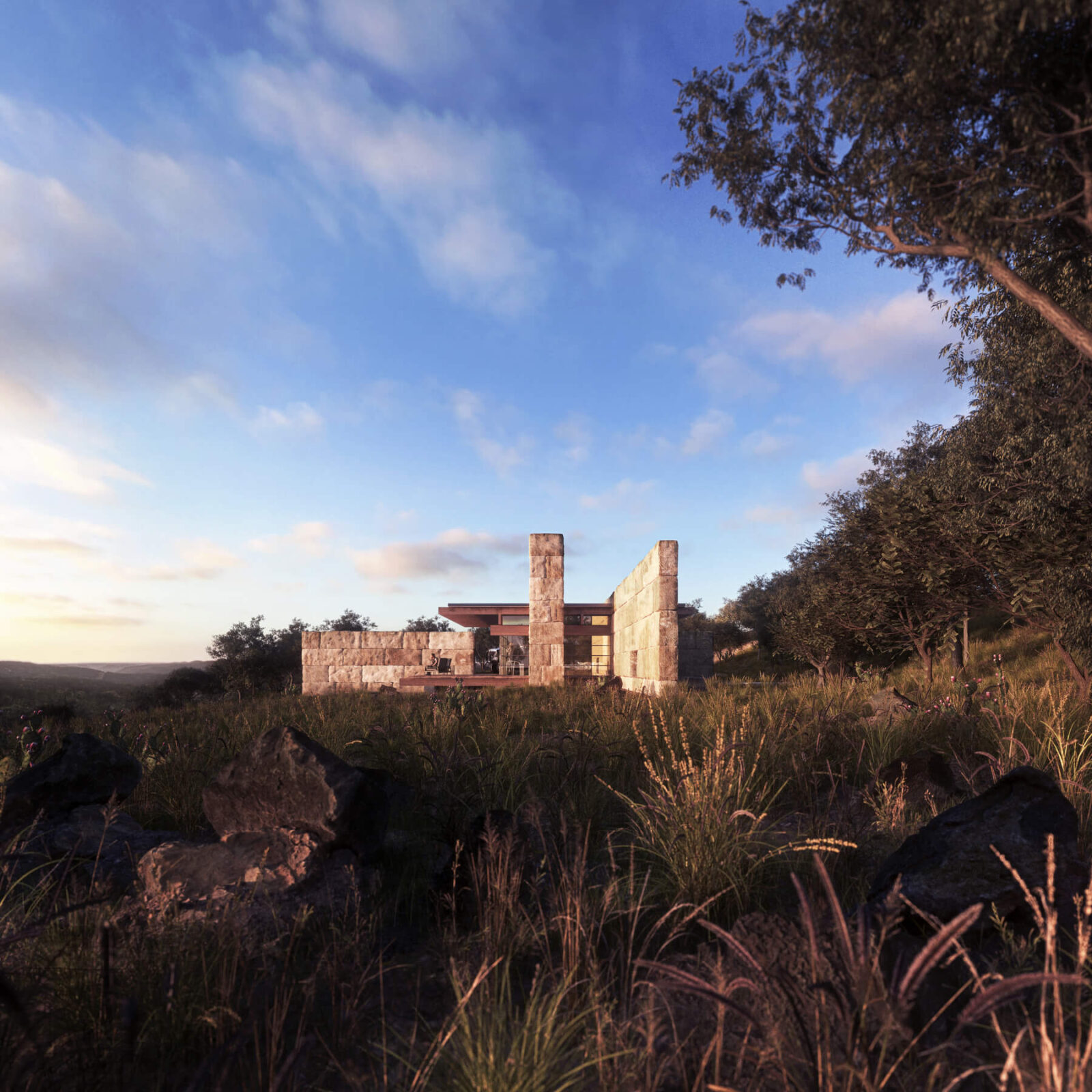
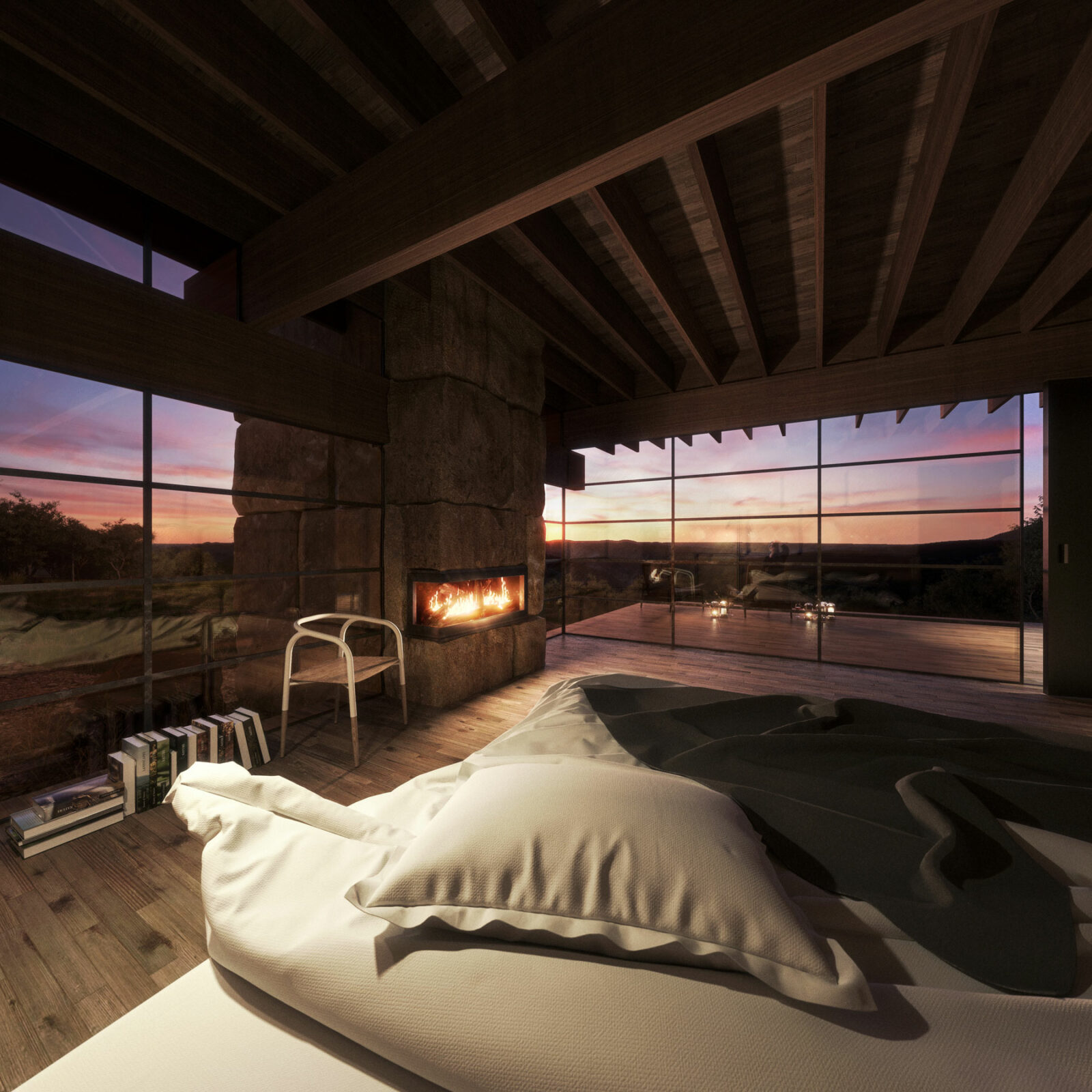
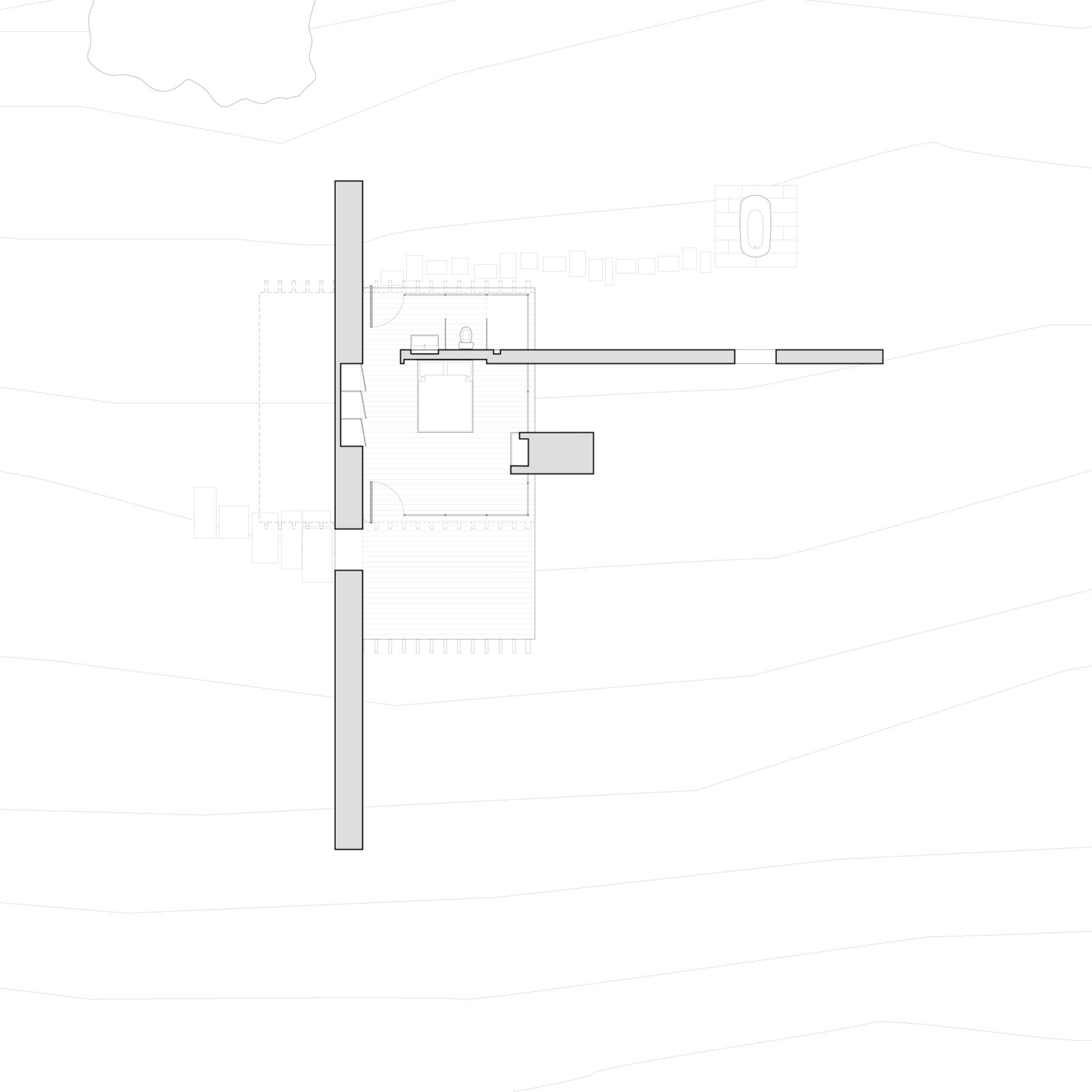
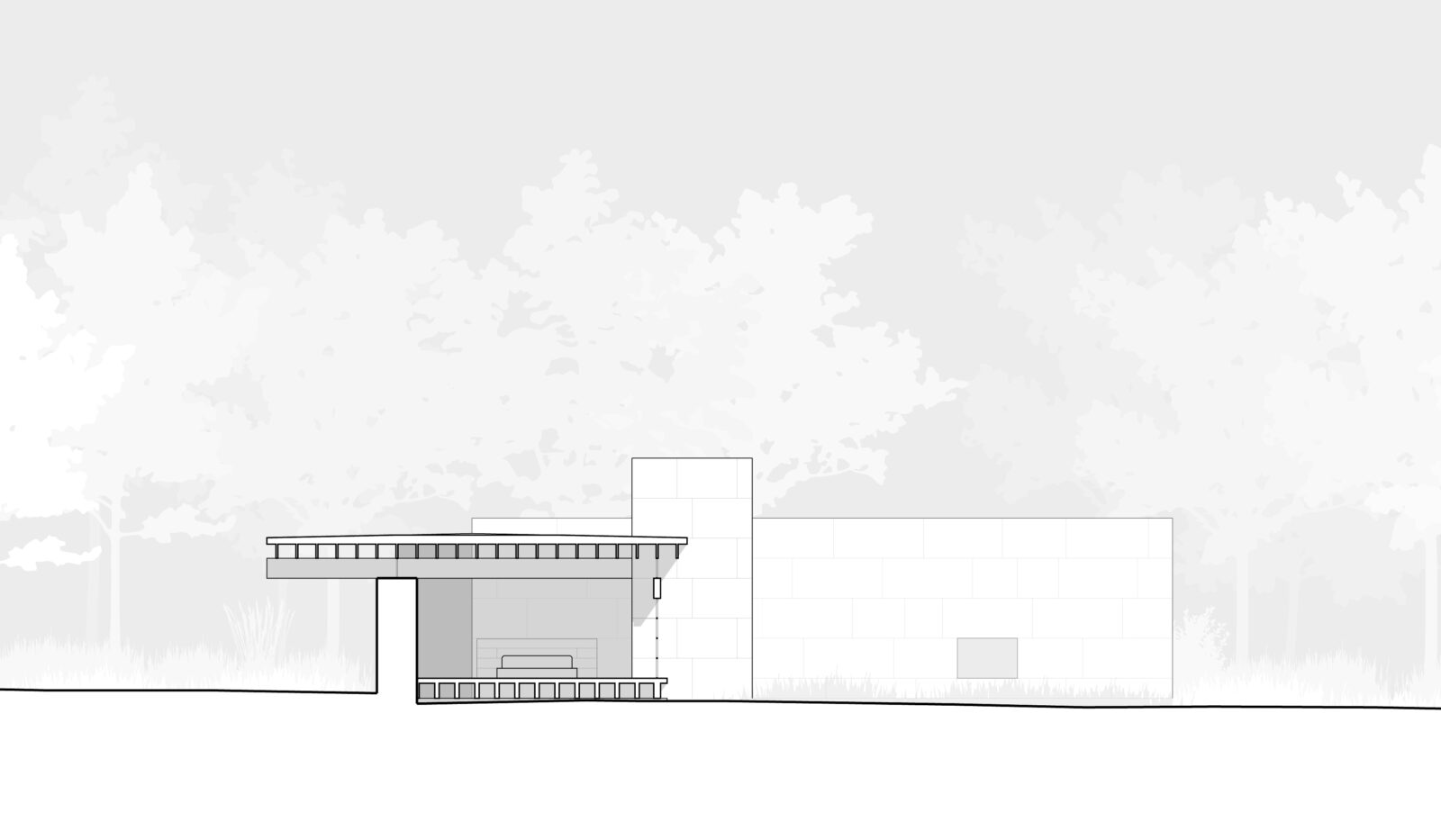
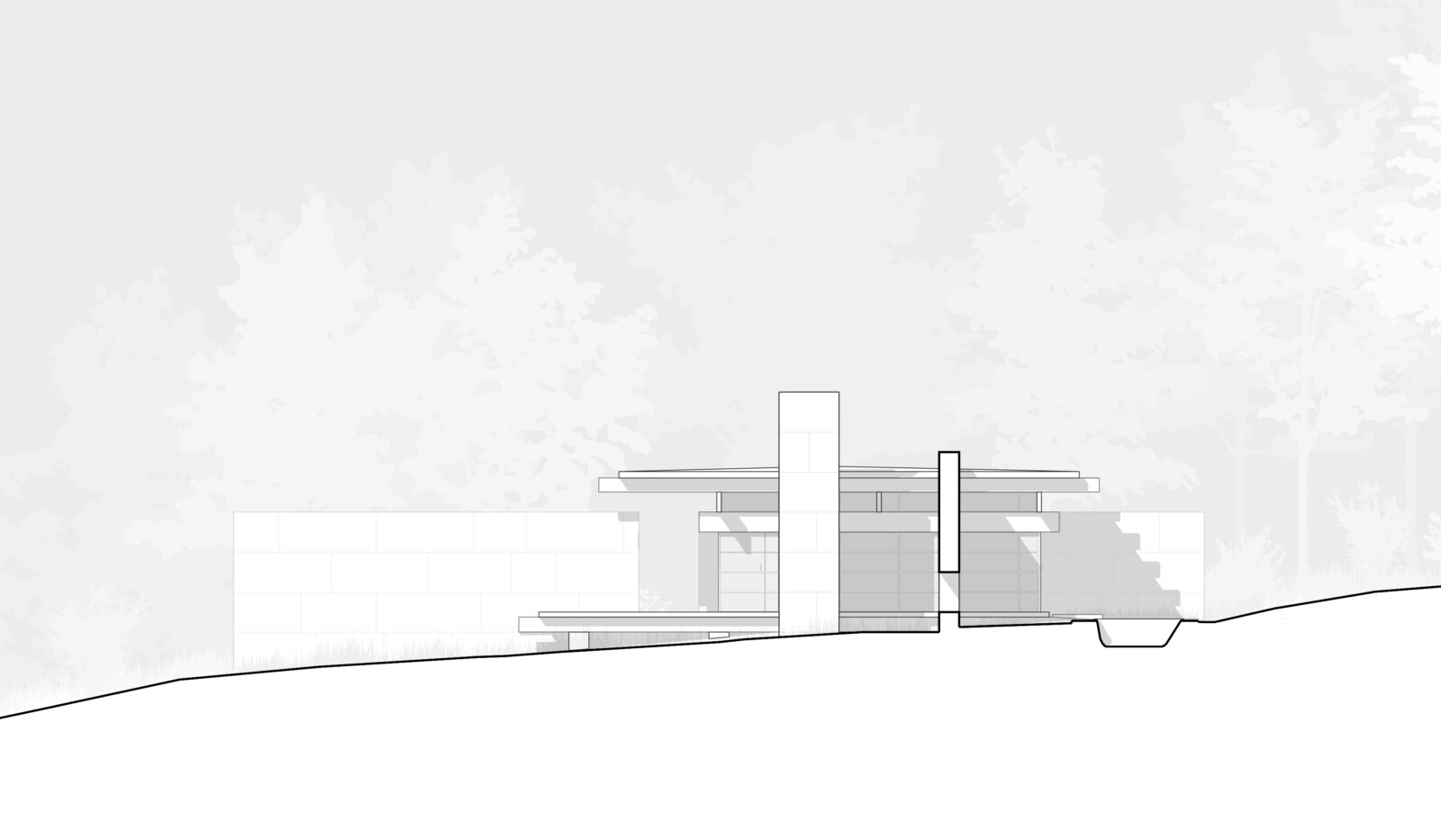
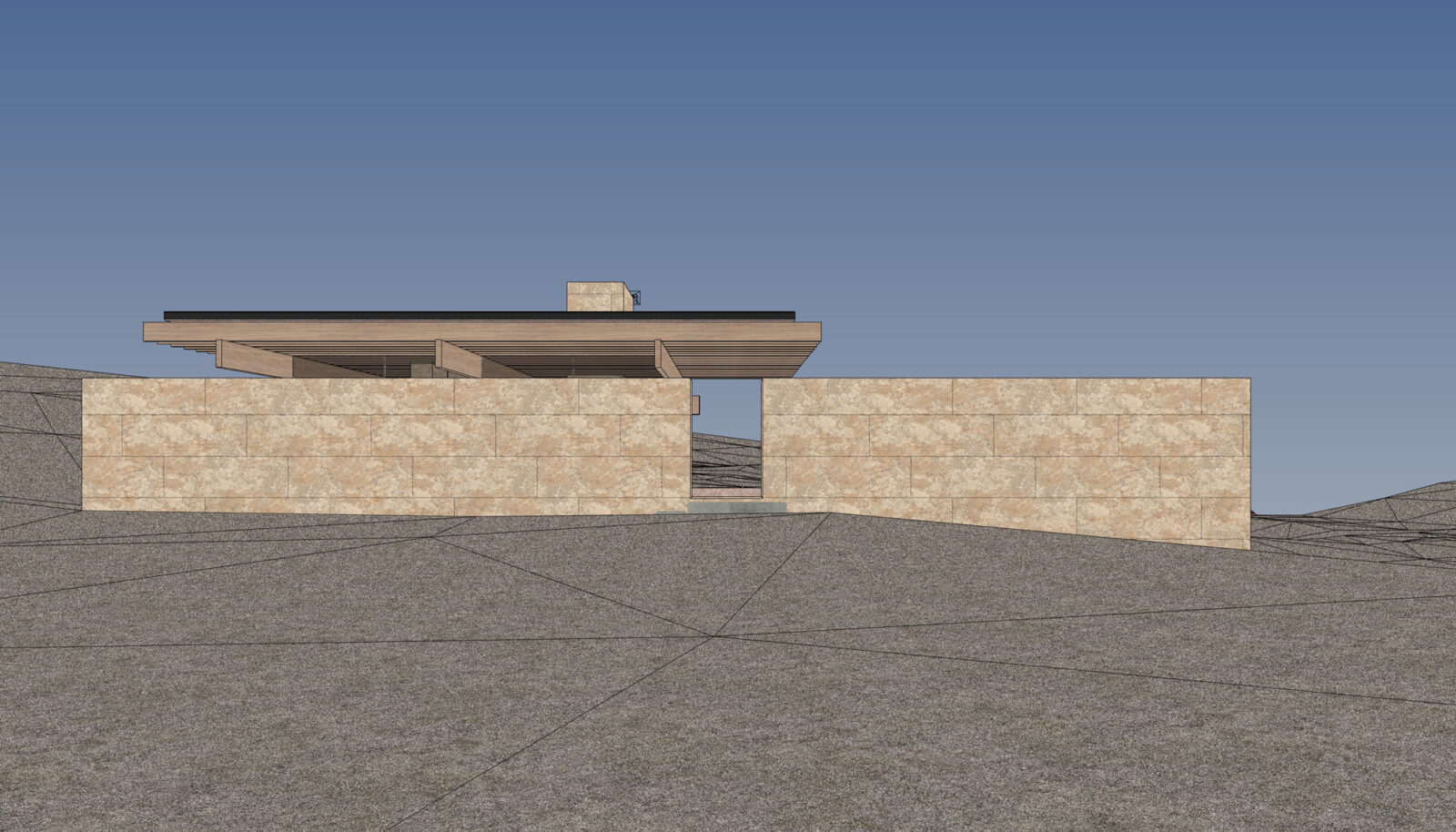
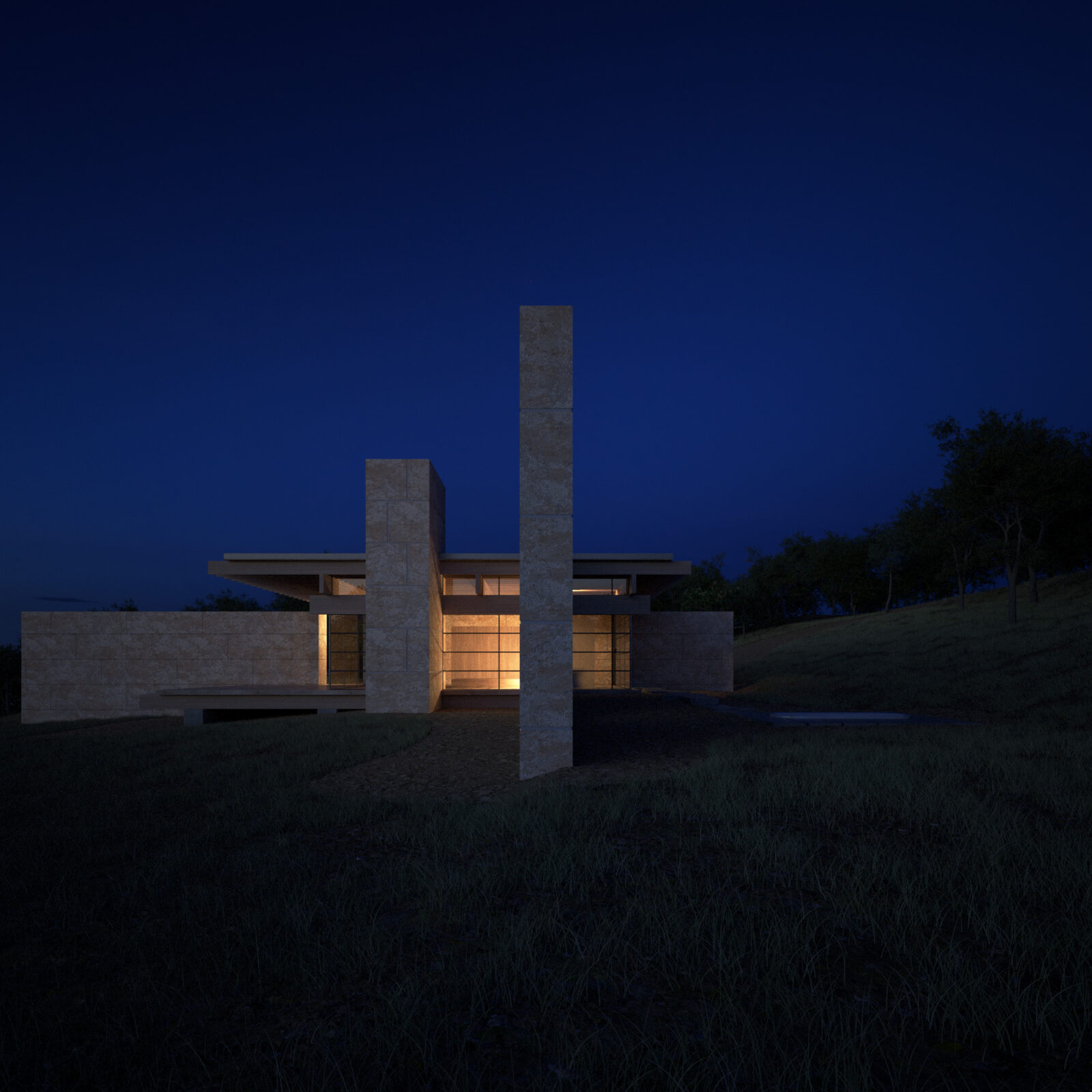
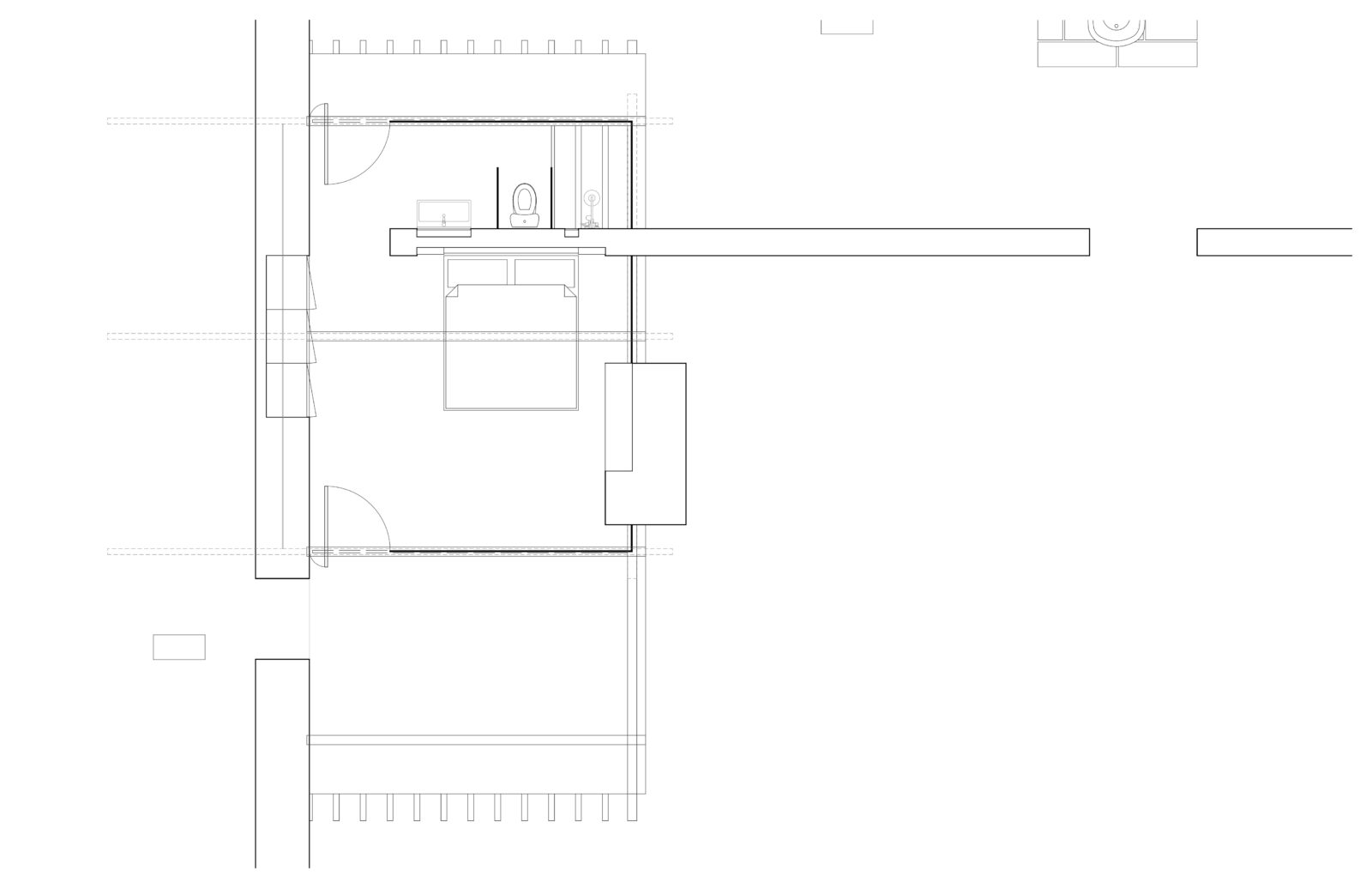
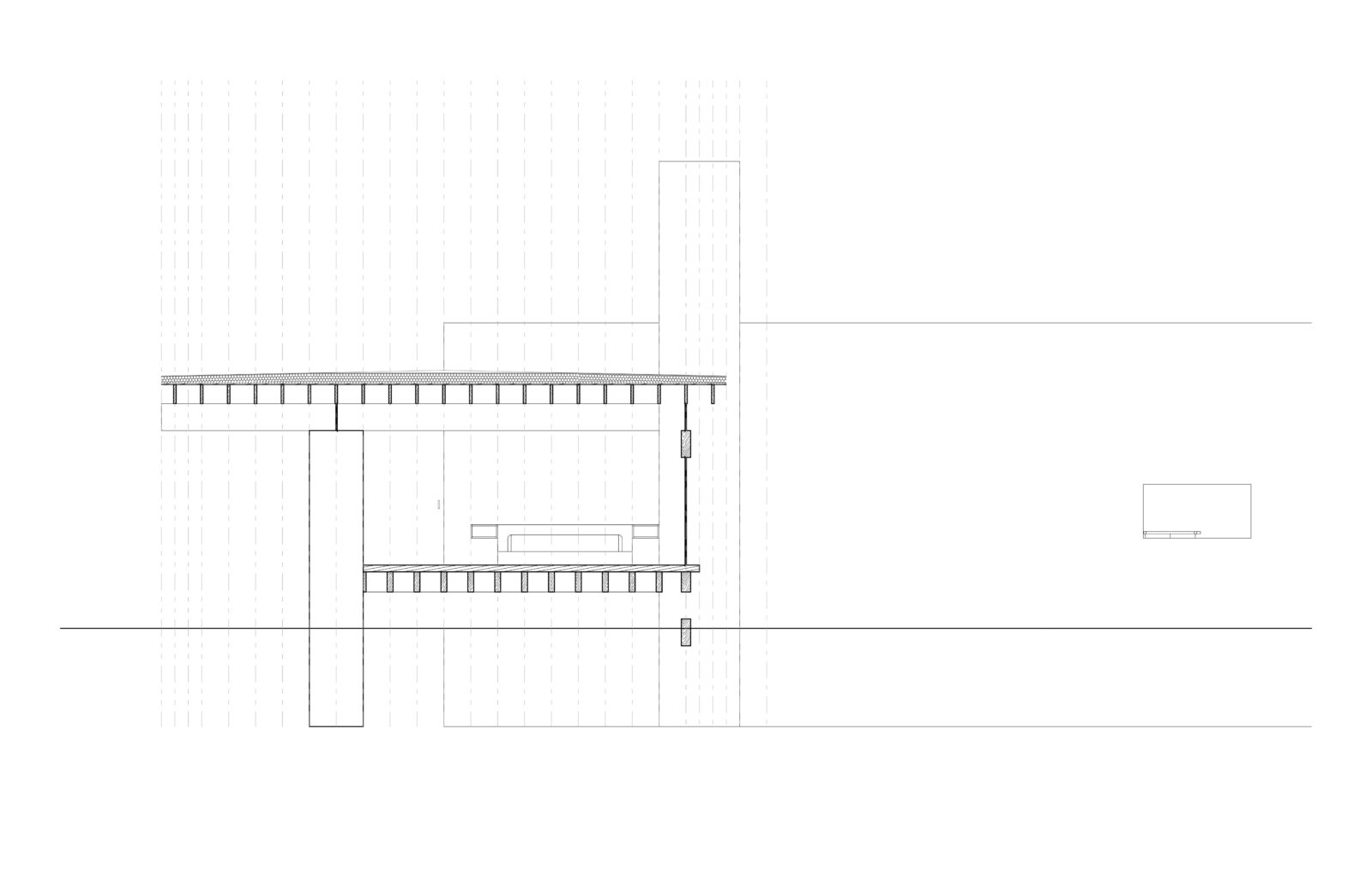
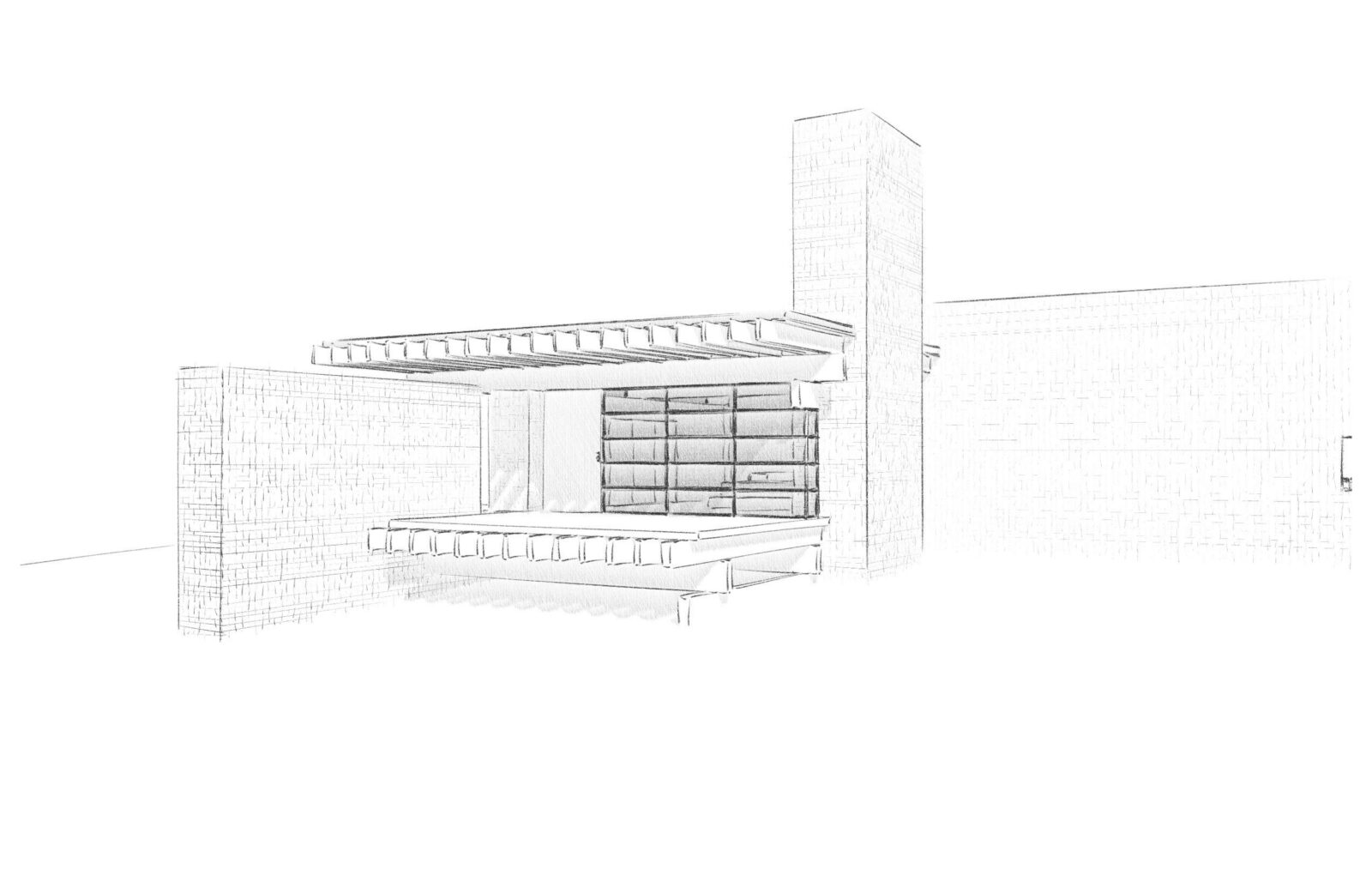
Stepping through the stone wall portal marks a threshold from city life to the quiet rhythms of the Texas Hill Country. The cabin’s warm wood interiors and expansive glazing open to the surrounding oaks and sky. In the mornings, the southeast-facing bath welcomes the first light; in the evenings, the southwest-facing bedroom frames sunsets and starlit skies. Elevated on a gentle slope, the design balances privacy and openness, offering a serene refuge deeply connected to its landscape.
Location
Albert, Texas
Design Team
Kevin Barden and Joe Rivers
Renderings
Alex Warr
Typology
Residential
Date
2018




Process
Explore
Memorial Townhome Renovation
Houston, Texas
Residential
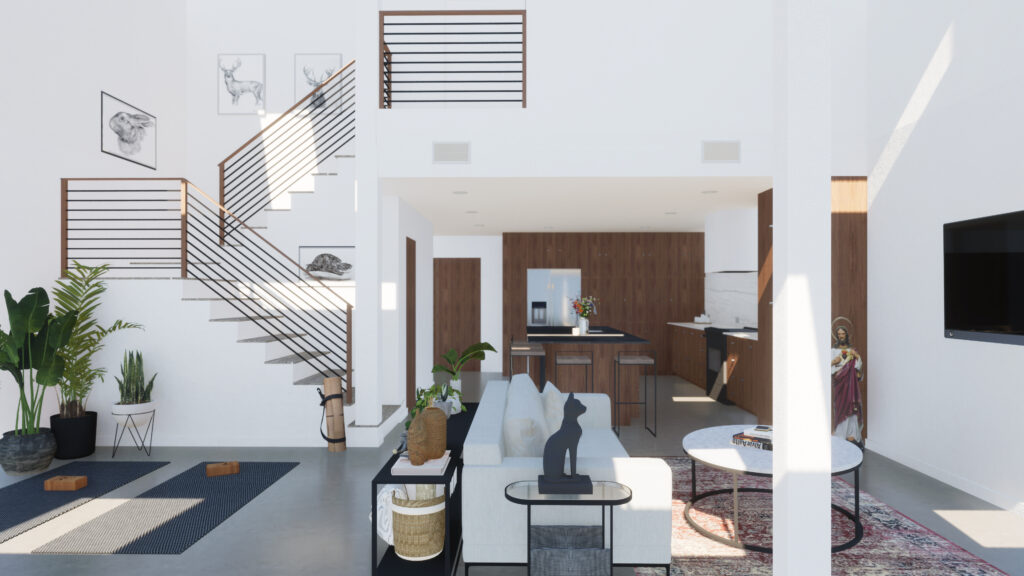
Just steps from Memorial Park, this complete townhome renovation transforms a compartmentalized layout into an airy, light-filled sanctuary. Walls and columns were removed to create open sightlines and fluid movement, reflecting the client’s identity and lifestyle. Multiple skylights wash the double-height living space in daylight, shifting like an internal sundial and connecting inhabitants to the rhythms of time and season.

Minh Nguyen
Business Owner & Restauranteur
Food and Beverage
In this episode our resident architects Joe Rivers and Kevin Barden visit with Minh Nguyen, the friendly figure behind Cafe TH in Houston, Texas.

The Merit of the Mud Room
Joe Rivers
Writing
Houston, a city molded by the oil and gas industry, is a place of energy, innovation, and, at times, a little dirt. As architects who live within this soiled city, we understand the unique challenges posed by the grit and grime of our surroundings. For this reason, we propose an often underestimated yet invaluable component of home design – the extra-large mud room. Serving as more than just a transitional space, a well-designed mud room offers a multitude of benefits that contribute to the organization, hygiene, and overall well-being of a home here in Houston.