Walnut Springs Guest House
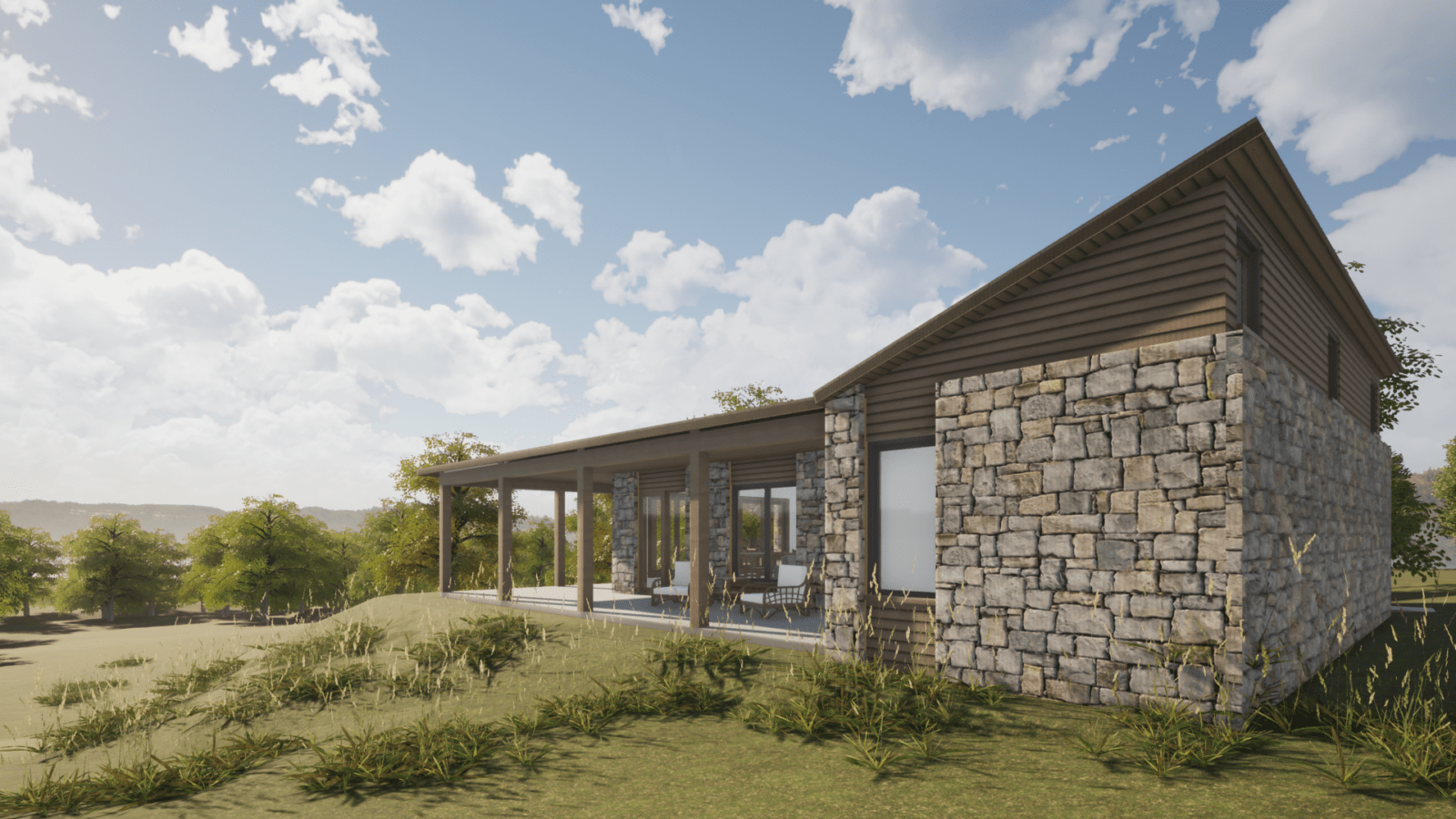
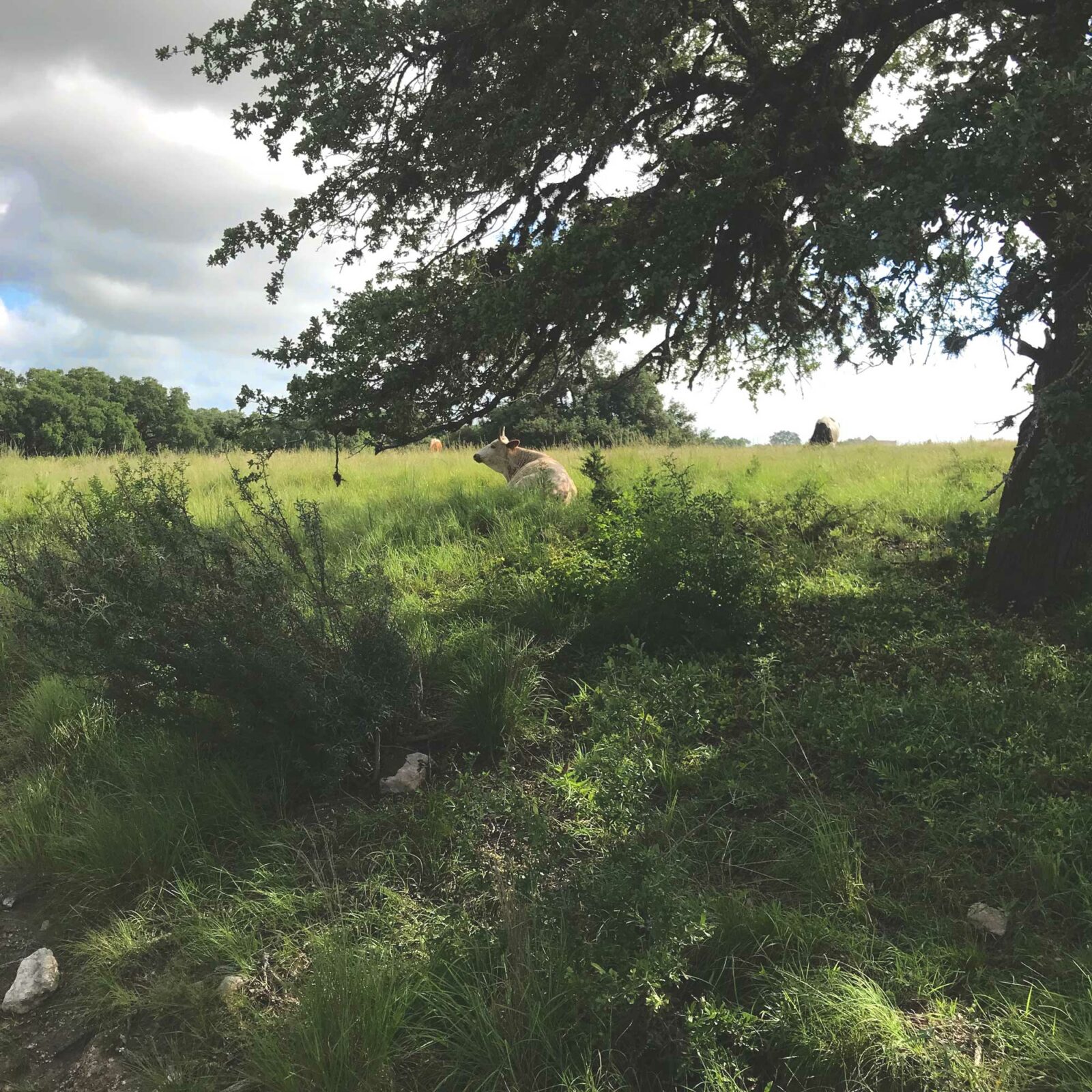
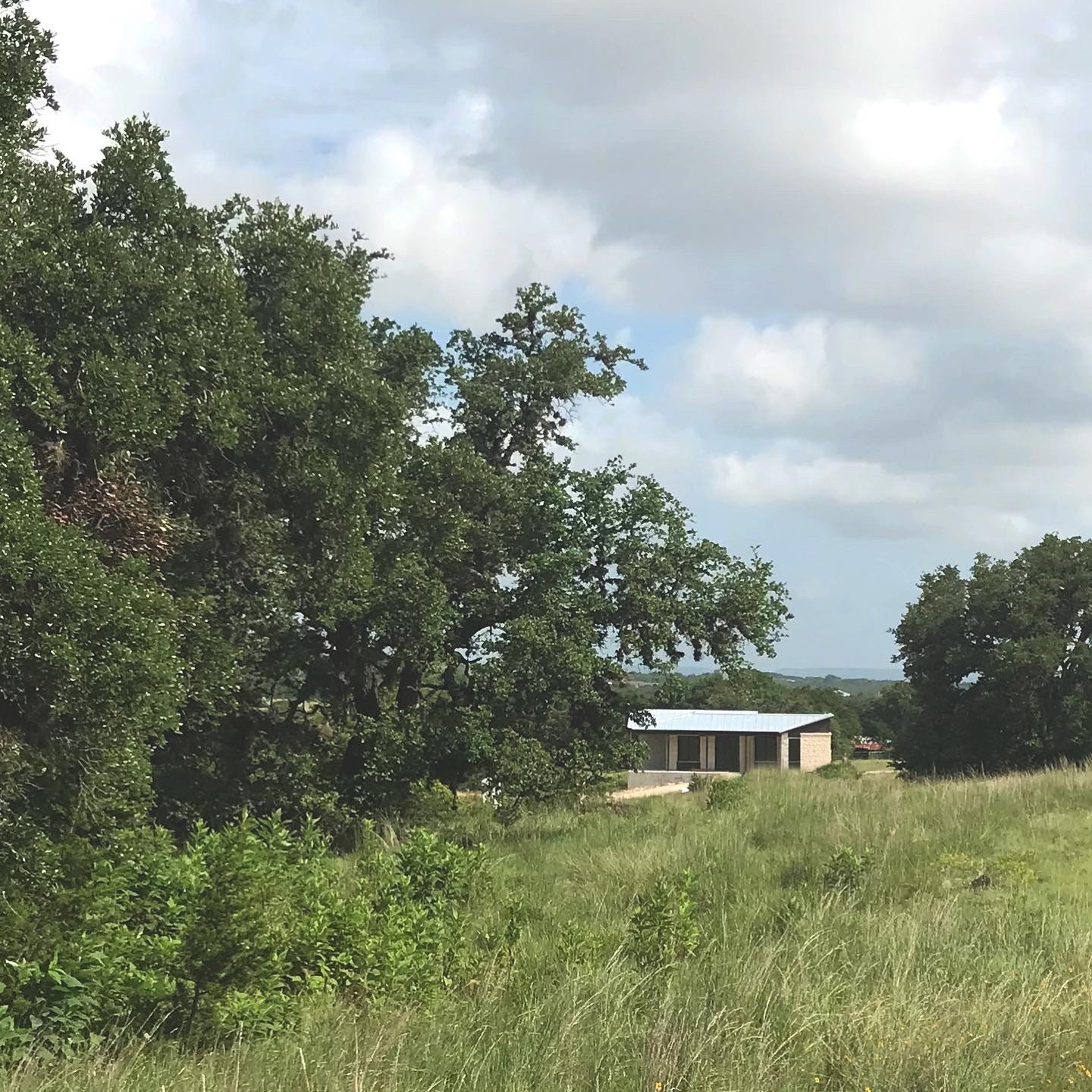
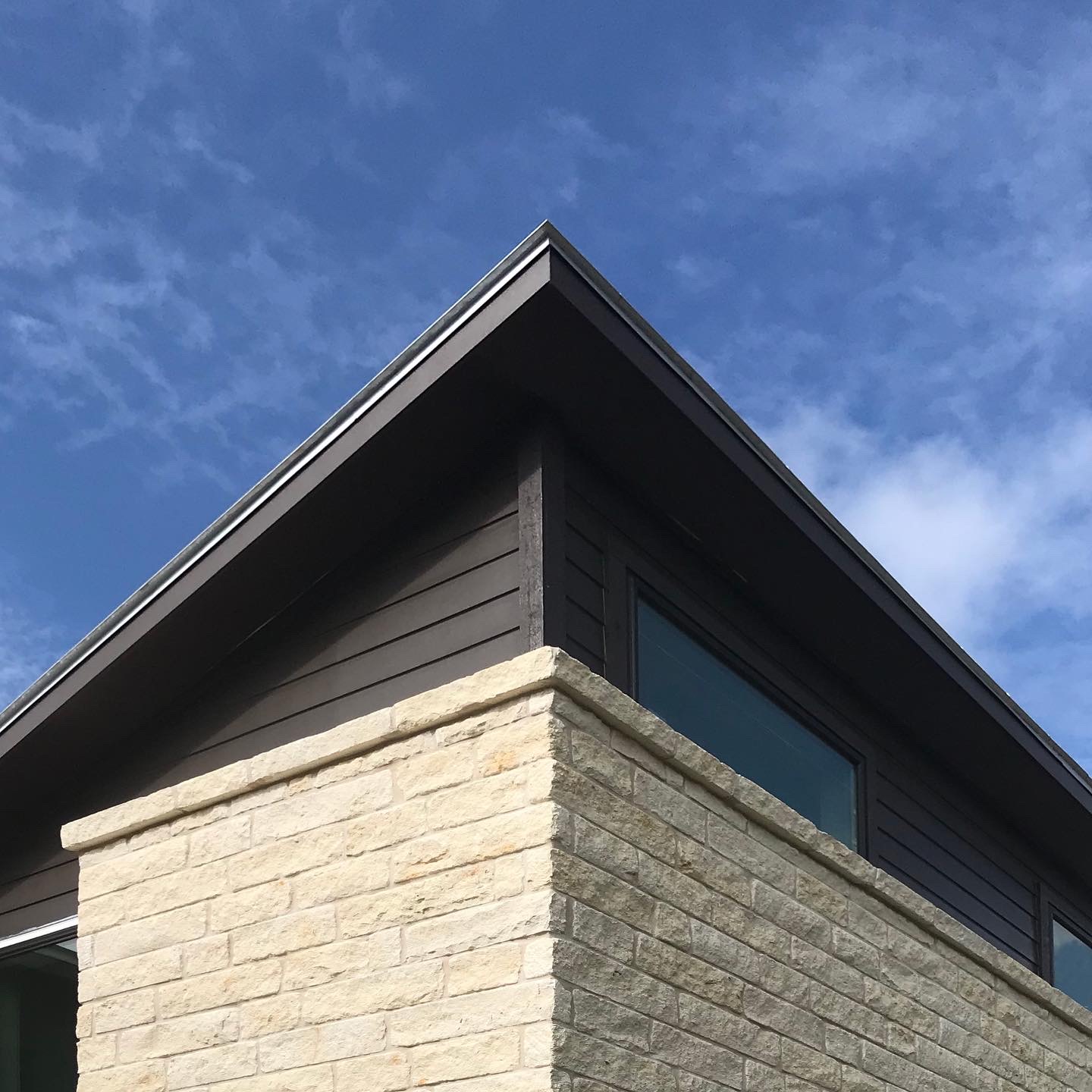
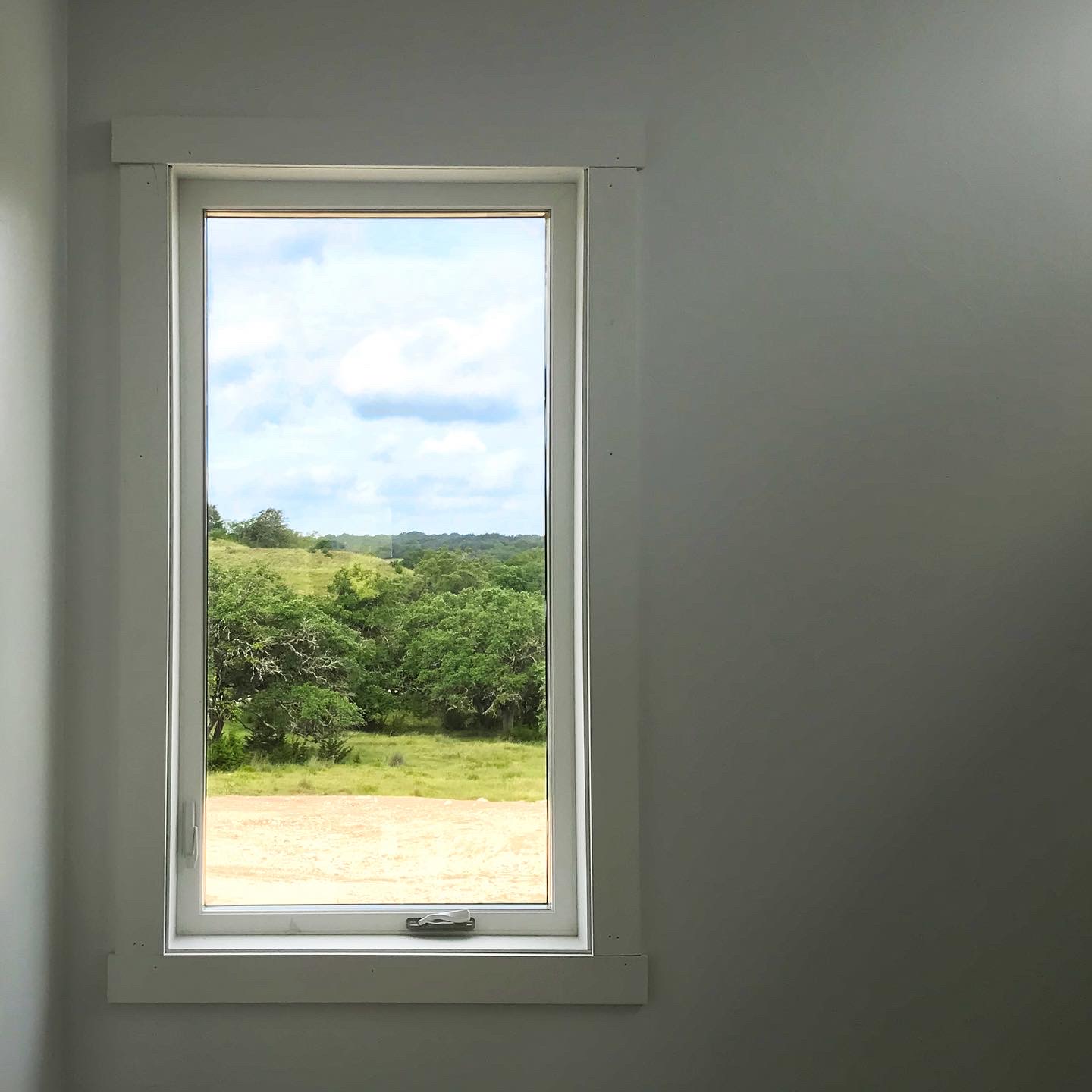
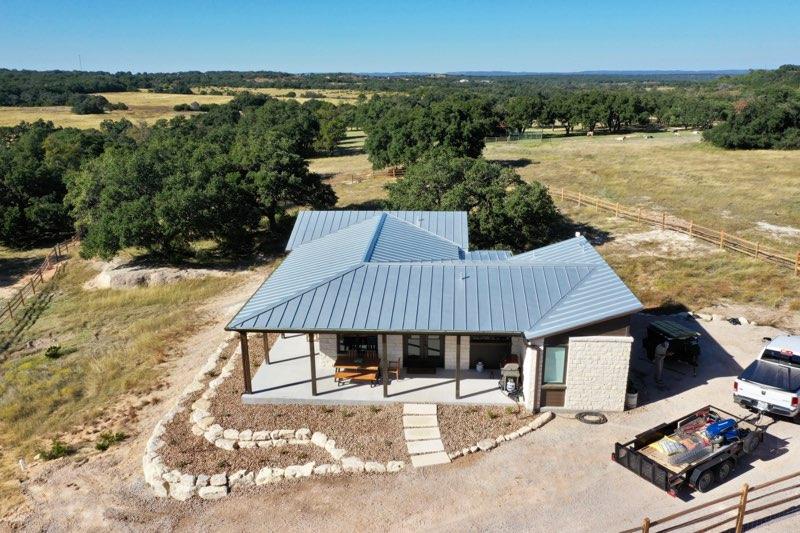
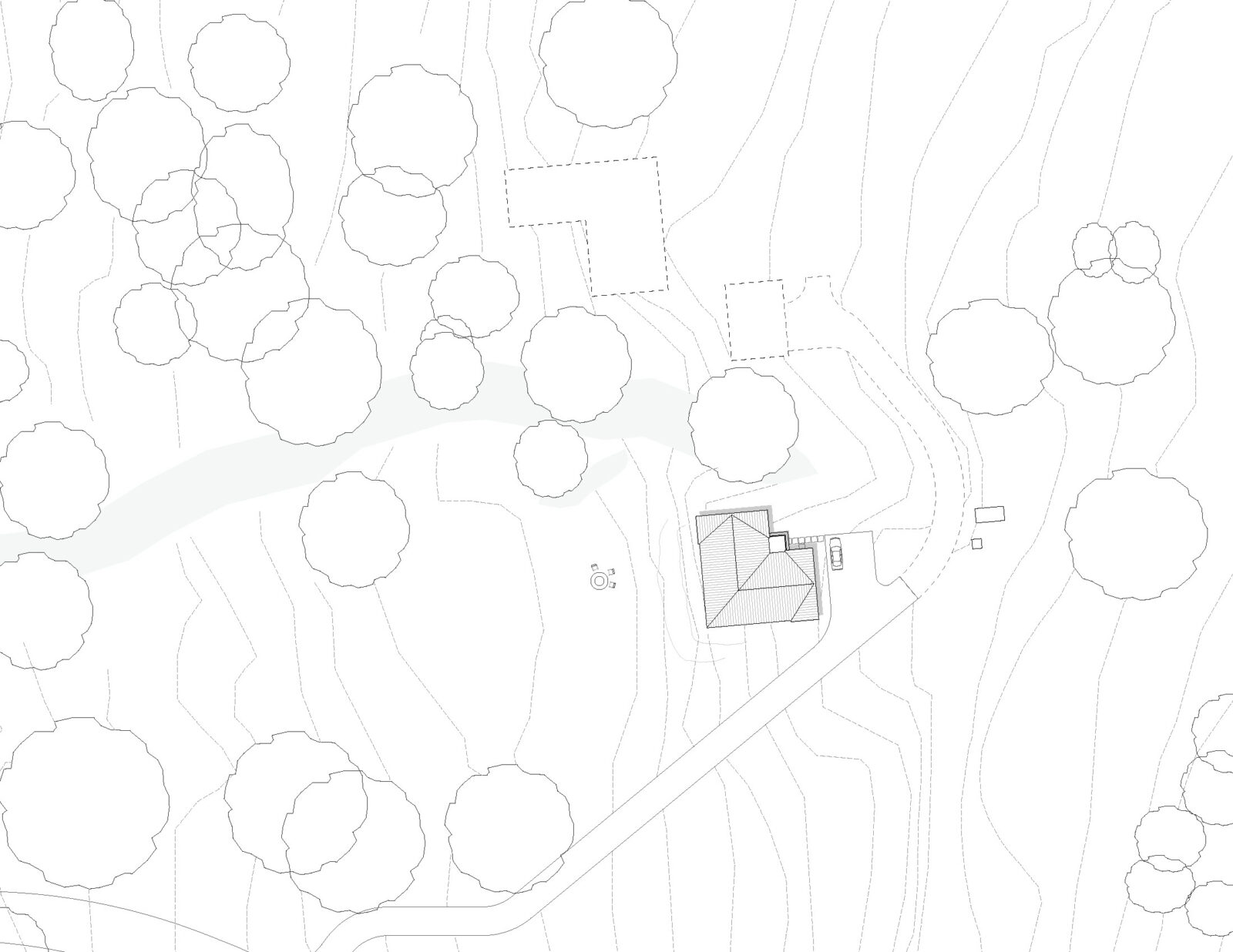
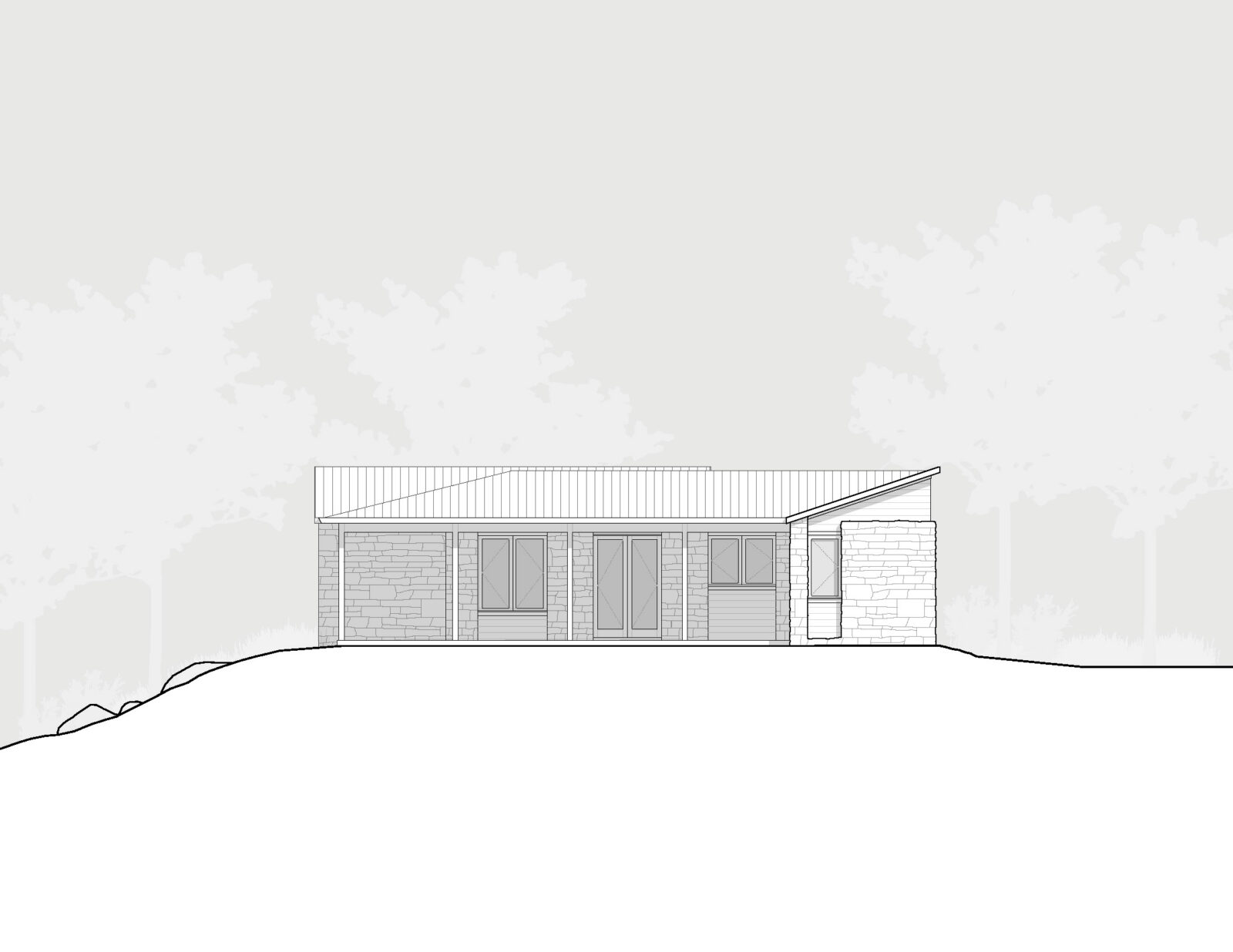
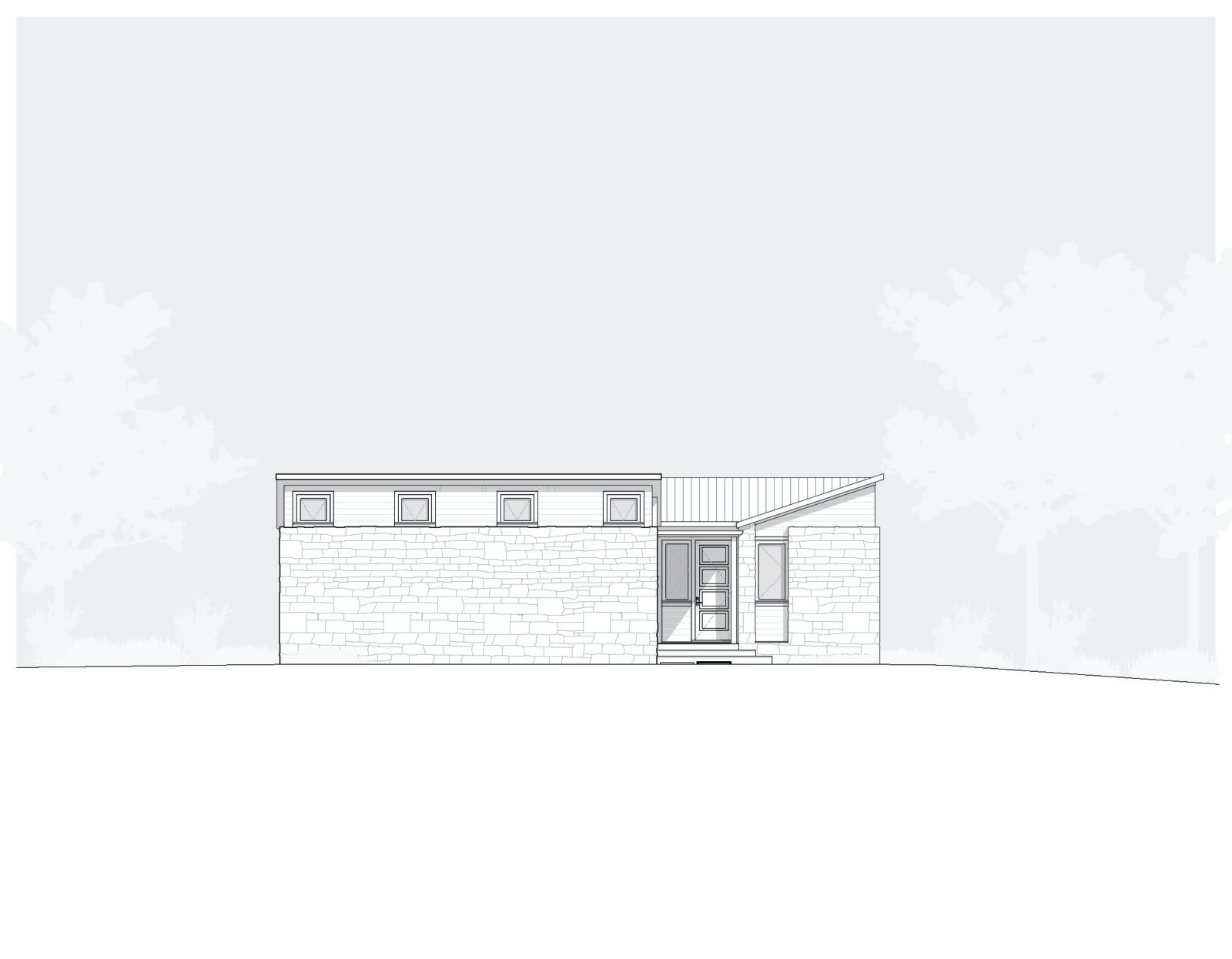
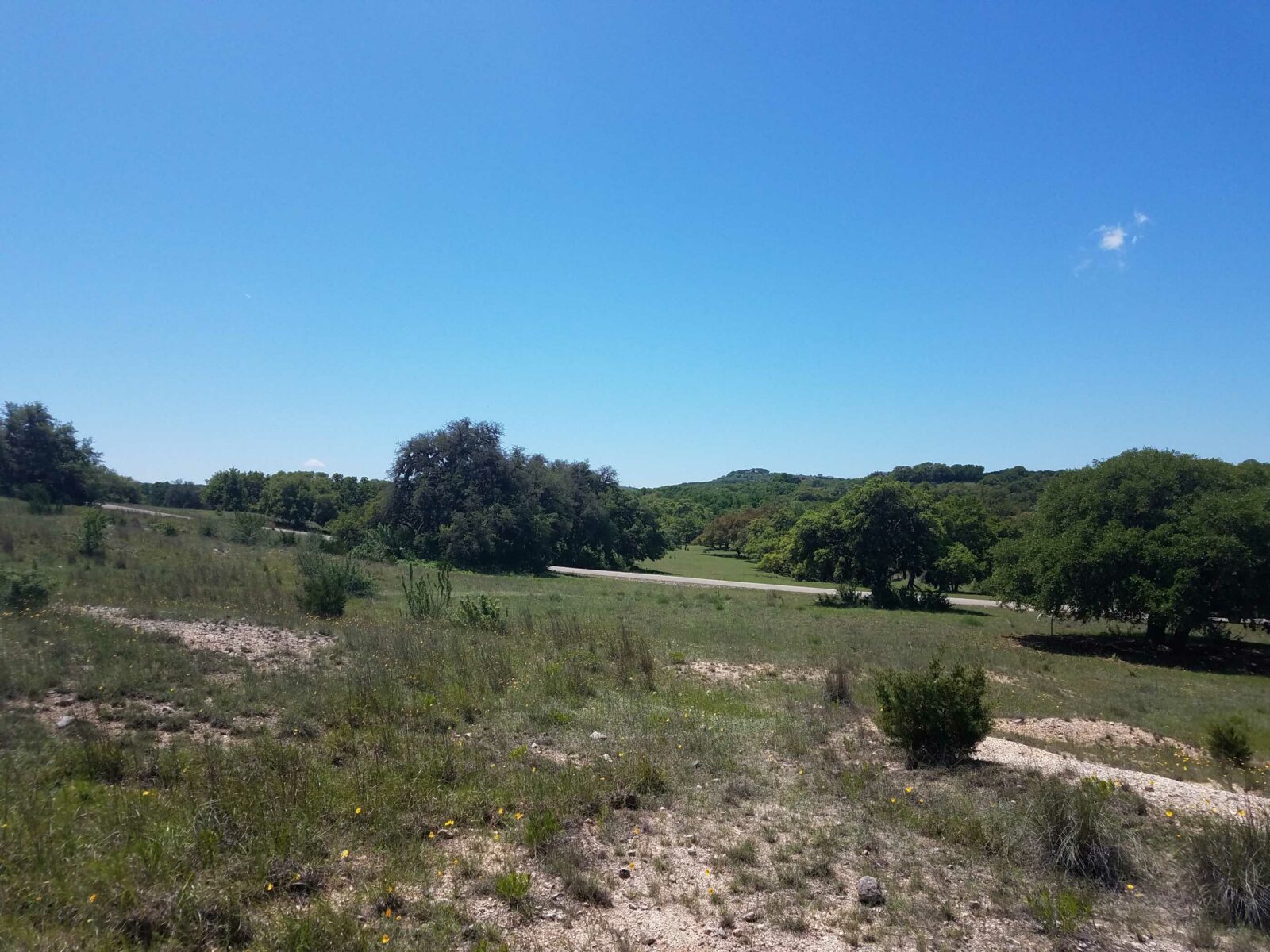
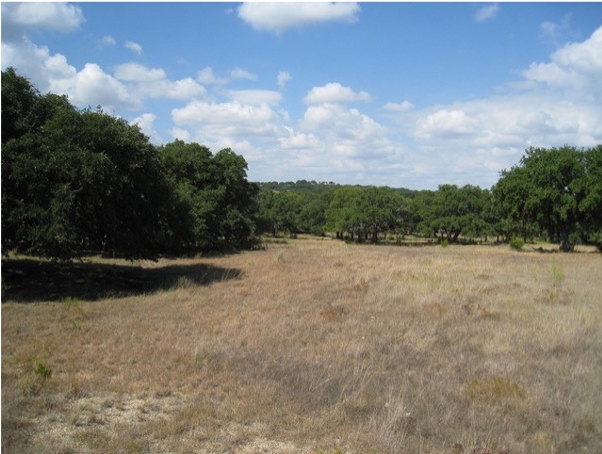
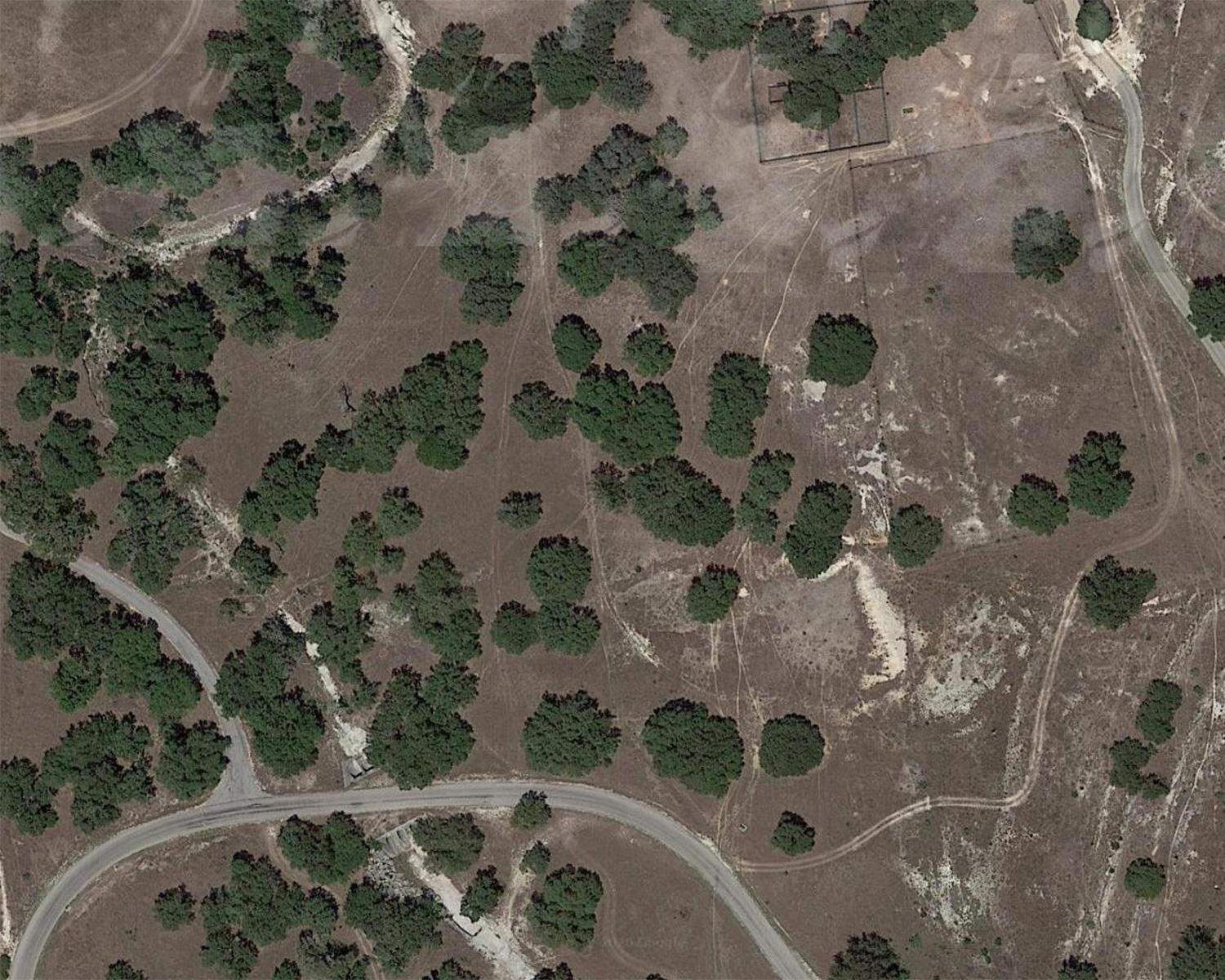
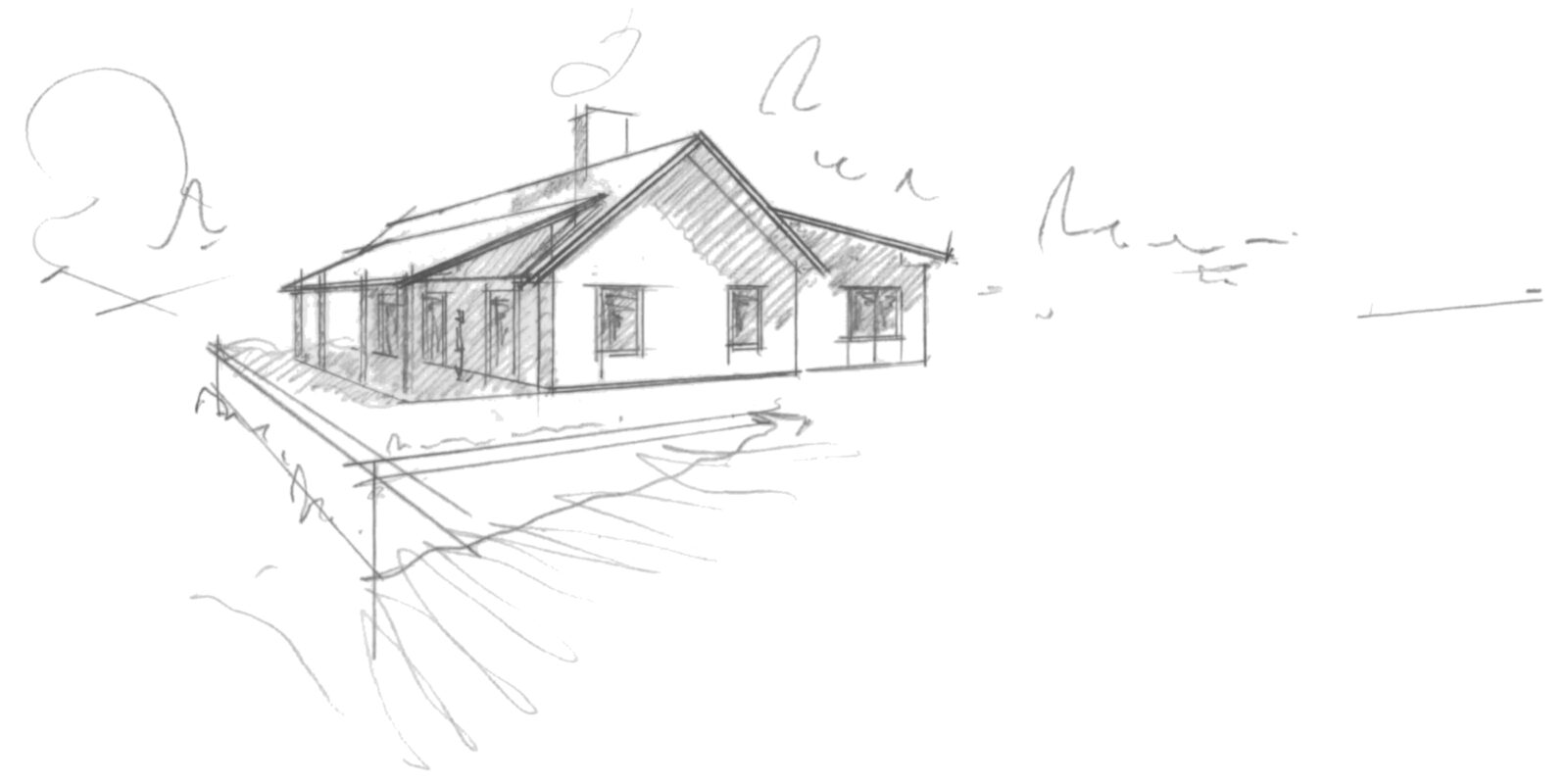
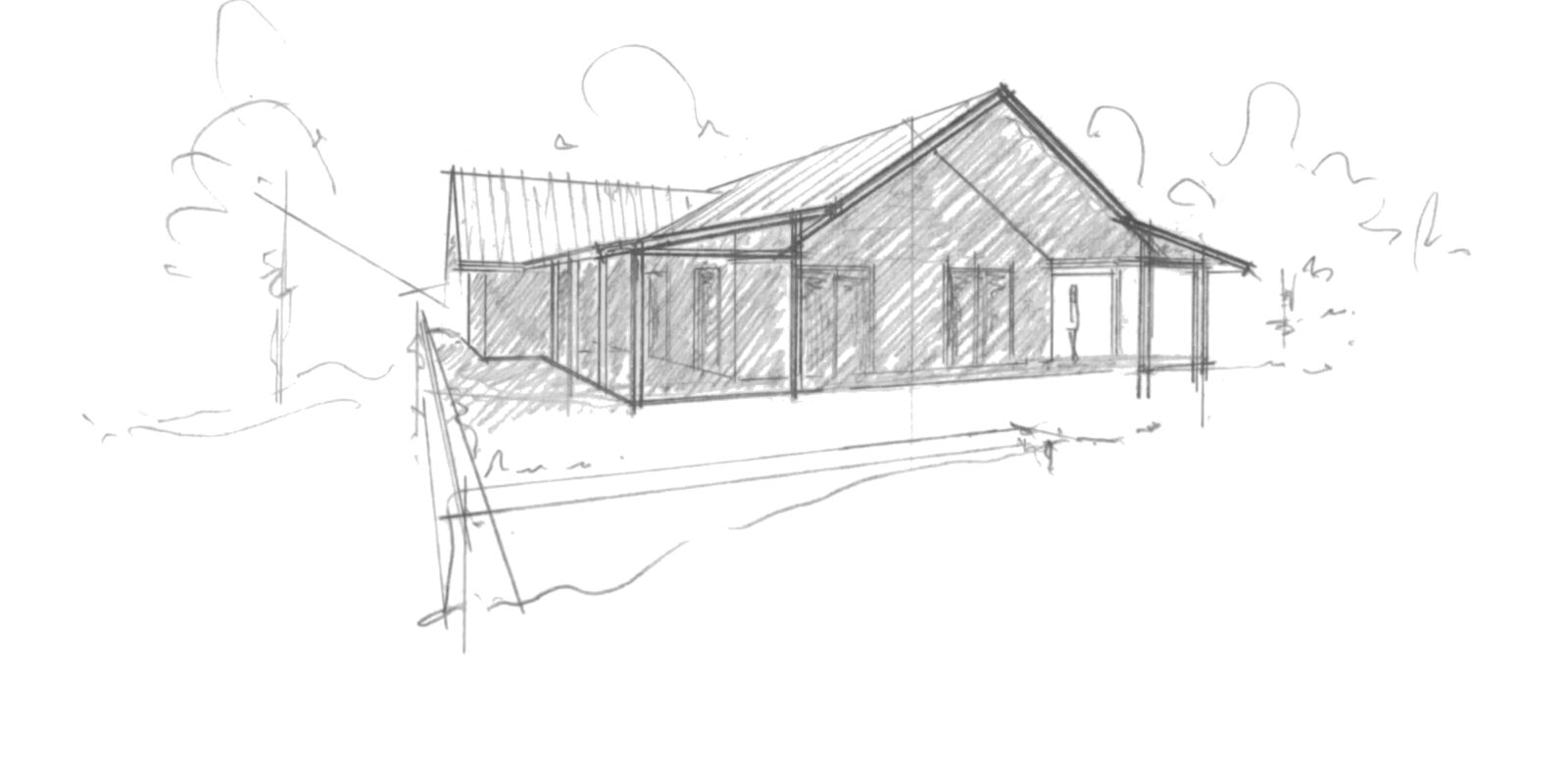
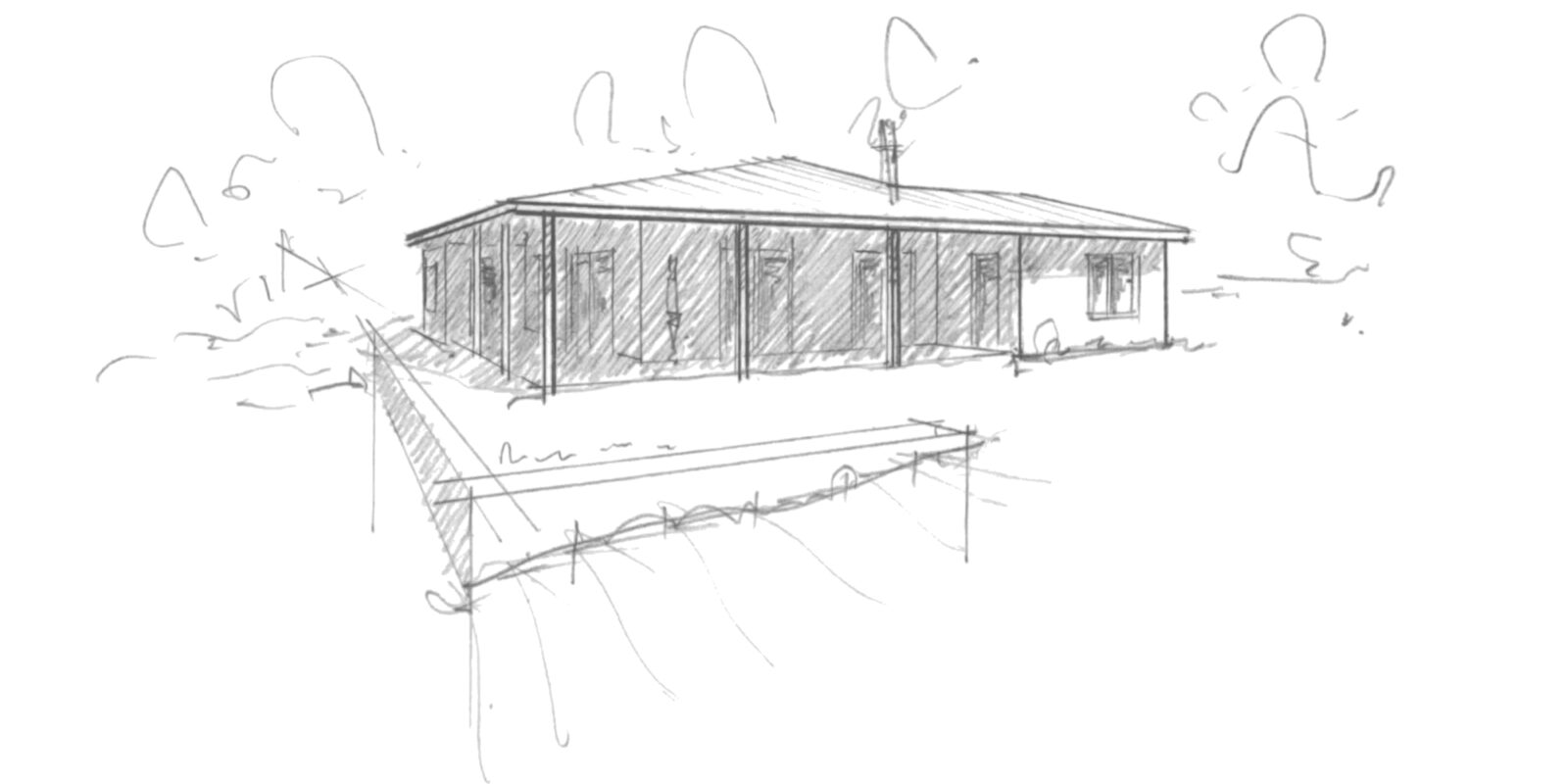
Perched on a rocky rise in the Texas Hill Country, the Walnut Springs Guest House offers a nature-immersed retreat for a city family. Two hand-crafted stone volumes anchor the home, framing shaded porches and a generous central gathering space while sheltering private rooms. The butterfly and hipped roofs channel breezes, capture shifting sunlight, and direct views to the surrounding oaks and hills. Blending rugged materials with refined detailing, the design creates a warm, inviting getaway that celebrates the rhythms of the land.
Location
Johnson City, Texas
Design Team
Joe Rivers and Kevin Barden
Typology
Residential
Date
2019-2021
Structural Engineer
Hill Country Structural
General Contractor
Phillips & Phillips Design Build
Process
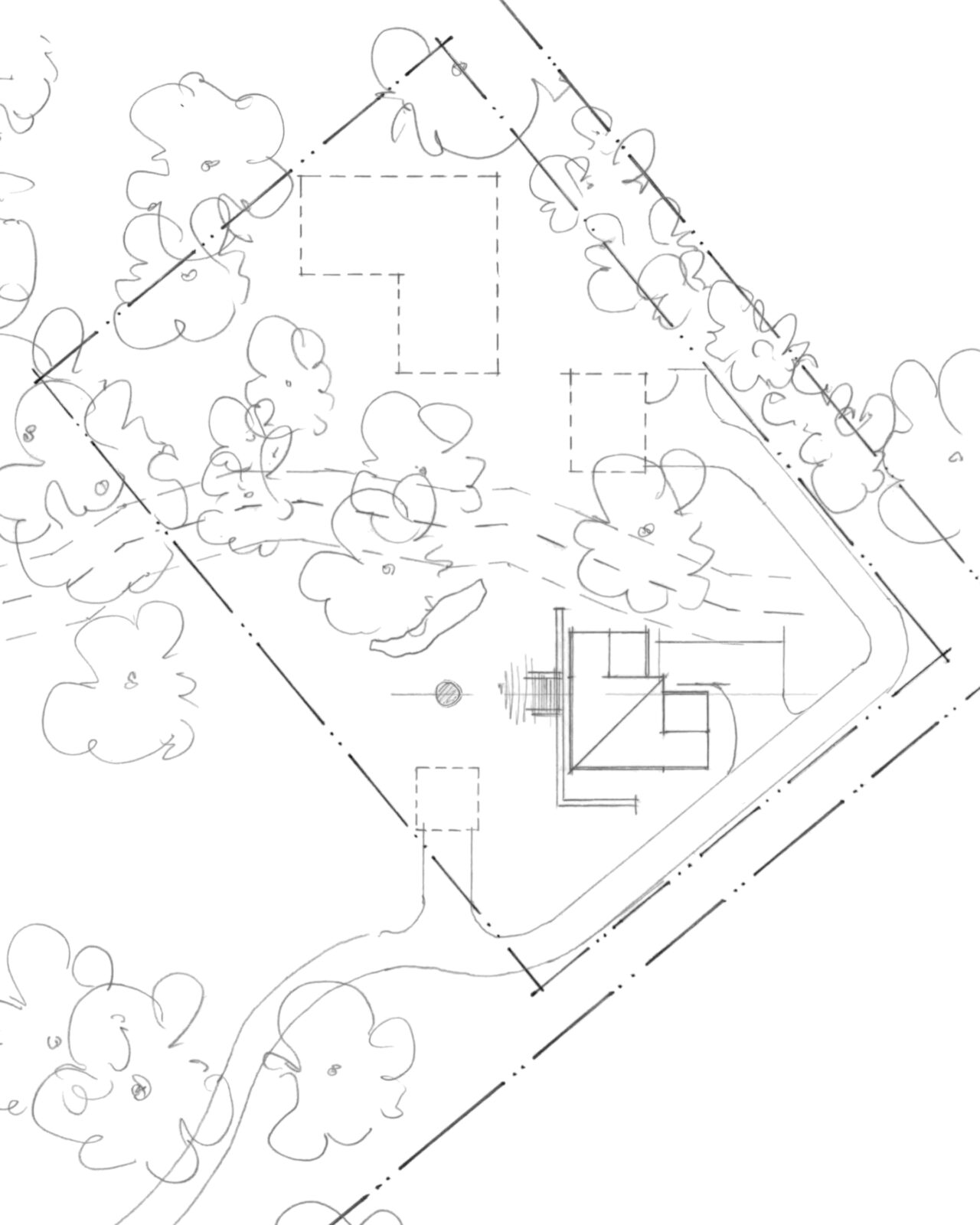
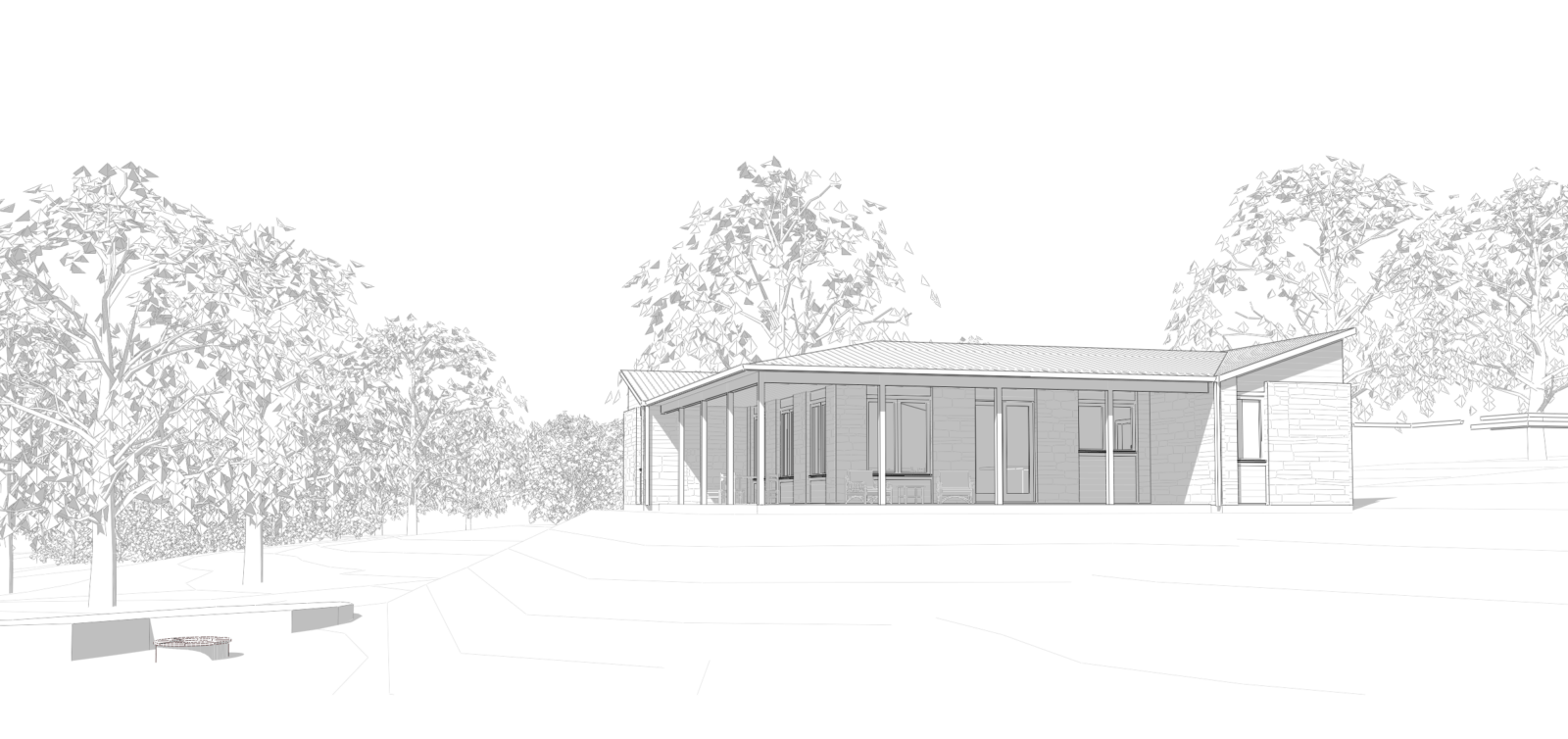
Explore
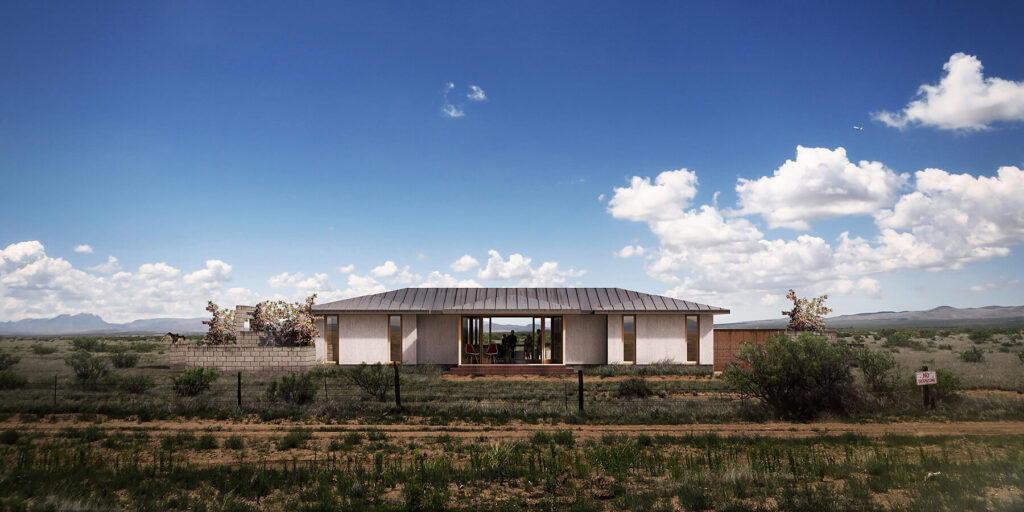
West Texas Retreat
Alpine, Texas
Residential
Set against the rugged backdrop of West Texas, this renovation transforms a simple home into a serene retreat immersed in mountain and sky. Expansive glazing captures shifting light and distant peaks, while covered outdoor spaces invite connection to the land’s quiet rhythms.

Josh Ryan
Designer, Illustrator and Absurdist
Art and Design
Josh Ryan is a designer and illustrator who specializes in bringing people together with quirky and humorous works. Joe and Kevin sat down with Josh to discuss his artistic development, one of his biggest successes, and the intersections of comedy and art.
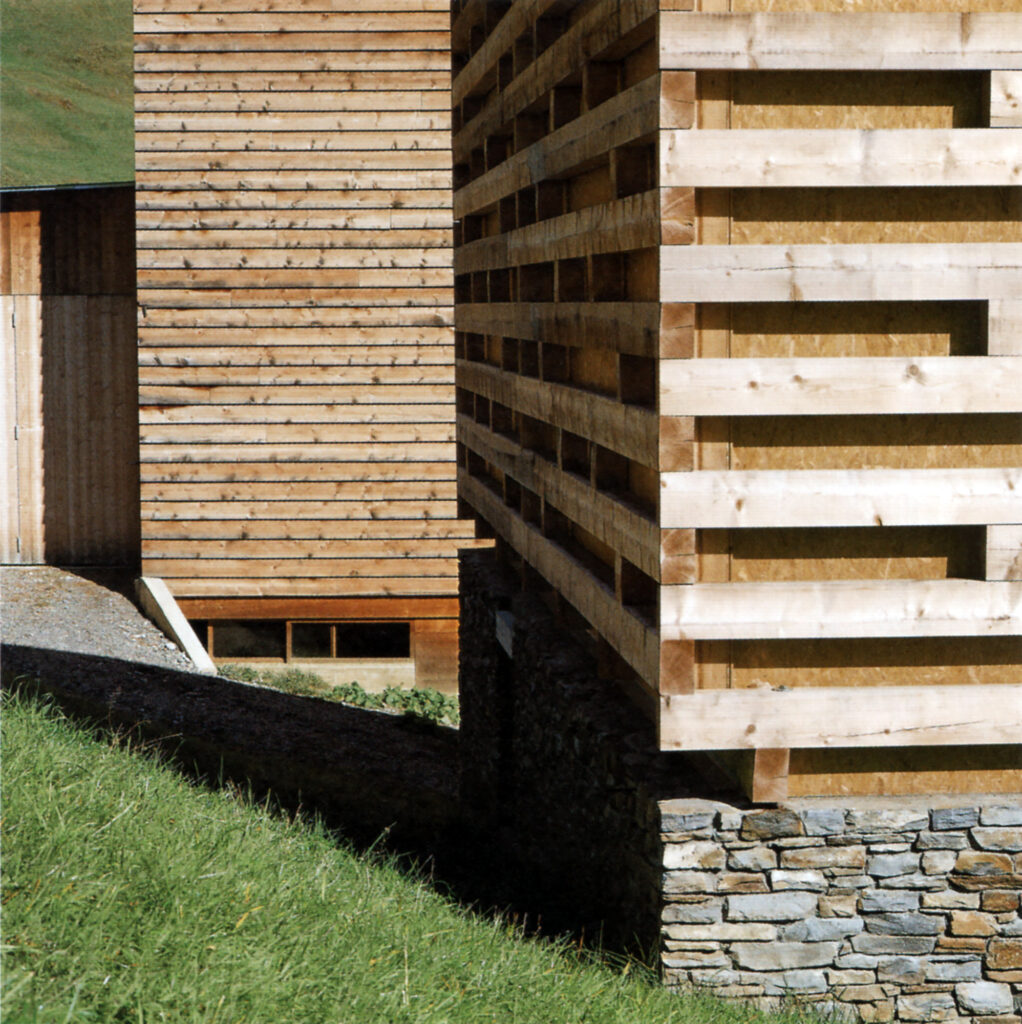
Naturally, Wood (Selbstverständlich Holz)
Translation: Kevin Barden
Writing
In 1995, the Swiss architect Gion Caminada and structural engineer Jürg Conzett wrote a short essay for the magazine Archithese about the (then) new and continued building practices using wood in a small remote village called Vrin.