Skip to content

Reid Kennedy

Music and Performance

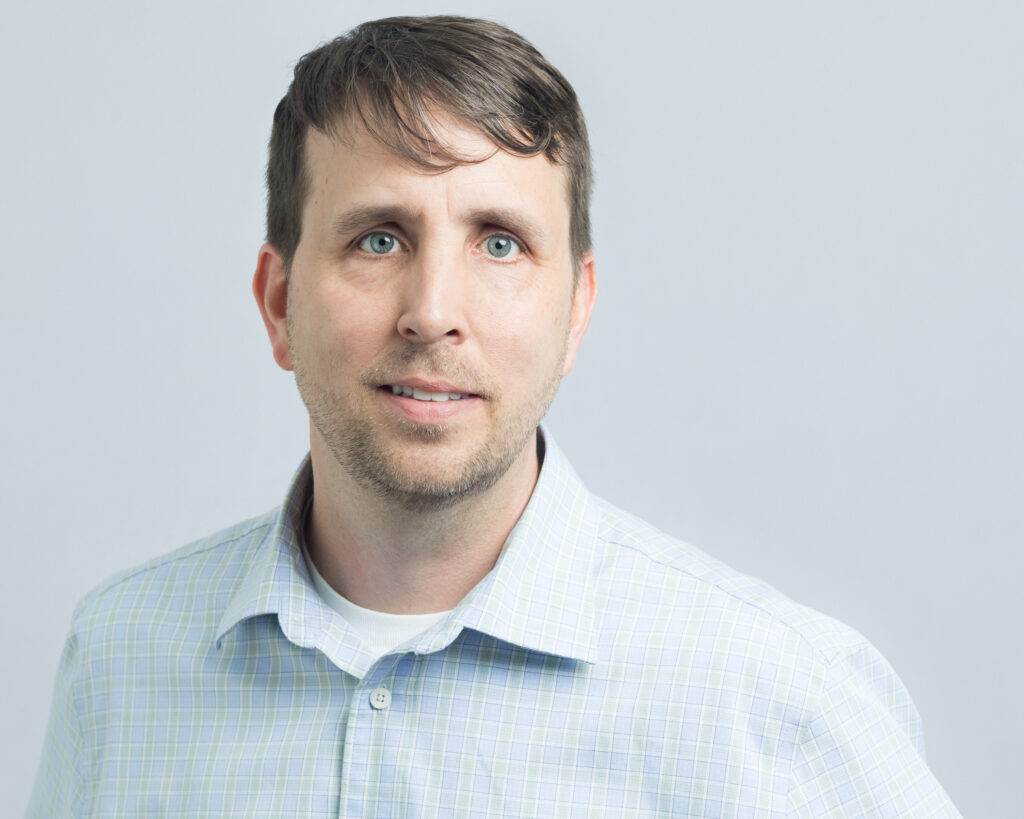
In this episode our resident architects Joe Rivers and Kevin Barden visit with Reid Kennedy, a drummer and composer from St. Paul, Minnesota. Reid Kennedy is a percussionist and pass drummer from St. Paul, Minnesota and a standout example of the modern working musician. In addition to being a top-call drummer in the Twin Cities, Reid teaches percussion and music theory at McNally Smith College of Music in downtown St. Paul. He composes, performs, records, and produces his own music in groups such as the Reid Kennedy Jazz Trio and Big Villain, and is the co-founder of the neo soul modern jazz darlings of Minneapolis, Nooky Jones. Joe and Kevin talk with Reid about his path to becoming a full-time musician, having passion for creating, and the ins and outs of collaboration.

Explore

Gulf Coast Beach House

Set along the Gulf Coast shoreline, this beach house embraces coastal living with expansive decks, open interiors, and uninterrupted ocean views. Light-filled rooms flow seamlessly to generous outdoor spaces, inviting breezes and sunlight into daily life. A soft, natural palette and durable coastal materials create a relaxed yet refined retreat, perfect for both quiet mornings and lively gatherings by the water.

Marcus Martinez

Art and Design

Marcus Martinez is a Houston-based Illustrator whose work has reached beyond architecture into diverse areas such as design, medical technology, and urbanism. Joe and Kevin sat down with Marcus to discuss his early influences and experiences in architecture and design, his sketching process, and what excites him about his work as an illustrator.

The Elegance of Elevation

Writing

While the economic appeal of slab-on-grade construction may be tempting for developers and builders, the long-term benefits of elevated foundations far outweigh the initial cost considerations for homeowners. In this exploration, we will delve into the significance of raised foundations in the context of Houston and the Gulf Coast, unraveling the advantages and acknowledging the challenges that come with this architectural choice.